


More news on this day
Newly posted federal data show that two cruise ships sailing in Southeast Alaska experienced norovirus outbreaks in June, affecting dozens of passengers and crew at the height of the state’s short but busy summer cruise season.
Get the latest news straight to your inbox!
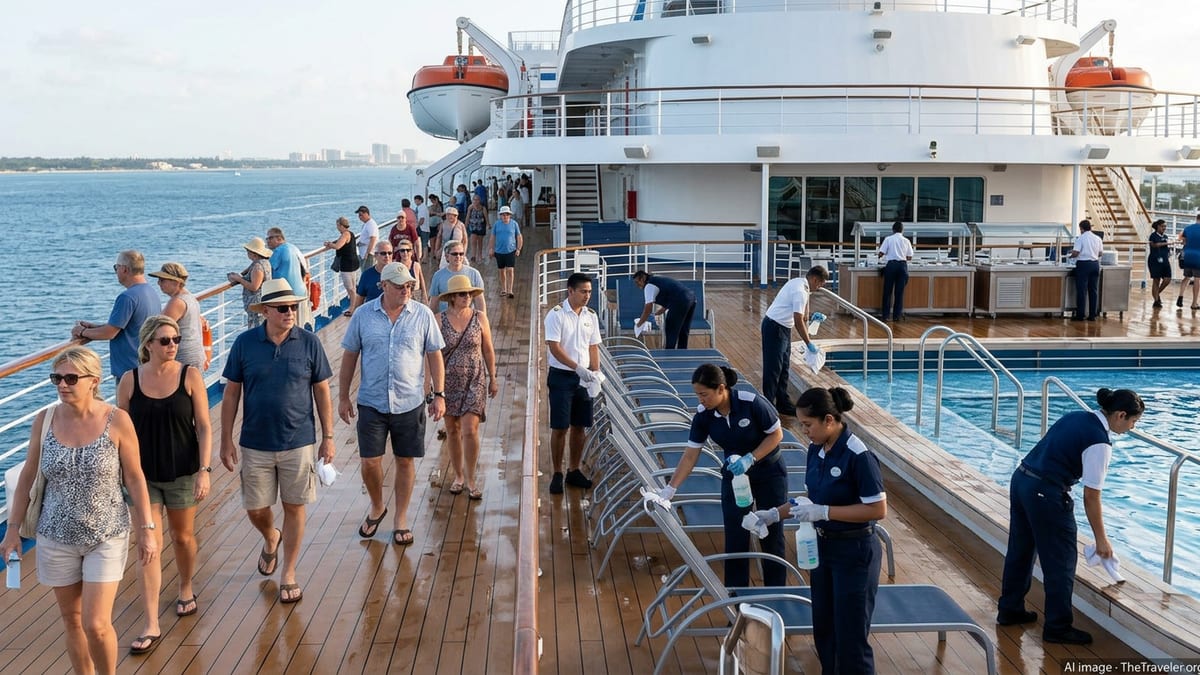
Two separate vessels flagged in CDC outbreak summaries
Publicly available information from the Centers for Disease Control and Prevention’s Vessel Sanitation Program indicates that both outbreaks met the federal threshold for public notification, which applies to cruise ships carrying 100 or more passengers on itineraries that include at least one United States port. In each case, the agency recorded elevated levels of gastrointestinal illness consistent with norovirus among people on board.
One incident involved the National Geographic Sea Bird, a small expedition vessel that operates nature-focused cruises in Southeast Alaska. CDC summaries and subsequent coverage report that during a late June voyage in the region, approximately 20 of the 95 people on board, including passengers and crew, experienced gastrointestinal symptoms that laboratory testing associated with norovirus.
A second June outbreak in Southeast Alaska was also recorded on the CDC’s outbreak list, reflecting similar gastrointestinal illness patterns tied to norovirus on another cruise ship transiting the Inside Passage. Together, the two alerts underscore how quickly the virus can spread in the close quarters and shared dining spaces typical of cruise travel, even on comparatively small ships.
Norovirus is a leading cause of acute gastroenteritis worldwide and is frequently linked to outbreaks on cruise ships because of the combination of dense populations, self-service buffets, and high-touch public areas. While most people recover within a few days, the illness can be more serious for older adults and those with underlying health conditions.
Details of the National Geographic Sea Bird cases
According to outbreak data and regional news coverage, the June norovirus incident on the National Geographic Sea Bird followed an earlier gastrointestinal outbreak on the same vessel that concluded at the end of May. In the June sailing, the CDC recorded that roughly one in five passengers reported symptoms such as vomiting and diarrhea during a voyage that ended June 30 in Southeast Alaska.
Both the May and June illness events involved relatively small numbers of people compared with large ocean-going cruise liners, but the back-to-back outbreaks on the same vessel drew attention because they occurred only weeks apart along similar Alaska itineraries. Reports indicate that investigators linked the June cluster to norovirus based on stool testing, which confirmed the pathogen as the likely source of the gastrointestinal illness.
CDC outbreak updates note that the agency’s role in such situations focuses on monitoring, data collection, and providing technical guidance on sanitation and disease control, while the cruise operator is responsible for implementing immediate response measures. In the Sea Bird cases, publicly reported information indicates that the company increased cleaning and disinfection on board, modified food service practices, and communicated prevention steps to guests and crew.
Norovirus can remain on surfaces for extended periods and is resistant to some common cleaning products, which makes thorough sanitation and correct disinfectant use especially important after an outbreak. Even after visible symptoms subside, infected individuals can continue to shed the virus, posing an ongoing challenge in the confined environment of a cruise ship.
How the CDC tracks cruise outbreaks in Alaska
The Vessel Sanitation Program requires ships under its jurisdiction to report gastrointestinal illness totals before arriving at a United States port and whenever illness levels surpass specific thresholds during a voyage. When those levels are reached, the CDC may post an outbreak update, summarize case counts, and, in some situations, dispatch specialists to work with the ship’s medical and hotel teams.
For the June Southeast Alaska norovirus outbreaks, the posted data include voyage dates, total numbers of passengers and crew, and the proportion of people who reported compatible symptoms. These updates also identify the suspected or confirmed pathogen and briefly describe sanitation measures taken by the operator, such as expanding cleaning of high-touch areas, reinforcing hand hygiene messaging, and limiting or suspending self-service food options.
Alaska’s cruise season runs on a compressed schedule from late spring through early fall, with June often among the busiest months for sailings in the Inside Passage and Glacier Bay region. Higher passenger volumes and frequent port calls during this period can increase opportunities for viruses like norovirus to be introduced from shore and then circulate on board.
Health experts frequently emphasize that norovirus outbreaks on cruise ships represent only a fraction of overall cases, most of which occur on land in schools, nursing homes, and restaurants. However, cases at sea tend to receive heightened attention because illness can affect people from multiple countries simultaneously and disrupt high-cost, once-in-a-lifetime vacations.
Impact on passengers, crew and the summer cruise season
For individuals who become ill on board, norovirus typically begins suddenly with vomiting, stomach cramps, and diarrhea, symptoms that can significantly disrupt a tightly scheduled cruise itinerary. People may miss shore excursions, onboard lectures, and wildlife viewing opportunities that are central to the Southeast Alaska experience.
Crew members can face additional challenges, as they are responsible for caring for sick guests, maintaining ship operations, and intensifying cleaning protocols while also working to avoid infection themselves. When crew illness levels rise, operators may adjust staffing, close some venues, or alter entertainment offerings until enough personnel recover.
The two June outbreaks occurred as Alaska’s coastal communities welcomed large numbers of visitors after several years of pandemic-related fluctuations in cruise traffic. Local businesses that depend on the short cruise season often monitor health-related developments closely, since illness outbreaks can influence traveler sentiment and booking decisions for future summers.
Despite the June norovirus incidents, overall federal data for 2026 so far indicate fewer cruise ship gastrointestinal outbreaks than at the same point in the previous year, suggesting that while the issue remains a concern, it has not reached the elevated levels seen in some earlier seasons. Travel industry observers note that many passengers continue to book Alaska cruises, but with heightened attention to hygiene and refund policies.
What travelers can do to reduce their risk
Norovirus spreads primarily through contact with contaminated hands, surfaces, food, or water, and a very small amount of virus can be enough to cause infection. Public health guidance for cruise travelers consistently highlights the importance of frequent handwashing with soap and water, particularly before eating and after using the restroom, as alcohol-based sanitizers are less effective against norovirus than against some other pathogens.
Travel medicine specialists often advise prospective cruise passengers to review recent outbreak postings for their chosen ship and itinerary, although the presence of an entry does not necessarily mean a higher risk on future voyages. Each outbreak is voyage-specific, and sanitation procedures implemented after a cluster may reduce the likelihood of additional spread on subsequent sailings.
Passengers who become ill during a cruise are frequently asked to remain in their cabins until at least 24 hours after symptoms stop, in order to reduce the chance of transmitting the virus in dining areas, theaters, and lounges. While this can be disappointing, public health messaging notes that early self-reporting to onboard medical teams and voluntary isolation are among the most effective individual steps for limiting the scale of an outbreak.
As the Southeast Alaska cruise season continues through the summer, the June norovirus outbreaks recorded by the CDC on two ships in the region are likely to remain a reference point for travelers and operators alike. The incidents highlight both the persistence of gastrointestinal viruses in cruise settings and the ongoing efforts by public health agencies and the industry to monitor, report, and manage illness at sea.