


More news on this day
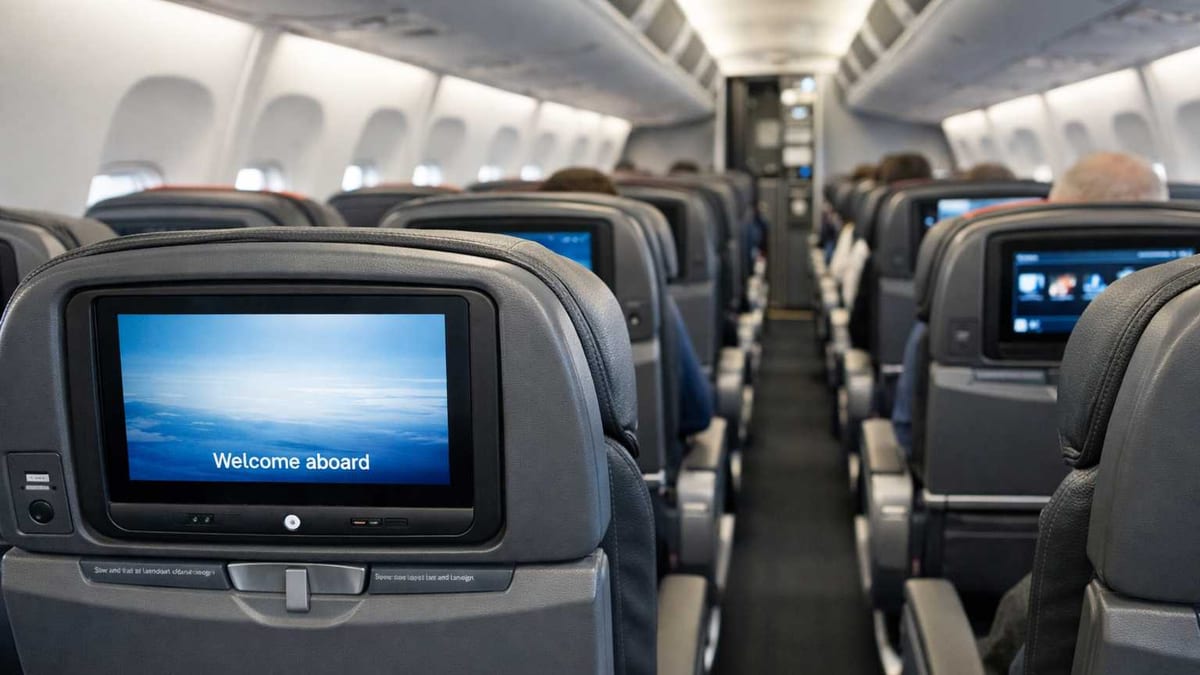
American Airlines is reversing a high-profile inflight decision, announcing plans to bring seatback entertainment screens back to much of its narrowbody fleet as part of a broader premium push aimed at winning back travelers from rivals that have leaned heavily into comfort and technology.
Get the latest news straight to your inbox!
A Strategic Reversal After a BYOD Bet
The move marks a significant course correction for the Texas-based carrier, which spent much of the past decade phasing out built-in screens on domestic aircraft in favor of a bring-your-own-device model supported by onboard streaming. That strategy cut weight and maintenance costs but became a frequent target of criticism from travelers who compared American’s cabins with the screen-equipped fleets at Delta Air Lines and United Airlines.
According to published coverage of the new plan, American will install modern seatback systems on all new Boeing and Airbus narrowbody deliveries starting in 2028, while also retrofitting a large portion of its existing single-aisle aircraft. The rollout is described as a multi-year effort, with full narrowbody coverage expected early in the next decade, signaling a long-term investment rather than a short trial.
Industry analysts note that American had already committed to seatback entertainment on many long-haul jets and on upcoming Airbus A321XLR aircraft, particularly in premium cabins. Extending that strategy to domestic and shorter international routes brings the airline closer to a consistent inflight product, a factor that corporate buyers and frequent flyers increasingly weigh when choosing preferred carriers.
Publicly available information also indicates that the screen decision is tied to American’s ongoing fleet renewal. As older aircraft are refreshed or replaced, the airline appears to be using the opportunity to reconfigure cabins, align layouts across subfleets, and add higher-yield seating at the front of the plane.
Next-Generation Screens and Connected Cabins
American is framing the return of seatback entertainment as a step forward in technology rather than a nostalgic return to older systems. The new hardware is expected to feature 4K resolution displays, larger screen sizes than previous generations, and touch interfaces designed to behave more like modern tablets.
Reports indicate that each screen will be paired with USB-C power and, on many aircraft, traditional AC outlets, allowing travelers to charge multiple devices while they watch. Bluetooth connectivity is expected to be standard, making it easier for passengers to use their own wireless headphones without relying on airline-provided headsets or wired adapters.
The software platform is being described as a personalized entertainment environment, with recommendations for films and television shows, enhanced moving maps, and real-time flight information. That aligns American with a broader industry trend in which airlines seek to turn the seatback screen into a central interface for the onboard experience, rather than simply a passive video display.
The new systems will sit alongside American’s ongoing investment in faster onboard internet. The airline has publicly explored higher-capacity satellite connections and has started rolling out high-speed Wi-Fi across more of its fleet, an upgrade that makes it easier to stream content, work, or use messaging apps in tandem with seatback entertainment.
Premium Push: More Front-Cabin and Extra-Legroom Seats
The return of screens is only one part of a broader rethinking of American’s narrowbody interiors. The airline is also expanding the number of first class and extra-legroom Main Cabin Extra seats on many single-aisle jets, signaling a clear emphasis on higher-revenue customers who are willing to pay for more space and comfort.
According to airline statements summarized in recent coverage, aircraft such as the Airbus A321neo and future Boeing 737 Max variants will see increased first class seat counts, while Main Cabin Extra sections will be enlarged across much of the domestic fleet. These changes follow earlier announcements about new Flagship Suite-branded premium cabins on widebody and long-range narrowbody aircraft.
Travel industry observers say the configuration shift reflects a demand environment in which premium cabins often sell out first, particularly on business-heavy routes. By adding more high-yield seats and pairing them with upgraded screens, power, and connectivity, American is positioning itself to capture a greater share of lucrative corporate and frequent-flyer traffic.
At the same time, the airline is under pressure to maintain a competitive experience in standard economy. Even travelers in the main cabin are slated to receive seatback screens on many revamped aircraft, a perk that could soften the impact of historically tight seating and past complaints about slimline seat comfort.
Closing the Gap With Delta and United
American’s decision comes against the backdrop of an intense product race among the three largest U.S. carriers. Delta has long promoted its fleetwide seatback entertainment, while United has been rolling out new interiors with larger screens, Bluetooth audio, and more premium seats, particularly on long-haul jets and newer widebodies.
For years, American’s lack of screens on many domestic aircraft stood out in that comparison, especially as rivals marketed cabin upgrades as a reason to choose their flights. Surveys and public commentary have frequently highlighted inflight entertainment, power access, and perceived comfort as key differentiators among the big three.
Published analysis suggests that American’s pivot is both a defensive and offensive move. By reintroducing seatback systems and increasing premium seating, the airline reduces a visible disadvantage while giving its sales teams more tangible features to promote to corporate accounts and high-status loyalty members.
The shift also reflects how traveler expectations have evolved. While most passengers now bring smartphones, tablets, or laptops on board, many still value built-in screens for ease of use, larger display size, and the ability to watch content without draining their own batteries. For families and less frequent travelers, the presence of a ready-to-go screen at every seat often remains a deciding factor when choosing an airline.
What It Means for Travelers in the Coming Years
For passengers, the most immediate change may be in how they evaluate American’s flights relative to competitors. As more aircraft are delivered or retrofitted with the new interiors, seat maps and cabin photos are likely to highlight screen availability, premium seating counts, and enhanced power options alongside schedule and price.
However, the transformation will not be overnight. With the bulk of new deliveries and retrofits scheduled to begin in 2028, travelers can expect a mixed experience for several years, with some aircraft offering the latest screens and others remaining BYOD-only. Industry observers recommend that customers continue to check aircraft types and configuration notes when booking if inflight entertainment is a priority.
For American, the investment underscores a broader strategy of moving away from an earlier low-cost, high-density approach on domestic routes and toward a more premium positioning. As the new narrowbody cabins join upgraded widebody interiors and long-haul suites, the airline is betting that a consistent, screen-equipped product will help rebuild loyalty among travelers who have drifted to rivals.
Whether the new screens and premium seating layout will translate into higher satisfaction scores and sustained revenue gains will become clearer as the first reconfigured aircraft enter service and customers begin to experience the updated cabins in everyday travel.