


More news on this day
American Airlines flight attendants are voicing sharp disapproval after the carrier quietly restored a cabin seating perk for inflight managers that had been eliminated nearly a decade ago, reopening long‑simmering tensions over workplace equity and on‑board authority.
Get the latest news straight to your inbox!
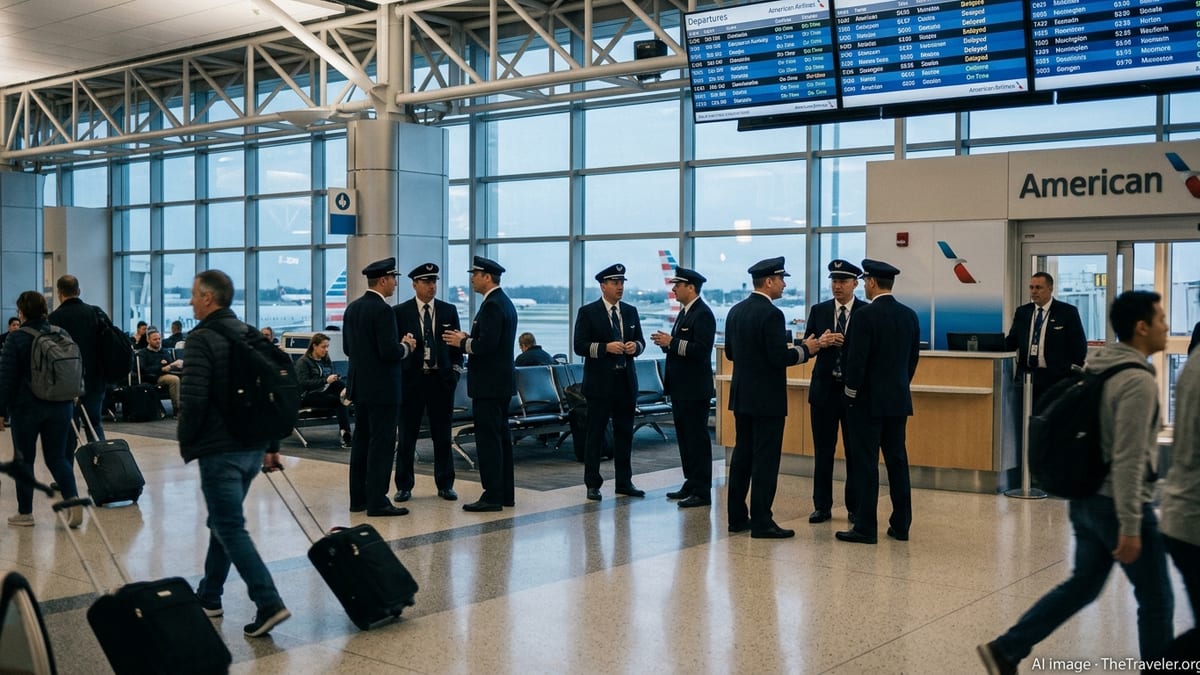
A Perk Revived After Nearly a Decade
The latest flashpoint between American Airlines and its flight attendant workforce centers on a managerial seating privilege in the cabin, a benefit that reports indicate was removed around nine years ago during an earlier round of cost controls and labor friction. The perk allowed certain inflight supervisors and managers to take a dedicated seat in the cabin, often near the front of the aircraft, when traveling on company business.
Publicly available union communications and industry commentary suggest the benefit was shelved in the mid‑2010s as part of a broader effort to narrow perceived status differences between frontline crew and management. Its quiet return this year, however, has drawn swift criticism from flight attendants, who argue that the timing and symbolism of reviving a management‑only chair undercut ongoing efforts to secure improved pay and working conditions.
Online forums where American Airlines employees discuss company policy show a growing number of posts describing the new arrangement and questioning why a perk that was previously deemed unnecessary has been reinstated now. Contributors point to a sense that management is reclaiming space and privileges on board at a moment when crews say they remain stretched by tight schedules and high passenger loads.
While the airline has not widely promoted the change, internal references to manager cabin use and seating procedures have circulated among staff, reinforcing the perception among flight attendants that a benefit once deemed inappropriate has been restored with limited transparency.
Why Flight Attendants See the Seat as a Flashpoint
For many American Airlines flight attendants, the return of the manager seat perk is about more than one extra chair on a crowded aircraft. Union materials and commentary from labor advocates describe it as a powerful symbol of hierarchy at a time when crews feel their concerns about fatigue, compensation and safety are not being fully addressed.
Flight attendants say that every cabin seat is increasingly valuable, especially on high‑demand routes where overselling and tight inventories are common. The idea that a manager can occupy a dedicated spot while commuting or traveling on business, they argue, stands in contrast to commuting flight attendants who often rely on jumpseats or hope for last‑minute space in the cabin.
Published coverage of contract disputes at American highlights how issues of respect and parity have become central themes in negotiations with the Association of Professional Flight Attendants. The reappearance of a management‑only benefit feeds into a narrative that, even as crews campaign for wage increases and stronger scheduling protections, leadership is prioritizing its own comfort and flexibility in the operation.
Employee discussions also raise concerns that a manager seated among passengers may be perceived as an additional authority figure in the cabin, potentially complicating dynamics when frontline crew are enforcing policies or handling service disputes. Some flight attendants say that the presence of a manager in a dedicated seat can blur lines of responsibility and make it harder to present a unified front on service and safety decisions.
Labor Tensions Form the Backdrop
The disagreement over the returned seat perk lands at a sensitive moment in American Airlines labor relations. The company’s flight attendants, represented by the Association of Professional Flight Attendants, have spent recent contract cycles pushing for higher pay, more predictable schedules and improved quality of life, reflecting a broader wave of organizing and activism across the U.S. airline industry.
Publicly reported union updates describe a workforce that has endured years of staffing challenges, packed flying schedules and shifting company policies. In that context, even modest policy changes around who may sit where on an aircraft are being interpreted as indicators of broader corporate priorities.
Industry observers note that disputes over seating are not new. Across several U.S. carriers, collective bargaining agreements address the use of cabin jumpseats and cabin seating by flight attendants, commuters and managers, often with explicit language reserving critical positions for frontline crew. American’s move to restore a separate benefit for inflight managers appears to run counter to that trend toward formalizing and protecting frontline access.
The controversy also taps into long‑standing questions about how closely managers should participate in on‑board operations. Some flight attendants would like to see leaders flying more frequently in working roles to better understand current conditions, rather than occupying dedicated seats as non‑working observers or commuters.
Implications for Passengers and Onboard Culture
Although the dispute is primarily internal, the return of the manager seat perk could have visible effects for passengers. In rare high‑load scenarios, the use of a dedicated management seat may limit options for accommodating last‑minute customers, upgrades or disrupted travelers, particularly on smaller aircraft where every cabin position carries added weight.
From the crew’s perspective, the presence of a manager in a prominent seat may subtly change the tone of a flight. Flight attendants posting in public forums describe feeling scrutinized when supervisors travel in the cabin, especially if those leaders are not part of the working crew. That can influence everything from service style to how confidently attendants enforce carry‑on rules or address disruptive behavior.
At the same time, some industry analysts point out that having a manager occasionally visible to customers can create opportunities for direct feedback and a clearer picture of daily operations. The key tension, critics argue, is whether this benefit is structured in a way that appears exclusive or prioritized over the needs of working crew and paying passengers.
For travelers, any tangible effect may be subtle, such as a full premium cabin on flights where one seat appears consistently occupied by a uniformed or identifiable company manager. Over time, however, patterns in seat use can shape perceptions about whose comfort and convenience are most valued by the carrier.
What Comes Next in the Dispute
Union leaders at American have signaled in their public materials that they intend to challenge policies they view as privileging management at the expense of frontline staff, and the reinstated seat perk appears poised to become part of that broader agenda. Flight attendants are urging their representatives to seek clearer contractual language around management use of cabin seating and jumpseats, aiming to ensure that flight crew retain priority access.
Labor specialists following the airline sector say disputes over seemingly small perks can serve as barometers of workplace culture. A compromise on the seat issue, such as limiting use to specific operational needs or codifying firm protections for commuting crew, could be one way to ease tensions without a major operational shift.
For now, the return of a perk removed nine years ago has become a focal point for flight attendants who feel their concerns have been sidelined. As contract discussions and policy reviews continue, how American Airlines responds to this specific dispute may signal the company’s broader approach to balancing management privileges with frontline realities inside the cabin.