


More news on this day
Celebrity Cruises is facing backlash from travelers after guests booked on an upcoming voyage reported being removed from the sailing when the ship was reassigned as a full-ship charter, sparking debate over cruise line cancellation practices and customer protections.
Get the latest news straight to your inbox!
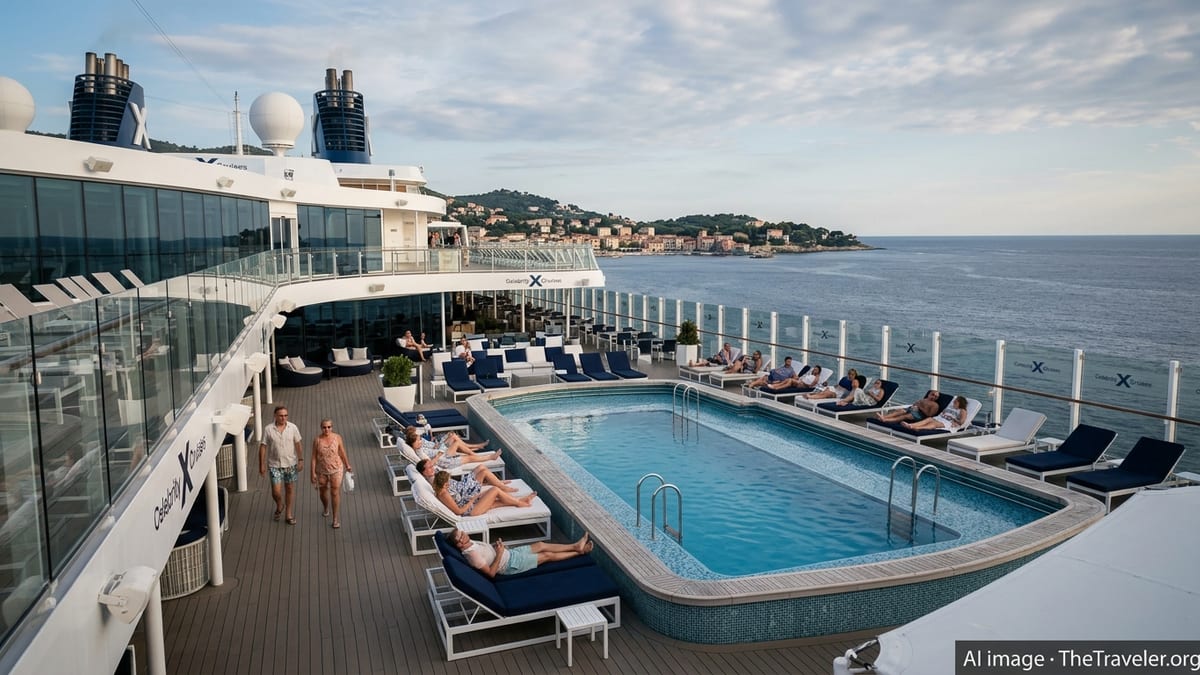
Guests Report Sudden Cancellations After Rebooking as Charter
Recent online reports indicate that guests holding confirmed reservations on a future Celebrity Cruises sailing were informed that their voyage would no longer operate as a normal itinerary because the ship had been sold as a full-ship charter. Travelers say they first learned of the change after receiving cancellation notices and revised booking information, rather than through advance warning at the time of reservation.
Posts on cruise forums and social media describe travelers being told their sailings would not proceed as originally scheduled, with the vessel instead reserved in its entirety for a private group. Some affected guests had reportedly booked many months in advance, arranging flights, hotels, and vacation time around the now-canceled departure.
While full-ship charters are a long-standing practice in the cruise industry, the situation has resurfaced questions about how and when cruise lines should disclose the possibility of charter-related cancellations, and what obligations they have to guests already booked on a standard public voyage.
What a Full-Ship Charter Means for Regular Passengers
A full-ship charter occurs when a company, organization, or event operator contracts an entire vessel for a specific sailing, effectively taking over the departure that would otherwise be sold to the general public. Corporate incentive programs, theme cruises, and private events often use these arrangements, which can be financially attractive to cruise lines because they guarantee high occupancy and predictable revenue.
According to publicly available charter FAQs from Celebrity Cruises, full-ship charters are positioned as a distinct product in which a single client controls the sailing, including onboard programming and use of public spaces. In practical terms, this typically means that previously booked retail guests cannot remain on the voyage, since the charterer expects exclusive use of the ship.
For travelers holding individual reservations, a conversion of a scheduled cruise to a full-ship charter usually results in cancellation of the original booking. Cruise lines generally offer a refund of cruise fare and taxes, and in some cases provide rebooking options or incentives to move to other dates or ships. However, coverage for additional expenses such as independent air, hotels, or tours often depends on the specific policies of the cruise line and the traveler’s insurance.
Contract Fine Print and Limited Passenger Remedies
Standard ticket contracts for major cruise brands, including those associated with Celebrity Cruises, typically give the company broad discretion to alter or cancel sailings for a wide range of reasons. These documents generally state that itineraries, ships, and departure dates may be changed, substituted, or canceled, with the cruise line’s primary obligation being a refund of cruise fare or the offer of a comparable alternative.
Legal commentary and consumer-facing guidance note that such contracts often limit the cruise line’s liability for consequential losses. That means travelers may not automatically receive compensation for additional costs like airfare, vacation days, or nonrefundable hotel stays when a sailing is canceled or reassigned as a charter, unless such coverage is explicitly provided or secured through separate travel insurance.
Consumer advocates frequently point out that this framework leaves passengers with fewer protections than they might expect when compared with some airline or package tour regulations in certain jurisdictions. As a result, news of charter-related cancellations tends to reignite criticism of how much flexibility cruise lines retain versus the financial and logistical impact on individual travelers.
Growing Calls for Greater Transparency and Advance Notice
The latest Celebrity Cruises charter episode has added to an ongoing discussion among cruise travelers about transparency around full-ship takeovers. Commenters on cruise discussion boards argue that lines should more clearly flag sailings that are at higher risk of being chartered and notify guests as early as possible when negotiations for a full-ship booking are underway.
Some frequent cruisers suggest that clearer language at the time of booking, as well as more proactive outreach if a departure becomes a candidate for charter, would help travelers make informed choices about flights, vacation requests, and trip insurance. Others call for standardized industry guidelines on compensation when confirmed retail sailings are later converted to private charters.
Published coverage in travel trade media indicates that full-ship charters remain an important part of the revenue mix for cruise lines, particularly during shoulder seasons or on itineraries where group demand is strong. As lines continue to cultivate this business, tension between charter profitability and the expectations of individual guests booked on public sailings is likely to remain a point of scrutiny.
What Affected Travelers Can Do Next
Travel advisors and consumer travel sites generally recommend that passengers who find their cruise canceled due to a full-ship charter first review the cruise line’s written notification to understand what is being offered, such as full refunds, future cruise credits, or the option to rebook on a comparable itinerary. Travelers are also urged to carefully check the terms of any travel insurance policies they hold, paying particular attention to coverage for trip cancellation and trip interruption.
Advisory articles emphasize that guests who arranged air or land components independently should contact airlines, hotels, and tour operators promptly to explore date changes or partial refunds. In some cases, flexible fare rules or documented proof of the cruise cancellation can help in obtaining fee waivers or credits, although outcomes vary among providers.
As reports of the Celebrity Cruises charter-related cancellations continue to circulate among cruise communities, affected passengers and future bookers alike are watching closely to see whether lines adjust their disclosure practices or compensation policies. For travelers planning upcoming voyages, the episode is serving as a reminder to read cruise contracts carefully, consider comprehensive insurance, and remain aware that even confirmed sailings can sometimes change when a full-ship charter comes into play.