


More news on this day
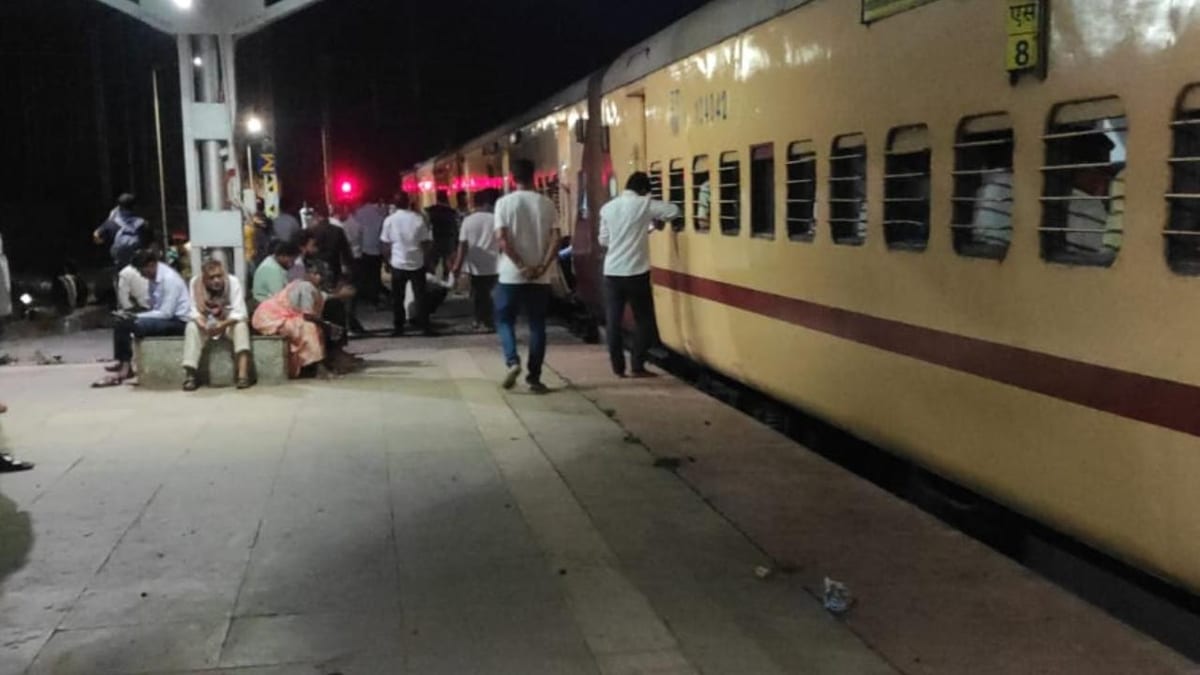
An unannounced operating block in the Kasara section of Central Railway this week left thousands of Mumbai suburban commuters stranded for hours in oppressive heat, prompting a wave of complaints about poor communication, inadequate contingency planning and growing stress on one of India’s busiest commuter corridors.
Get the latest news straight to your inbox!
Sudden disruption on a critical suburban lifeline
Reports from commuters and local coverage indicate that train services between Kasara and downstream suburban hubs were abruptly curtailed after a block was imposed on the section, with no advance notice across regular passenger information channels. Travellers described stalled or cancelled services during peak hours on a corridor that feeds daily workers, students and small traders into the Mumbai Metropolitan Region.
Social media posts and eyewitness accounts from Kasara and intermediate stations spoke of platforms packed shoulder to shoulder as trains were held outside stations or short terminated well before their usual destinations. Some passengers reported backlogs of multiple trainloads of people at smaller stations that typically see modest footfall, transforming them into choke points with limited shelter, water and seating.
The Kasara line is a vital link on the Central Railway network, connecting outer suburbs and satellite towns in Thane district to larger junctions such as Kalyan, Thane and Chhatrapati Shivaji Maharaj Terminus. Any disruption along this stretch can quickly ripple across the network, affecting long-distance services and local trains alike as rakes and crews fall out of their planned cycles.
Heat, crowding and long waits test passenger resilience
The block coincided with high daytime temperatures typical of the pre-monsoon period, amplifying discomfort and health risks for commuters forced to wait on crowded platforms and in packed coaches without adequate ventilation. Publicly available weather data for the region this week shows maximum temperatures hovering in the high 30s Celsius, with strong sun and humidity compounding the heat index.
Accounts posted by regular Central Railway users described people standing for extended periods in the open, with limited access to shade and drinking water at several intermediate stations beyond the main junctions. Elderly passengers, children and those with health conditions appeared particularly vulnerable, as the combination of heat, crowding and uncertainty extended what are usually two to three hour commutes into much longer journeys.
Some travellers reportedly opted to disembark and seek road transport where possible, but the geography of the Kasara ghat section and the dependence of many low-income commuters on the suburban rail system left few practical alternatives. The situation highlighted how sudden operational decisions can intersect with extreme weather to create acute, if temporary, humanitarian strains.
Communication gaps and mounting commuter frustration
The episode has reignited longstanding criticism of the way service information is disseminated on Mumbai’s suburban system. Regular passengers on Central Railway corridors including Kasara have frequently complained, in public forums and local media coverage, about last-minute platform changes, unsignalled terminations of services and vague or delayed public address announcements.
In this case, several commuters reported that there was little clarity at stations about the reason for the stoppage, its expected duration or alternative arrangements. While some announcements referenced a technical or operating block in the Kasara section, passengers described information as inconsistent between stations and often delivered only after long waits had already built up.
These reports echo broader concerns raised in recent months as Central Railway undertakes infrastructure upgrades, rolling stock trials and periodic maintenance blocks on constrained suburban corridors. With commuter volumes having largely returned to or exceeded pre-pandemic levels, uncoordinated or poorly signposted disruptions can quickly spill over into chaotic scenes on platforms and in trains.
Infrastructure strain and recurring operational blocks
The Kasara incident comes against a backdrop of ongoing works and capacity pressures on the Central Railway network. Recent public notices have detailed scheduled traffic and power blocks in the broader region for tasks such as non-interlocking work, platform extensions and yard remodeling, underlining the continuous effort to expand and modernise infrastructure originally built for far lower traffic volumes.
When these works are pre-planned, railway authorities typically publish block schedules in advance and adjust suburban timetables accordingly. However, operational blocks that arise at short notice, triggered by technical issues, safety checks or unplanned maintenance, can be far more disruptive if passengers are not promptly informed through multiple channels including station boards, announcements and official social media handles.
Analysts of Mumbai’s rail operations note that the Kasara corridor, with its ghat sections and mix of suburban and long-distance trains, presents particular challenges for scheduling and recovery after disruptions. Rerouting or turning back services to decongest the line often requires careful coordination, and delays can cascade quickly if even a short block is imposed without a clear management and communication strategy.
Calls for better planning as summer intensifies
The latest disruption has strengthened calls from commuter groups and civic commentators for more robust heat-season planning on Mumbai’s suburban networks. Suggestions commonly raised in public discussions include clear threshold criteria for imposing blocks during peak thermal stress, improved crowd management at smaller stations and proactive dissemination of alerts via mobile applications and broadcast media whenever significant service changes are anticipated.
As climate data points to more frequent and intense heat episodes across western India, transport planners and public health experts warn that traditional assumptions about passenger tolerance for delays and crowding may no longer hold. Long waits on packed platforms and in non-air-conditioned coaches during such periods can escalate from inconvenience to health hazard, particularly for vulnerable populations.
The experience around the Kasara block illustrates how quickly that tipping point can be reached when operational decisions, limited communication and extreme weather converge. With the summer season still unfolding, attention is likely to remain focused on whether Central Railway and other operators can adapt their practices to protect the millions who rely on suburban trains as an essential, and often unavoidable, part of daily life.