


More news on this day
Travelers moving through Cincinnati/Northern Kentucky International Airport on July 6 are facing mounting frustration as more than 50 flight delays and over a dozen cancellations expose the growing strain on regional carriers and major US hub operations across the country.
Get the latest news straight to your inbox!
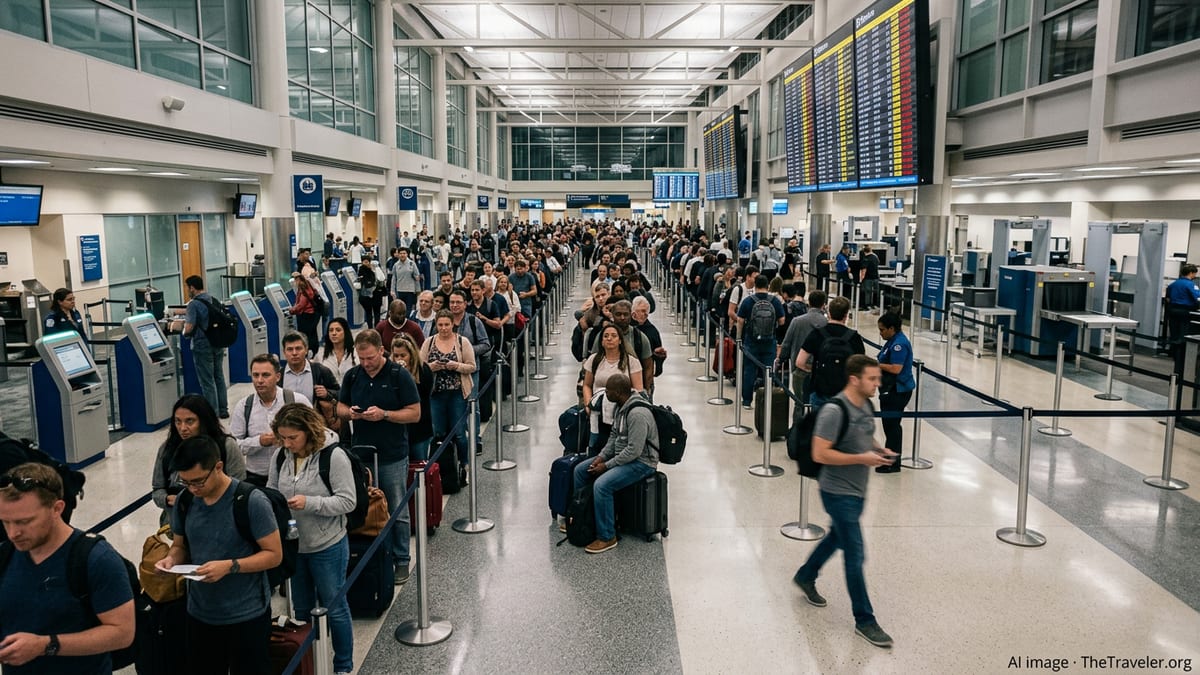
Disruptions Mount at a Key Midwestern Gateway
Operational data and industry tracking services show that Cincinnati/Northern Kentucky International Airport (CVG) has recorded around 51 delays and 12 cancellations today, leaving passengers stranded in terminals and scrambling for alternatives. While the airport itself remains open and its core infrastructure is functioning, the volume of irregular operations is significantly higher than on a typical summer weekday.
The disruptions are concentrated among short and medium haul routes, many of them operated by regional affiliates on behalf of major US airlines. Flights to and from other central nodes in the national network, including Detroit, Chicago, New York and Dallas, are among the most affected, creating knock-on effects for travelers relying on connections.
Publicly available performance dashboards indicate that on-time departure rates at CVG have fallen well below seasonal averages, with nearly half of scheduled departures experiencing some level of delay. Arrivals are faring somewhat better, but rolling schedule changes and aircraft reassignments are contributing to long waits at gates and crowded customer service lines.
Ripple Effects from Congested Hubs and Regional Carriers
Today’s disruption at Cincinnati is part of a broader pattern of stress across the US aviation system. Recent coverage of operations at airports such as Cleveland, Boston and San Francisco describes similar spikes in delays and cancellations, often tied to congested airspace, constrained ground resources or recovery from earlier weather events.
At the heart of the problem is the relationship between major hub airports and the regional airlines that feed them. Many of the delayed and canceled flights touching CVG are operated by regional carriers that provide connectivity into large hubs for national brands. When a hub experiences bottlenecks, these feeder routes are among the first to be trimmed or rescheduled, leaving travelers in secondary markets with fewer options.
Industry reports suggest that uneven aircraft rotations and crew scheduling complications are amplifying the disruption. When planes and crews are out of position after storms, ground stops or equipment issues at one or more hubs, the resulting imbalance can last for days, with airports like Cincinnati feeling the downstream effects even when local conditions are stable.
Passengers Confront Limited Rebooking Options
For travelers at CVG, the immediate impact is a narrowing set of choices. Many passengers on delayed flights are finding that same day rebooking is difficult, as remaining seats on later services are quickly taken. Those whose flights are canceled outright may be forced to accept itineraries with lengthy layovers or overnight stays in connecting cities.
Airline customer service teams are prioritizing re-accommodation for those with imminent international connections or essential travel, but public information points to growing queues at service desks and call centers. With regional routes under particular pressure, some travelers may have to wait until the following day or reroute through alternative airports several hundred miles away.
In addition to schedule disruptions, the strain on operations is affecting baggage handling and turnaround times. Passengers on tight connections within the network are facing an elevated risk of missed bags, as aircraft pushbacks and gate changes ripple through packed evening departure banks.
Indicators of Systemic Capacity and Staffing Pressures
Analysts tracking US aviation performance note that today’s problems at Cincinnati fit into a wider narrative of capacity stretched close to its limits during peak travel periods. Airlines have rebuilt schedules to meet strong demand, but regional fleets and staffing levels, especially among pilots and maintenance crews, have not always grown at the same pace.
Reports on recent operational challenges at other midwestern and northeastern airports point to similar themes: tight turnaround windows, congested hub banks and limited slack in regional networks. Once disruptions begin, there is relatively little spare capacity to absorb delayed aircraft or reassign crews without impacting other routes.
Cincinnati’s role as an important regional passenger gateway and major cargo hub adds another dimension. While cargo flights typically follow separate schedules and priorities, the shared use of airspace, runways and some ground resources can limit flexibility when passenger operations become compressed into shorter recovery windows.
What Travelers Can Expect in the Coming Hours
Forecasts for the remainder of the day indicate that irregular operations may persist into the evening as airlines work through backlogs, reposition aircraft and rotate crews. With national airspace programs signaling continuing constraints at several large hubs, further minor schedule adjustments at CVG remain possible.
Public guidance from aviation data providers suggests that travelers with departures scheduled later today or tonight should anticipate potential gate changes and rolling delays, even if their flights are not currently listed as affected. Those connecting through other busy hubs may face compounded disruptions as arrival delays at one airport translate into missed departure slots at another.
In the short term, the situation at Cincinnati illustrates how quickly a regional airport can experience significant disruption when large carriers and their affiliates face operational pressure at multiple points in the network. For many passengers, the experience underscores the importance of monitoring flight status closely, allowing extra time for connections and preparing for the possibility that even routine journeys may be subject to sudden change.