


More news on this day
Transatlantic travel through Lisbon has been jolted at the height of the summer rush, with three long haul flights on Delta Air Lines, United Airlines and Air France canceled and ripple effects spreading across routes to Boston, Washington, Paris and other connecting cities.
Get the latest news straight to your inbox!
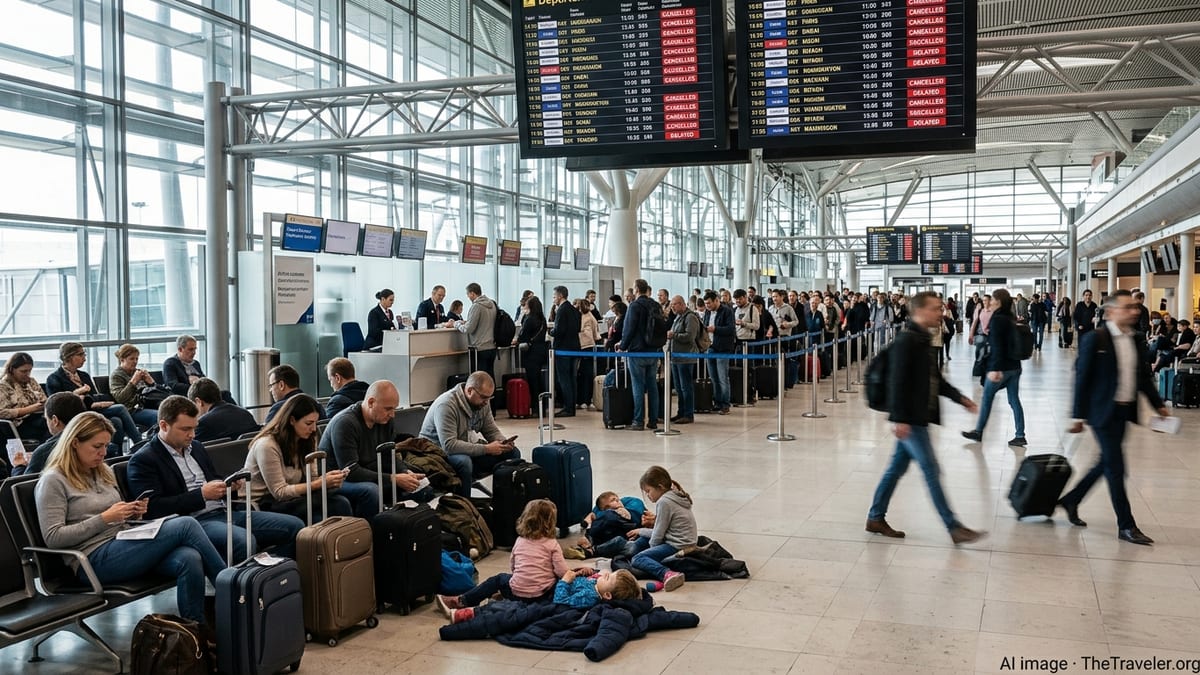
What Happened At Lisbon Humberto Delgado Airport
Lisbon Humberto Delgado Airport, a key gateway between Europe and North America, experienced a fresh wave of disruption over the first July weekend, affecting passengers traveling to and from major hubs including Boston, Washington and Paris. Publicly available flight tracking data and airline schedule information indicate that three long haul departures involving Delta Air Lines, United Airlines and Air France were canceled in close succession, triggering missed connections across their joint networks.
Lisbon serves as a growing transatlantic node for Delta and its partners, alongside Air France and KLM, with scheduled summer 2026 services linking the Portuguese capital to Boston, New York, Paris and other North American cities. United also serves Lisbon seasonally from its US hubs, feeding onward traffic across its domestic network. Against that backdrop, the loss of multiple departures in a single operating window created a noticeable gap in capacity on already busy early July travel dates.
While operational details differed by carrier, the net effect for travelers was similar: last minute cancellations leading to overnight delays, rebookings via alternative European hubs, and in some cases the need to split itineraries across different airlines. Social media posts and forum reports from affected passengers describe crowded rebooking desks in Lisbon and significant uncertainty over when replacement seats would be available during a peak travel week.
Available data for the same period also show delays on several remaining transatlantic departures from Lisbon, suggesting knock on effects as airlines attempted to absorb displaced customers onto later flights or partner operated services. With limited spare capacity on popular Lisbon services in early July, many travelers faced rebookings that stretched into the following days.
Routes To Boston, Washington and Paris Most Affected
The most immediate impact from the cancellations was felt on links between Lisbon and the northeast United States, particularly Boston and Washington, as well as on the busy corridor between Lisbon and Paris Charles de Gaulle. Delta’s seasonal Lisbon to Boston operation, which feeds both local traffic and connections into its wider US network, saw one of the affected departures scrubbed from the schedule, according to flight tracking and schedule archives.
That cancellation coincided with ongoing fuel related constraints affecting operations at Boston Logan on July 5 and July 6, as reflected in Delta’s own travel advisory for the airport. Although the Lisbon disruption is not explicitly tied to those fuel issues, the advisory highlights how sensitive Boston services are at the moment, with rebooking windows and fee waivers already in place for passengers traveling to or from the city on those dates.
Paris connections were also caught in the disruption. Air France’s Lisbon to Paris Charles de Gaulle flight, which carries codeshares for partners including Delta and other SkyTeam members, plays an important role in feeding US bound traffic via the French hub. When one of these rotations was canceled, passengers lost not only their direct Lisbon to Paris segment but often their onward long haul sector, resulting in complex rebookings either via alternative Paris services or through other European gateways.
For United customers, the cancellation of a Lisbon departure meant missed links into the airline’s US hubs and onward flights to cities such as Washington. As with Delta and Air France, the combination of high summer demand and constrained spare capacity made it difficult to quickly reaccommodate all affected passengers on the same day, especially those traveling in groups or with specific seat needs.
Why Airlines Are Struggling To Keep Summer Schedules Stable
The Lisbon cancellations come at a time when transatlantic carriers are operating dense summer schedules, with joint network maps from Delta and its European partners showing extensive service between Lisbon, Paris, Boston, Washington and other cities from late March through late October. That growth reflects strong demand for both leisure and visiting friends and relatives travel, but it also leaves airlines with less operational slack when problems arise.
Across the network, a mix of factors is weighing on reliability. Recent advisories and public commentary from airlines and airport operators point to tight crew availability, aircraft utilization running near maximum, and localized infrastructure or fuel constraints at certain hubs. When an aircraft or crew is delayed or redeployed, knock on cancellations can quickly appear far from the original problem, affecting routes like Lisbon to Boston or Lisbon to Paris that depend on precise rotations.
Weather related disruptions along the US East Coast have also been a recurring theme this summer, with waivers issued for storms affecting airports including Boston and Washington. Even when Lisbon itself enjoys clear conditions, rolling delays and ground stops in North America can force carriers to adjust transatlantic departures or aircraft routings to recover schedules, occasionally resulting in day of flight cancellations on otherwise routine routes.
Passenger reports over recent weeks describe a pattern of last minute schedule changes on several large US and European airlines, ranging from modest delays to outright cancellations. Lisbon’s role as a connecting point between southern Europe, the North Atlantic and Africa makes it particularly sensitive to such ripple effects, because aircraft and crews often arrive from one region and turn quickly back across the ocean.
What Stranded Passengers Have Been Experiencing
Travelers caught up in the three Lisbon cancellations describe a familiar set of challenges. Many learned of the changes just hours before departure while already in transit to the airport or after completing check in. Some were automatically rebooked onto later flights via Paris, Amsterdam or other European hubs operated by alliance partners, while others were left to seek out rebooking options through mobile apps, call centers or ticket counters amid peak season crowds.
Public posts on travel forums suggest that accommodation, meal vouchers and compensation have been inconsistent, varying by airline and by whether disruptions were linked to weather, operational constraints or other causes. In several cases, travelers reported long waits to speak with agents and difficulty securing seats on alternative flights departing within 24 hours, particularly for those traveling in premium cabins or with families.
Reports also highlight the added complexity of baggage handling during irregular operations. Transatlantic itineraries that combine multiple carriers, such as Delta and Air France or United and partner airlines, can leave checked luggage stranded at intermediate hubs when segments are canceled or rerouted at short notice. Some passengers traveling through Lisbon in recent weeks have described waiting several days for delayed bags to catch up after being reprotected onto different routings.
Despite those frustrations, other accounts point out that airline mobile apps and real time flight tracking services have become crucial tools for navigating such disruptions. Passengers who actively monitored flight status and proactively searched for alternative routings in coordination with airline staff often secured earlier options than those who waited solely for automatic rebookings.
What Travelers With Upcoming Lisbon Flights Should Do Now
For travelers with tickets on Delta, United or Air France involving Lisbon in the coming days, publicly available information suggests a cautious but proactive approach. Airlines are continuing to operate the majority of scheduled Lisbon services, but the recent cluster of cancellations shows that last minute changes remain possible during this busy period.
Passengers are typically advised through airline guidance to monitor their bookings closely in the 24 hours before departure, using carrier apps or online tools to receive push notifications or email alerts for any schedule changes. Checking the status of both the transatlantic segment and any feeder or onward connections can help travelers spot weak links in their itineraries before reaching the airport.
Where waivers are in place for affected destinations such as Boston, travelers may have the option to move to earlier or later flights without change fees, subject to fare differences and availability. Those with flexibility in their plans might consider shifting travel away from peak days or times, especially on heavily booked Lisbon to Boston and Lisbon to Paris services, to reduce the risk of being stranded if further cancellations occur.
Many consumer advocates also recommend having a backup plan, such as identifying alternative routings via other European hubs served by the same airline alliance, and keeping essential items in carry on luggage in case checked bags are delayed. Travel insurance policies and credit card protections can provide additional coverage for hotels, meals or replacement clothing, but terms vary, so reviewing coverage before departure can avoid surprises later if flights from Lisbon are disrupted again.