


More news on this day
Travellers flying through London are facing a new round of disruption as a cluster of cancellations and schedule changes by United Airlines, Air Canada, KLM, Qantas and partner carriers affects key long-haul and regional routes to major hubs including Chicago, Singapore, Amsterdam and Stockholm.
Get the latest news straight to your inbox!
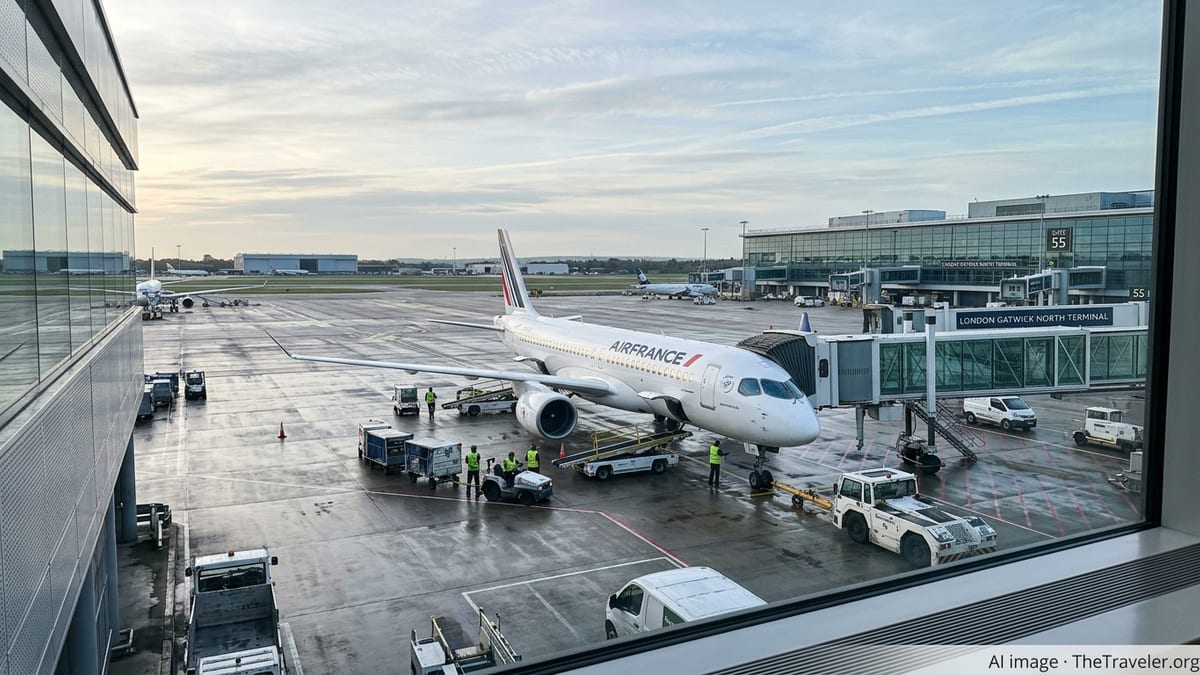
Fresh Wave Of Disruptions On Transatlantic And Long-Haul Routes
Publicly available schedule data and flight-tracking services for early July 2026 indicate that several airlines operating from London have cancelled or reshaped services on a handful of high-demand routes, with a ripple effect visible across partner networks. Routes linking London with North American hubs such as Chicago and Denver, Asian gateways including Singapore, and European connection points such as Amsterdam and Stockholm are among those reporting cancellations or significant adjustments.
United Airlines, which operates multiple daily services from London Heathrow to North America, has flagged ongoing disruption across parts of its network, with operational notices in early July warning of expected cancellations and delays on both mainline and regional services. Although core departures from Heathrow to Chicago and New York are still operating, schedule data shows selective pruning on connecting services and codeshare flights, which can leave passengers with fewer options if irregular operations occur.
Other Star Alliance carriers, including Air Canada and Lufthansa, appear within the same web of changes, as several London services carry shared flight numbers. When a single physical flight operates under multiple airline codes, any cancellation or retiming can quickly cascade through partner schedules, creating knock-on disruption for travellers who booked via different carriers but are slated to travel on the same aircraft.
For passengers, the immediate impact is visible in longer connection times, rebookings onto alternate routings and, in some cases, short-notice cancellations that require an overnight stay or a change of travel dates. While the volume of affected flights remains a small fraction of total London departures, the concentration on major trunk routes amplifies the disruption.
Amsterdam And Nordic Connections Feel The Strain
Connections between London and Amsterdam are once again under pressure as KLM continues to adjust its European operation in response to a mix of staffing challenges, air traffic control constraints and periodic congestion at Amsterdam Schiphol. Travel alerts on the airline’s information pages highlight ongoing disruption risks on selected European flights, with flexibility offered to affected passengers on certain dates.
In practice, this has translated into instances where specific Heathrow to Amsterdam rotations are cancelled while others on the same day operate as planned. Such targeted cancellations are typically used to ease pressure at congested hubs and to match capacity more closely with operational limits, but they can leave some departures heavily booked and reduce same-day recovery options for travellers whose flights are cut.
Further north, Stockholm and other Nordic destinations are indirectly affected as passengers relying on London and Amsterdam as connecting points face itinerary changes. Reports from recent months describe cases where services into or out of London were pulled while nearby departures continued to run, reflecting an operational strategy that focuses on maintaining overall network integrity even if it means selectively cancelling certain flights.
The result for travellers bound for Scandinavia is a higher likelihood of being rerouted via alternative hubs or rebooked on partner airlines, which can extend travel times and complicate luggage transfers, especially on itineraries combining different alliance members.
Why Airlines Are Trimming London Flights Now
Industry analyses of recent disruptions point to a familiar mix of causes behind the latest wave of London-related cancellations. Air traffic control restrictions, particularly during peak hours and during periods of adverse weather, continue to constrain how many aircraft can safely depart or arrive within a given time window. When those limits tighten, airlines often target specific flights for cancellation or retiming to avoid broader gridlock.
Operational stresses within airlines themselves are also a factor. Across Europe and North America, carriers are still balancing aircraft availability, maintenance requirements and crew scheduling after several seasons of strong demand. KLM-focused reports, for example, have highlighted that even with increased staffing in 2026, shortages in key ground and control roles at major hubs can still trigger network-wide adjustments, including pre-emptive cancellations on select London and Amsterdam services designed to keep the rest of the schedule running.
In parallel, long-haul operators such as Qantas are fine-tuning their London networks ahead of future fleet changes, particularly on ultra-long-haul routes. While the biggest headlines have focused on delivery delays for new aircraft and the timing of non-stop flights between London and Australian or US cities, day-to-day schedule changes and occasional cancellations on existing routings via hubs like Singapore can also affect passengers using London as a starting point or connection.
For travellers, these strategic moves often appear as isolated cancellations, but they stem from broader operational and commercial choices. Airlines may trim lower-yield or operationally complex flights on certain days while preserving peak services, particularly on routes where multiple daily departures give some room to consolidate demand.
What The Latest Changes Mean For Passengers
For anyone with upcoming travel via London to Chicago, Singapore, Amsterdam, Stockholm or other key destinations served by United, Air Canada, KLM, Qantas and their partners, the main consequence of the current disruption is reduced flexibility. Fewer same-day alternatives can make it harder to salvage tight itineraries if a flight is cancelled, and last-minute changes may result in longer layovers or rerouting through different hubs.
Passengers on codeshare tickets, where the marketing airline differs from the operating carrier, are particularly exposed. When a shared London flight is cancelled, rebooking can take longer as systems reconcile inventory between partners, and some travellers may find that options displayed in booking engines do not exactly match those offered by airport staff or call centres.
Travel rights frameworks such as UK261 and EU261 continue to apply on eligible itineraries from London, offering potential compensation or care in cases where cancellations fall within an airline’s control. However, where disruptions are linked to external constraints such as air traffic control restrictions or certain weather events, remedies are more likely to focus on rerouting and refunds rather than financial compensation.
In the near term, travellers are likely to see sporadic cancellations and schedule changes persist rather than a single, easily defined disruption event. With London remaining one of the busiest aviation markets in the world, even a small number of cancelled flights on key routes can create outsized inconvenience for those caught up in the changes.
How To Navigate London Travel During Ongoing Disruption
While the underlying causes of disruption sit largely outside passengers’ control, a few practical steps can help limit the impact of the current London cancellations. Travel advisories and airline information pages increasingly emphasise the importance of monitoring bookings frequently in the days leading up to departure, as many schedule changes are actioned overnight and communicated by email or app notifications.
Where possible, travellers connecting in London may wish to allow additional time between flights, particularly when transferring to long-haul services to North America or Asia. Longer layovers can provide a buffer if an inbound European or domestic leg is delayed or retimed, reducing the risk of missed onward flights at Heathrow or Gatwick.
For itineraries involving codeshares between airlines such as United, Air Canada, KLM, Qantas and their partners, booking all segments on a single ticket typically offers stronger protection when irregular operations occur. Single-ticket itineraries make it easier for airlines to reroute passengers on alternative services and to honour onward connections when one part of the journey is disrupted.
With demand for summer 2026 travel remaining strong, the latest cancellations around London highlight how sensitive global aviation still is to bottlenecks at major hubs. For now, travellers heading to or from Chicago, Singapore, Amsterdam, Stockholm and other key destinations are being advised, through public updates and travel coverage, to stay alert to changes and to build extra resilience into their plans.