


More news on this day
Passengers at Syracuse Hancock International Airport faced a difficult start to the week as a wave of delays and cancellations affecting JetBlue, United Airlines, American Airlines and other carriers rippled across major hubs including New York, Boston and Chicago, disrupting travel plans across the United States.
Get the latest news straight to your inbox!
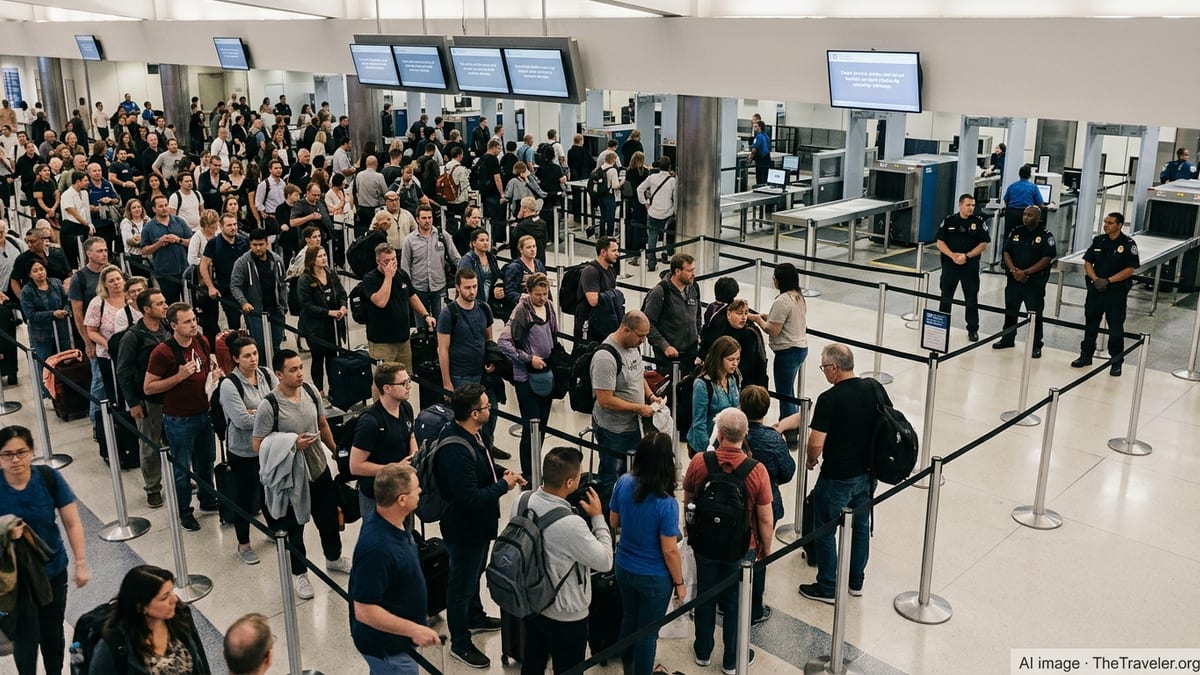
Delays Mount at Syracuse Hancock as Disruptions Spread
Publicly available tracking data on Monday, July 6, indicated that Syracuse Hancock International Airport was experiencing a series of schedule disruptions, with flights arriving late from key hubs and knock-on delays affecting departures for much of the morning. Airlines including JetBlue, United Airlines and American Airlines showed a pattern of extended arrival times from East Coast and Midwest cities, leaving many passengers facing longer-than-expected waits at gates.
Information from flight-tracking platforms showed delays on multiple early-morning arrivals from Orlando, Washington Dulles, Boston and Chicago, some running more than an hour behind schedule. These late arrivals limited aircraft and crew availability for subsequent departures, amplifying disruption throughout the day for both origin and connecting passengers in Syracuse.
While Syracuse itself was not experiencing severe local weather, the airport’s role as a spoke connected to major hubs meant that conditions and congestion elsewhere in the national airspace system translated into local headaches. Travelers waiting for inbound aircraft from New York-area airports, Boston Logan and Chicago O’Hare were among those most affected.
Systemwide Pressures Across New York, Boston and Chicago
The disruptions in Syracuse formed part of a broader pattern of operational strain across multiple major U.S. airports. National airspace data and airline advisories pointed to weather-related congestion, air traffic management programs and ground constraints contributing to delays at New York’s major airports, Boston and Chicago, with impacts extending to smaller cities such as Syracuse.
In the New York region, staggered departure and arrival programs can quickly translate into rolling delays across airline networks, particularly on heavily traveled shuttle and hub routes. When these constraints overlap with busy summer schedules, even minor slowdowns can cascade, creating multi-hour delays for flights that rely on tightly timed aircraft rotations.
Boston and Chicago play a similar role as high-traffic connecting hubs. Reports from carriers and traveler accounts indicated that thunderstorms and operational limits over the holiday period had already placed strain on schedules into early July. These pressures made it more difficult for airlines to recover quickly when new disruptions emerged, increasing the likelihood that some flights would ultimately be cancelled or significantly delayed.
JetBlue, United and American Among Airlines Most Visible
At Syracuse Hancock International Airport, JetBlue, United Airlines and American Airlines were among the most visible carriers affected, as their operations are tightly linked to hub airports currently under stress. JetBlue’s Syracuse flights connect primarily to leisure and East Coast markets, meaning that delays in Florida or the Northeast can leave aircraft arriving late into central New York.
United Airlines uses Syracuse as a spoke feeding into hubs such as Washington Dulles and Chicago O’Hare, where capacity constraints and weather can quickly ripple through regional schedules. When inbound flights run behind, departures from Syracuse are often held, contributing to daylong disruptions that can affect travelers making onward connections across the United States.
American Airlines, with links from Syracuse to Chicago, Boston, Charlotte and Philadelphia, is similarly exposed to network-wide disruptions. Maintenance-related delays, congested airspace and weather along major corridors can all contribute to rolling schedule changes. For Syracuse-based passengers, this often appears as repeated short extensions of departure times, followed by longer delays or occasional cancellations as crews and aircraft are reassigned.
Twenty-Four Delays and Eight Cancellations Across Key Routes
By late morning, aggregated data from tracking services pointed to at least two dozen delayed flights and a smaller number of outright cancellations across routes touching Syracuse and major hubs such as New York, Boston and Chicago. While the exact figures fluctuated throughout the day as airlines adjusted their schedules, travelers experienced a mix of late departures, extended tarmac holds and rebooked itineraries.
The majority of affected flights appeared to be domestic services, including early-morning and midday departures that play a critical role in feeding passengers into cross-country and international connections. A number of travelers faced the prospect of missing onward flights from Chicago or New York due to late arrivals from Syracuse, prompting same-day rebooking or overnight stays arranged directly with the airlines.
In contrast to large-scale weather events that can shut down entire airports, Monday’s disruptions reflected a more fragmented pattern, with a combination of localized storms, air traffic initiatives and operational challenges at different hubs converging on the same travel window. For passengers in Syracuse, the impact was nonetheless tangible, as relatively modest delays elsewhere translated into missed meetings, shortened vacations and extended time in terminals.
What Travelers at Syracuse Can Expect in the Short Term
Based on current patterns, publicly available information suggests that passengers flying through Syracuse Hancock International Airport over the coming day should be prepared for continued schedule variability. Airlines may still be working to reposition aircraft and crews after the latest round of delays and cancellations, particularly on routes linking Syracuse with New York, Boston, Chicago and other major U.S. cities.
Travelers are being encouraged, through airline channels and general travel advisories, to monitor their flight status frequently on the day of departure, arrive at the airport with extra time and consider earlier flights if they have critical same-day connections. Many carriers continue to offer limited flexibility to adjust itineraries when delays become significant, although specific options vary by airline and fare type.
For Syracuse, the current disruptions underscore the airport’s dependence on larger hub operations and the broader national airspace system. Even when local conditions appear calm, events at distant airports can have a swift and substantial effect on regional travelers, turning an otherwise routine travel day into a test of patience for passengers and airlines alike.