


More news on this day
Recent coverage of a freight train derailment near provincially protected wetlands indicates no significant long-term impact to the surrounding water and wildlife habitats, according to early environmental assessments and updates from regional agencies.
Get the latest news straight to your inbox!
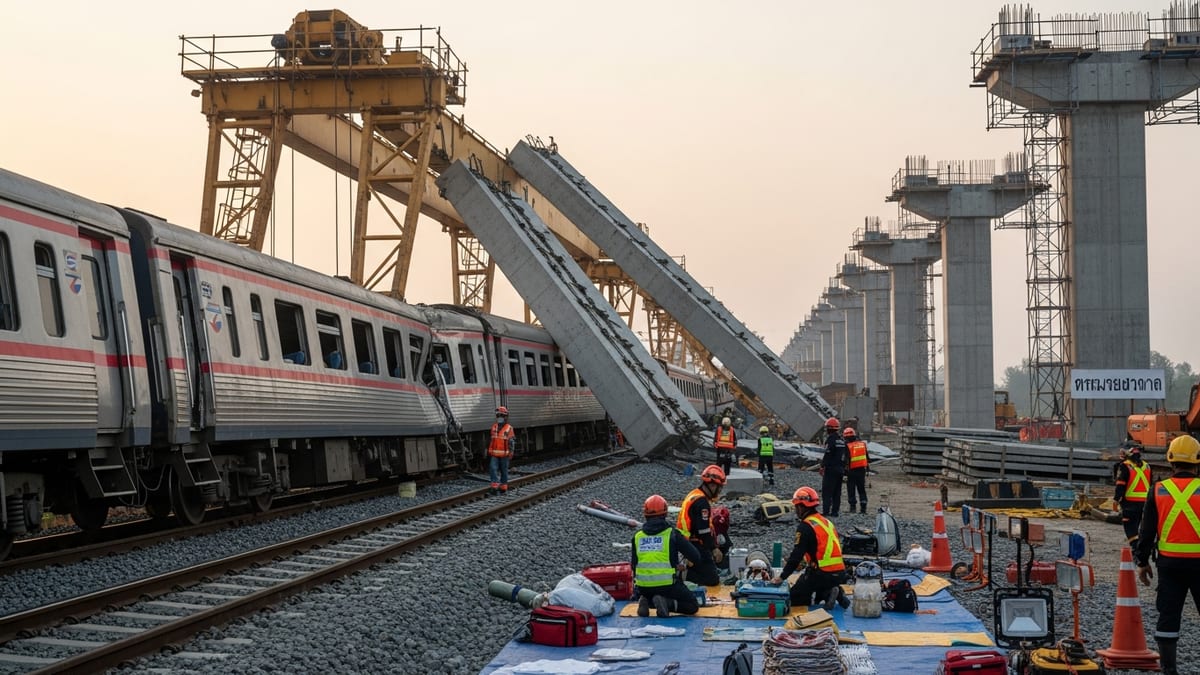
Derailment Near Sensitive Wetlands Draws Swift Scrutiny
The derailment occurred close to provincially designated wetlands, an area recognized for its role in supporting migratory birds, amphibians, and other wildlife. Initial images from the scene showed several cars off the tracks and raised immediate concern about potential spills into nearby low-lying areas.
Publicly available incident summaries describe a collision that led to multiple freight cars leaving the rail line in proximity to drainage channels connected with the wetland complex. The location prompted rapid coordination between municipal, provincial, and rail-company response teams, with particular attention paid to containing any runoff that could reach the sensitive ecosystem.
Regional environmental listings identify the adjacent wetlands as part of a broader provincial network of marshes and peatlands that act as natural filtration systems for surface water. Any contamination in such areas can have lasting effects, which is why the derailment attracted heightened attention from local residents and conservation advocates.
In the immediate aftermath, barriers and absorbent materials were positioned around culverts and ditches that could carry contaminants toward the wetlands. These measures formed the first line of defense while specialists began testing soil and surface water near the rail line.
Early Assessments Indicate Limited Environmental Damage
According to published coverage and technical summaries, early site assessments indicate no significant impact to the provincial wetlands from the derailment. Response documentation notes that containment systems were put in place quickly and that most of the affected materials were either non-hazardous freight or remained confined to the rail corridor.
Sampling of soil and surface water near the derailment zone has reportedly focused on identifying hydrocarbons, chemical residues, and other potential pollutants. Preliminary findings shared in public forums suggest that concentrations detected so far are either below regulatory thresholds or localized within the immediate right of way, away from the wetland basins.
Environmental specialists involved in the review have highlighted the natural buffering capacity of the landscape, including vegetation and microtopography that slow overland flow. These features, combined with constructed containment lines, appear to have limited the movement of contaminants toward the provincially significant wetlands.
While the full technical results of the investigation may take additional time to finalize, the overall picture emerging from municipal statements, rail-operator updates, and provincial bulletins points to a low likelihood of lasting harm to wetland water quality or habitat structure.
Ongoing Monitoring and Cleanup Along the Rail Corridor
Although there is currently no expectation of significant damage to the wetlands, monitoring efforts remain active along the rail line and at key drainage points. Public information indicates that follow-up sampling of surface water, groundwater, and sediments will continue over the coming weeks to verify that any residual contaminants remain contained.
Cleanup crews are working to remove affected ballast, soil, and debris from the derailment zone, with disposal following established environmental guidelines. Any excavated material showing elevated contaminant levels is typically transported to approved facilities for treatment or secure landfilling, a process designed to reduce long-term risks to nearby ecosystems.
In addition to environmental sampling, engineers are inspecting rail infrastructure to address any damage caused by the derailment and heavy machinery involved in recovery work. Restoring the track bed and drainage structures is considered important not only for rail safety but also for maintaining stable water flows away from the wetlands.
Reports on similar incidents in other regions have shown that early containment and methodical cleanup are critical factors in reducing the chances of pollutants migrating into sensitive habitats. The structured response at this site is being presented in public documents as consistent with these lessons.
Wetlands’ Role in Regional Ecology and Tourism
The provincial wetlands bordering the rail line are valued not only for biodiversity but also for their contribution to regional recreation and nature-based tourism. Birdwatching, photography, and low-impact hiking routes in nearby conservation lands draw visitors who come specifically to experience intact marsh and bog landscapes.
Travel and outdoor guides describe these wetlands as seasonal hotspots for migratory waterfowl and songbirds, with viewing platforms and informal pullouts offering accessible vantage points. Any major pollution event could have jeopardized both wildlife use of the area and the visitor experience that depends on relatively pristine conditions.
For local tourism operators and nature groups, the latest information pointing to no significant wetland impact brings a measure of relief. While rail infrastructure and industrial activity often intersect with natural environments, the apparent avoidance of major ecological damage helps support the region’s reputation as a destination for responsible outdoor recreation.
Continuing to monitor the site and publicly share findings is viewed in regional planning documents as an important way to maintain traveler confidence, particularly among visitors who choose destinations based on conservation credentials and visible environmental stewardship.
Balancing Transport Corridors and Sensitive Landscapes
The derailment has renewed public attention on how critical transportation corridors intersect with protected natural areas. Policy papers and environmental reviews frequently note that rail routes often predate modern conservation designations, resulting in long-standing lines passing close to wetlands, rivers, and wildlife habitat.
Recent coverage of the incident highlights ongoing discussions about risk reduction strategies in such locations, including enhanced inspection regimes, updated emergency response plans, and targeted infrastructure investments at known environmental pinch points. These measures aim to reduce the likelihood of derailments and improve containment when incidents do occur.
Urban and regional planning documents emphasize that provincial wetlands play an outsized role in flood mitigation, water purification, and carbon storage. Protecting these systems, even when infrastructure is already in place nearby, is considered a key objective for long-term climate resilience and sustainable development.
As freight traffic continues to support economic activity across the region, the incident near the wetlands underscores the importance of integrating transportation safety, environmental monitoring, and tourism development. For travelers drawn to landscapes shaped by water and wildlife, evidence that a recent derailment has not caused significant wetland damage offers a cautiously positive note amid broader concerns about industrial impacts on sensitive ecosystems.