


More news on this day
Hawaii is once again being sold to the world as a carefree playground of luxury resorts, rooftop pools and “once in a lifetime” social media moments. Visitor numbers and hotel rates are climbing, and high-end travelers are returning in force. Yet beneath the polished images, a very different story is unfolding for many residents who say the tourism boom is masking a deepening crisis in housing, wages and community survival.
Get the latest news straight to your inbox!
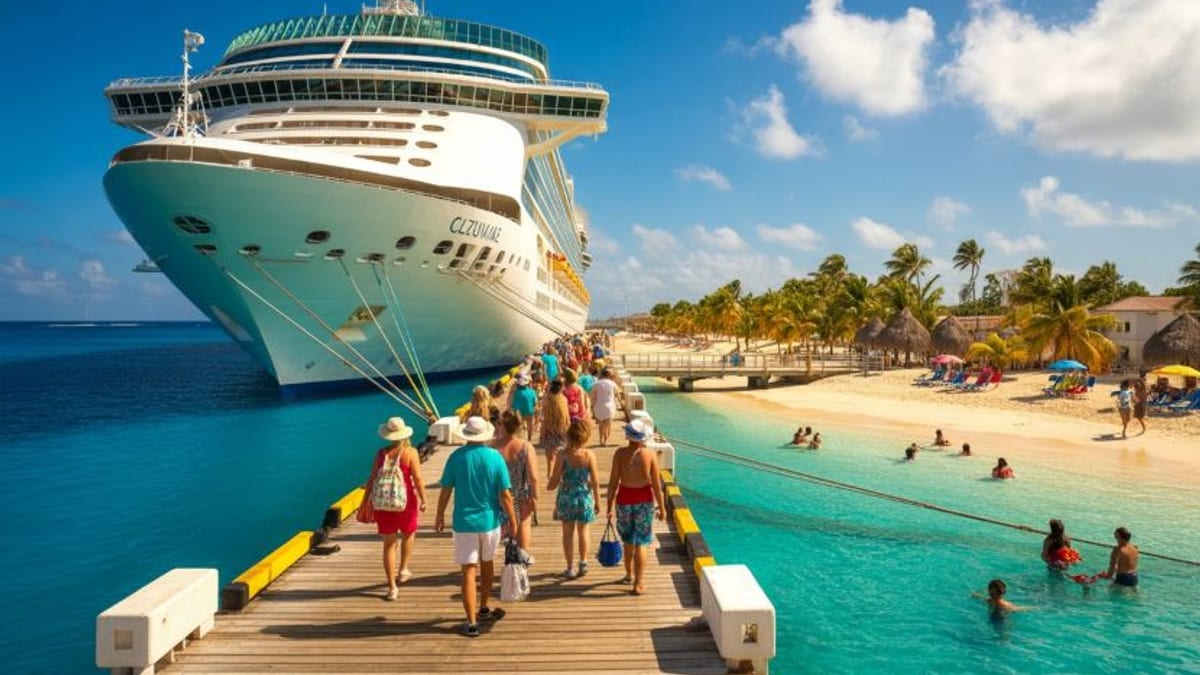
A Record Tourism Recovery That Many Residents Do Not Feel
Recent visitor data shows that Hawaii’s overall tourism industry has largely recovered in terms of arrivals and spending, with millions of travelers returning each year and visitor expenditures hovering near or above pre-pandemic levels. State reports describe month-on-month improvements in visitor counts and revenue from late 2023 through 2024, with some islands edging close to record spending by high-end travelers.
Luxury and timeshare properties in particular are reporting strong occupancy, even as broader economic indicators for local families remain fragile. Industry reports indicate that certain segments, such as upscale resorts and branded residences, have seen robust demand from visitors willing to pay premium nightly rates, fueling headlines about a “resilient” or “booming” tourism sector.
For many residents, however, this recovery feels detached from their lived reality. Publicly available research from universities, social-service agencies and local news outlets points to a widening gap between healthy visitor numbers and the ability of working households to meet basic expenses. Housing, food, transportation and childcare costs continue to rise faster than wages in many tourism-dependent communities, leaving workers in hotels, restaurants and tour operations struggling to remain in the islands they serve.
Surveys of Hawaii households show persistent concern that rising visitor spending is not translating into broad-based prosperity. Instead, many residents report feeling squeezed by an economy that depends heavily on tourism revenue while leaving local wages and living standards lagging behind the cost of paradise marketed to visitors.
Maui Wildfires Expose the Housing Fault Lines
The August 2023 wildfires on Maui, which destroyed thousands of structures and devastated Lahaina, exposed the fragility of the island’s housing system. Research published since the disaster describes how a long-standing shortage of affordable housing magnified the fires’ impact, leaving thousands of survivors reliant on hotel rooms, temporary rentals and government programs well into 2024 and beyond.
Follow-up surveys of fire-impacted households show that a large share of survivors have cycled through temporary accommodation, with many reporting higher rents, overcrowding and uncertainty about their long-term living situation. Even as the broader visitor market shows signs of recovery, a significant portion of those displaced by the fire remain in interim housing, living with friends and relatives, or paying far more than they did before just to stay on the island.
Local and federal recovery plans highlight the use of visitor accommodations as a stopgap measure, with hotels and short-term rentals playing a critical role in emergency shelter and interim housing. Yet publicly available county and state documents also depict a post-fire rental market where competition between tourism and long-term residents has intensified, with some households facing steep rent increases and limited options.
At the same time, recovery strategies continue to rely heavily on restoring visitor flows to support Maui’s economy, creating tension between the need for tourism revenue and the urgency of securing stable housing for those most directly affected by the disaster.
Short-Term Rentals and the “Fake Luxury” Economy
Central to Hawaii’s current struggle is the explosive growth of short-term vacation rentals and high-end tourist housing in areas with some of the most limited residential supply. County reports and policy proposals describe thousands of units operating as vacation rentals, many owned by investors who live outside Hawaii. These properties often earn far more as nightly tourist accommodations than they would as long-term rentals for local families.
On Maui, public discussions and legislative proposals have focused on converting a portion of these visitor units into long-term housing to ease the post-wildfire crunch. Some proposals estimate that reclassifying a share of tourist rentals could significantly reduce visitor capacity while freeing up homes for residents. Supporters argue that without such changes, entire neighborhoods will continue to function more as resort extensions than as communities, even as displaced families search for stable housing.
For visitors, the result can be a “fake luxury” experience that looks glamorous online but sits on top of deep local resentment. Social media feeds are filled with images of infinity pools, secluded villas and “authentic” neighborhood stays, yet many of those same properties were once or could be primary homes for local families. Critics say this model creates the illusion of exclusive indulgence while quietly eroding the communities and cultures that drew travelers in the first place.
In popular resort regions, the contrast has become increasingly stark. Streets lined with short-term rentals and upscale condos may appear prosperous to travelers, but residents describe an environment where long-term neighbors disappear, schools lose enrollment and local businesses morph into visitor-only boutiques. The luxury that visitors are encouraged to buy into is, in many cases, built directly on the displacement of the people who call these places home.
Cost of Living, Low Wages and the Push to Leave
Multiple statewide assessments have documented the financial strain facing working households in Hawaii, particularly those categorized as earning above the official poverty line yet still unable to reliably afford housing, food and healthcare. These “asset limited, income constrained, employed” households are heavily represented in service sectors like hospitality, restaurants and retail, which are tied to tourism but often offer low or unstable wages.
Economic studies and commentary from local researchers indicate that Hawaii’s cost of living remains among the highest in the United States, with housing as the dominant pressure. Even as tourism numbers rebound, wage growth has not kept pace with rent, mortgage and utility increases. Many families report holding multiple jobs, enduring long commutes from more affordable outlying areas, or relying on crowded multigenerational households to make ends meet.
The result is a persistent wave of outmigration, as residents relocate to the continental United States in search of better-paying jobs and more attainable home prices. Analysts warn that this trend is reshaping Hawaii’s demographic and cultural landscape, hollowing out the middle class and leaving the islands increasingly reliant on an economy tied to visitors who can afford high prices that locals cannot.
In this context, the image of a thriving luxury destination takes on a different meaning. For many who grew up in Hawaii, the very forces that make the islands attractive to affluent travelers are pushing them away. High-end restaurants, exclusive tours and designer-branded resorts translate into jobs, but often not into the type of secure, well-paid work required to remain rooted in the place being sold as paradise.
Calls for a Different Kind of Tourism
The widening gap between tourism marketing and on-the-ground reality has prompted intensifying debate within Hawaii about what a more responsible visitor economy should look like. Public discussions, advocacy campaigns and policy initiatives increasingly focus on concepts such as “regenerative tourism,” visitor education, and caps or reclassification of tourist accommodations in the most stressed communities.
Some measures already enacted or under consideration include new visitor fees tied to environmental protection, stricter rules on illegal vacation rentals, and programs that prioritize housing fire survivors and local families over short-term tourist demand. Publicly available planning documents emphasize the need to balance economic recovery with long-term community resilience, making clear that simply returning to pre-pandemic tourism volumes will not resolve the underlying crises of housing and inequality.
At the same time, many local voices argue that visitors themselves have a role to play. Travelers are being urged in public campaigns and community messaging to book legal accommodations, avoid short-term rentals in heavily impacted areas, support local-owned businesses, and approach the islands with an awareness of ongoing recovery and displacement.
For prospective visitors, the glossy images of luxury and escape now come with an unwritten warning label. The beaches, forests and cultural experiences promoted in advertisements remain real and powerful, but so too are the economic and social pressures facing the people who live there year-round. As Hawaii confronts the consequences of relying on a high-cost, high-volume visitor model, the future of travel to the islands may depend on whether the tourism narrative can shift from selling perfection to supporting a more honest and sustainable relationship between guests and hosts.