


More news on this day
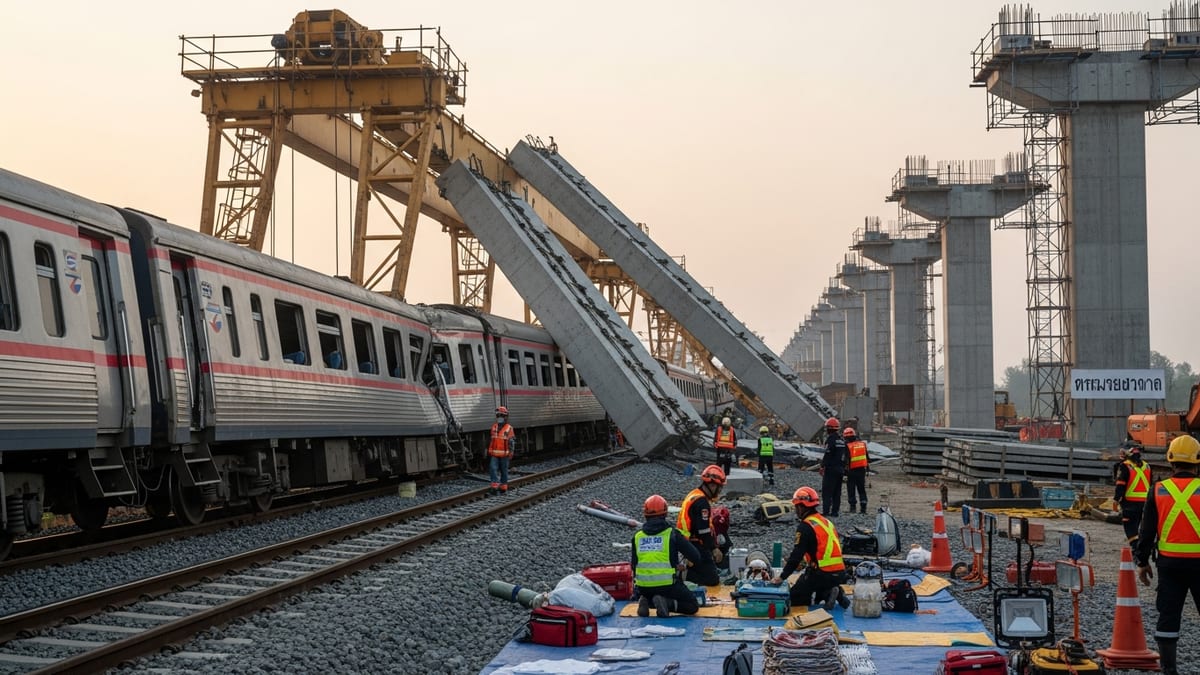
Cleanup efforts and travel disruptions are continuing in Richmond’s Shockoe Bottom area after a CSX freight train derailed above the canal walk, sending several grain cars into the canal and triggering an extended recovery operation in one of the city’s busiest riverfront corridors.
Get the latest news straight to your inbox!
Ongoing recovery in a key riverfront corridor
Published coverage indicates that the derailment occurred on July 3 near Dock and 20th streets, along the elevated CSX line that parallels the canal and canal walk in Shockoe Bottom. Multiple covered hopper cars carrying grain left the tracks, with three ending up in the canal beside the bridge structure. No hazardous materials have been reported in connection with the incident, but the location above a dense mix of streets, paths and waterways has complicated the response.
Reports from local outlets show that track and bridge repairs were completed within about a week, allowing freight movements through the corridor to resume on a limited basis while heavy equipment continued hoisting damaged cars and debris from the canal. Rail crews have been working from both the track level and the canal banks, using cranes, barges and vacuum equipment to remove wreckage and spilled corn from the water and adjacent shoreline.
Publicly available information indicates that the canal itself has remained partly obstructed as cleanup progresses, with floating booms catching grain and debris and work barges occupying sections of the narrow waterway. The combination of structural inspections, environmental cleanup and rail restoration has extended the recovery timeline beyond initial expectations, with crews still active in the area more than a week after the derailment.
Street closures, detours and trail impacts
The derailment and subsequent recovery work have prompted a shifting pattern of closures and lane restrictions in Shockoe Bottom, particularly along Dock Street and surrounding blocks. Local news coverage and city traffic advisories describe intermittent closures near Dock and 20th streets to accommodate cranes, heavy trucks and staging areas needed to lift railcars from the canal and remove damaged track components.
Drivers have reported delays and detours around the Bottom as trucks and equipment occupy curb lanes and intersections near the riverfront. The area is already known for constrained traffic routes, and the added closures have intensified congestion on primary approaches to downtown from the east. Message boards and police-controlled intersections have been used at times to keep vehicles away from the heaviest work zones around the canal bridge.
The popular canal walk and adjacent paths running beneath the elevated tracks have also been affected. Portions of the canal-side walkway and nearby riverfront access points have been periodically closed for safety as crews work overhead and along the waterline. Some pedestrians and cyclists have turned to parallel streets and higher-elevation sidewalks to navigate around closed segments, while visitors unfamiliar with the network of paths have encountered sudden dead ends at barricades.
Environmental assessments and canal cleanup
Because the derailed cars were loaded with grain rather than chemicals or petroleum products, the primary environmental concerns have centered on physical debris and short-term impacts to water quality in the canal. Reports indicate that grain has been removed from the water surface, canal bed and shoreline using pumps, nets and vacuum equipment, with additional flushing expected to disperse remaining organic material once heavy removal is complete.
Publicly available information suggests that environmental responders have focused on preventing grain and associated debris from moving farther along the canal system or into downstream sections of the James River corridor. Containment booms have been deployed around the submerged and partially submerged cars, and skimmer vessels and small workboats have been used to corral and collect floating material.
Inspection of the canal banks, canal walk structures and adjacent retaining walls is ongoing as equipment is demobilized. While no major structural damage to the canal infrastructure has been reported so far, localized repairs to railings, pavement and access stairs are expected where cranes and trucks have entered tight urban spaces along the water’s edge. Any additional stabilization work to the bridge piers and abutments is likely to be scheduled once the damaged railcars and temporary work platforms are fully removed.
Travelers, commuters and visitors adapt
The incident has added another layer of complexity for travelers using Richmond’s downtown rail and road network. Passenger rail users have experienced delays and occasional cancellations where freight disruptions ripple across shared corridors. According to publicly available schedules and service updates, operators have rerouted some trains and adjusted departure times while CSX crews maintain restricted operations through the Shockoe Bottom segment.
For motorists, the greatest impacts have been felt on local approaches into the Bottom and riverfront, particularly for commuters who rely on Dock Street and nearby connectors at peak hours. Detours to higher-capacity routes and parallel riverfront roads have absorbed some of the displaced traffic, but drivers heading to downtown offices, Canal Walk destinations and nearby neighborhoods have been encouraged through public messaging to allow extra time and to monitor local traffic advisories.
Visitors drawn to the canal walk, historic tobacco warehouses and nearby restaurant corridors are also encountering a changed landscape along the water. Sections of the canal path remain fenced or posted with warning signs as cleanup continues, altering some of the most familiar riverfront views. Tourism and hospitality businesses in the Bottom have continued operating, but staff have directed guests to alternative walking routes where necessary to reach river overlooks, plazas and nearby trailheads.
Questions about rail safety in a historic urban setting
The derailment has renewed public discussion about the risks associated with long freight trains operating over elevated tracks that cross busy streets, active recreation spaces and historic waterfront infrastructure. Commenters and local coverage have noted that the Shockoe Bottom canal corridor sits beneath a complex web of rail bridges and viaducts, including the well-known triple crossing just west of the derailment site, where multiple rail lines intersect above the streets and the canal.
In the aftermath of the incident, community conversations have highlighted how close the derailment came to impacting street-level traffic, public spaces and adjacent buildings. Observers have pointed out that the grain cars dropped into the canal rather than onto roads and sidewalks that run directly below portions of the elevated structure, and that the timing during a non-peak period may have reduced potential harm to people in the area.
Published analyses and commentary have also linked the Richmond derailment to broader national concerns about freight rail safety, infrastructure maintenance and train length. As cleanup continues in Shockoe Bottom, residents, travelers and rail users across the region are watching for the final investigation findings, potential infrastructure upgrades and any resulting changes to operations through one of Richmond’s most distinctive and heavily traveled riverfront corridors.