


More news on this day
Dutch shipbuilder Concordia Damen has delivered the river cruise vessel Century Star to China based Century Cruises, marking the operator’s first purpose built ship for the European market and a significant new player on Europe’s inland waterways.
Get the latest news straight to your inbox!
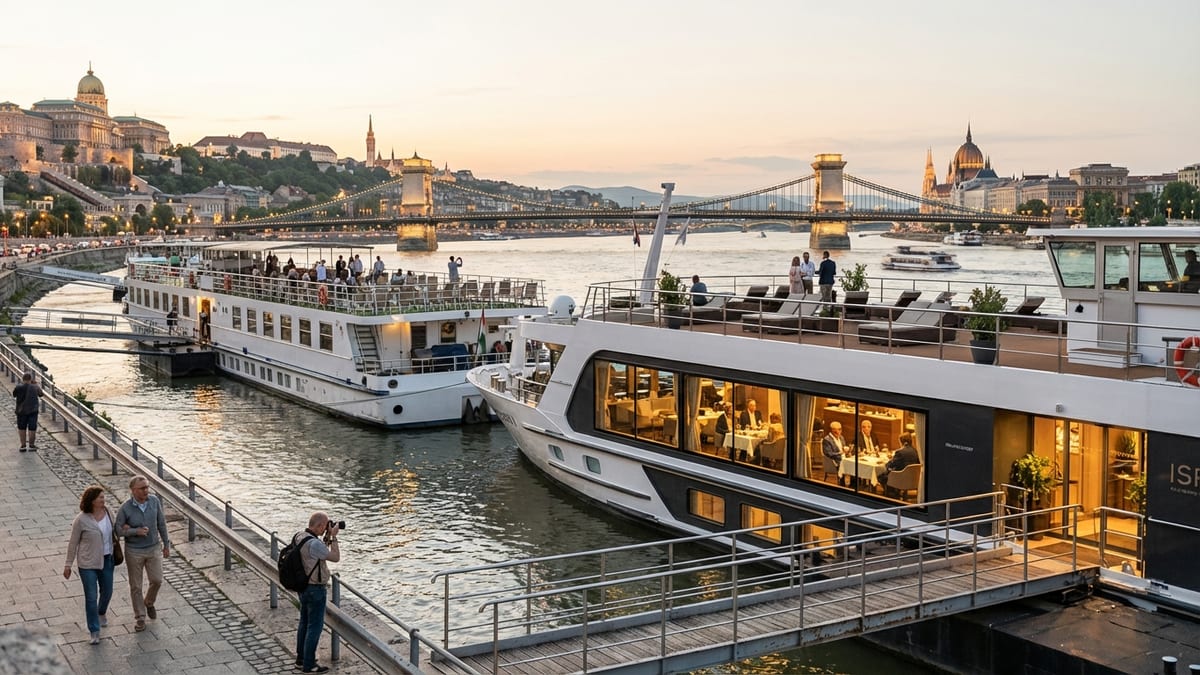
A milestone delivery for Concordia Damen and Century Cruises
The handover of Century Star completes an 18 month project that began with a speculative hull and evolved into a fully customized ship tailored for European river operations. Publicly available information indicates the vessel is based on Concordia Damen’s 135 meter river cruise platform, adapted for the specific needs of its Chinese client and the conditions of major European rivers.
Reports indicate that Century Star is the first in a planned series of three sister ships, underlining Century Cruises’ long term commitment to Europe’s river cruise segment. The vessel’s delivery is seen in industry coverage as a key step in the company’s broader strategy to diversify beyond its home market on China’s Yangtze River.
The project also reinforces Concordia Damen’s growing role in river cruising. After earlier newbuilds for European operators, the Dutch yard has positioned its standardized hull concept as a way to shorten lead times while still allowing for extensive customization in the final stages of construction.
Century Star is scheduled to enter service on the Danube in September 2026, giving Century Cruises time to finalize deployment, sales channels and brand positioning ahead of its first European season.
Ship design blends Asian hospitality with European river realities
According to technical descriptions released by the yard and trade media, Century Star measures approximately 135 meters in length and is configured for around 176 guests in 76 cabins. The size and layout place the ship within the upper tier of contemporary European river vessels while remaining compatible with bridge clearances and lock dimensions on key routes.
The design emphasizes Asian inspired hospitality within a European framework. Interior renderings shared in industry coverage highlight a neutral, contemporary aesthetic with occasional references to Chinese art and design, combined with large windows and open public spaces tailored to scenic cruising on rivers such as the Danube and Rhine.
Century Star incorporates hybrid propulsion technology and a shallow draft to handle fluctuating water levels, an increasingly important factor for European river itineraries. The ship is expected to operate on shore power where available and to use modern energy management systems that reflect rising environmental expectations in the region’s cruise sector.
The hull’s standardized engineering, paired with bespoke interiors developed in cooperation with specialist design firms, illustrates how shipyards are trying to balance efficiency in construction with the need for distinctive onboard experiences.
Century Cruises’ strategic move into Europe
Century Cruises, founded in 1992, has built its reputation on Yangtze River itineraries in China, where it carries several hundred thousand passengers a year on a fleet of modern river ships. Public data and previous company statements show that the operator has invested heavily in newbuilds at home, including vessels with hybrid or electric propulsion.
Entry into Europe with Century Star reflects both rising outbound demand from Asian travelers and the company’s ambition to diversify its customer base. Trade press reports describe the project as a collaboration with Basel based United Waterways, which is expected to support operations, infrastructure and hospitality for the new European program.
By basing its first European vessel at a well established Dutch yard, Century Cruises is aligning Chinese river cruising expertise with European technical standards. Industry analysts see the move as part of a wider trend of cross regional partnerships in river tourism, as operators seek growth beyond increasingly competitive home markets.
Century Star’s initial deployment on the Danube targets one of Europe’s best known river corridors, connecting destinations in Germany, Austria, Slovakia and Hungary. This positioning is likely to give the brand strong visibility with both European and long haul guests as it builds recognition beyond China.
Implications for Europe’s river cruise market
The delivery of Century Star adds a new international brand to a European river cruise landscape currently dominated by operators headquartered in Europe and North America. Market observers note that competition on the Danube and Rhine has intensified in recent years, with new ships entering service even as operators navigate variable water levels and evolving regulatory demands.
Century Cruises’ decision to launch with a purpose built European ship, rather than chartering existing tonnage, signals confidence in long term demand. The three ship program reported by industry outlets suggests that the company expects sustained interest in river itineraries among Chinese travelers as well as other source markets attracted by an Asian hospitality style.
For Concordia Damen, the project highlights the export potential of its inland shipping expertise. The yard’s focus on fuel efficiency, low operating costs and standardized hull designs is intended to appeal to operators seeking to expand fleets without long lead times or high technical risk.
The emergence of Century Star may also encourage further collaboration between European infrastructure providers, tour operators and Asian travel companies, as river cruising continues to evolve into an increasingly global segment of the cruise industry.
What travelers can expect when Century Star enters service
While full product details are still being finalized, information released so far suggests that Century Star will focus on upscale, inclusive river itineraries with an emphasis on service and cultural programming. Trade coverage indicates that onboard offerings are expected to blend Chinese hospitality traditions with familiar features of European river cruising, such as guided shore excursions and regionally inspired cuisine.
Cabin layouts and public areas are designed to appeal to international travelers, with a mix of balcony and panoramic window accommodations, a main restaurant, lounge spaces and wellness facilities. The ship’s relatively intimate capacity compared with large ocean vessels aligns with broader trends in river cruising, where guests often prioritize destination immersion and relaxed onboard atmospheres.
With the vessel now formally delivered, attention turns to crew recruitment, training and itinerary finalization ahead of the first commercial voyages. As Century Star moves from shipyard to river deployment, its performance will be closely watched by both established competitors and prospective travelers looking for new ways to experience Europe’s waterways.