


More news on this day
As marquee US national parks report some of their busiest years on record, a quieter movement is taking shape among travelers seeking open trails and empty viewpoints in lesser-known parks across the country.
Get the latest news straight to your inbox!
Crowds Push Travelers Toward Quieter Public Lands
Recent visitation data from the US National Park Service show overall recreation visits trending near historic highs, with popular destinations such as Great Smoky Mountains, Zion and Grand Canyon concentrating a significant share of travelers. In 2025, published coverage indicates that more than half of all recreational visits to US national parks went to just 10 headline destinations, intensifying congestion at marquee viewpoints, entrances and nearby gateway towns.
These crowding patterns are reshaping how many US residents and international visitors plan nature-focused trips. Reports indicate that travelers who once automatically booked summer holidays to iconic parks are increasingly searching for “national park alternatives” and “less crowded parks” across travel platforms. Industry analysts note that shoulder seasons in major parks have become busier, prompting some visitors to avoid peak months altogether.
At the same time, publicly available statistics from several states show rising interest in local park systems. Montana, for example, reported year-on-year visitation increases at a majority of its state parks in 2024 compared with 2023, underscoring the role that smaller sites are playing as pressure valves for heavily visited federal areas. Travel editors and guidebook publishers are responding with more coverage of state parks, national monuments and recreation areas that were rarely included in mainstream itineraries a decade ago.
For budget-conscious travelers, the appeal is practical as well as experiential. Entry fees at state parks and less prominent federal sites often remain lower than those at major national parks, and camping or cabin reservations can be easier to secure on short notice. Combined with shorter driving distances for regional visitors, these factors are turning many overlooked parks into viable stand-ins for their more famous counterparts.
State Parks That Rival Big National Names
Across the United States, state park systems manage thousands of sites that mirror the landscapes and wildlife of nearby national parks while typically seeing far fewer visitors. According to data compiled by state-park associations and travel publications, there are more than 9,800 state-run parks, forests and recreation areas nationwide, offering everything from alpine peaks and wild coastlines to desert canyons and cypress swamps.
In South Dakota, Custer State Park is frequently cited in travel reporting as an example of a state park that delivers a national-park-caliber experience. The park protects rolling prairie, granite spires and a large free-roaming bison herd, while offering scenic drives that some visitors compare to those in neighboring Badlands and Wind Cave national parks. Its location in the Black Hills allows travelers to combine a visit with better-known federal attractions while spending nights in a quieter setting.
Farther west, Colorado’s State Forest State Park has gained attention as a year-round escape framed by high peaks and dense evergreen forests. Coverage by outdoor and travel outlets describes it as one of the state’s best places to spot moose, with miles of hiking, biking and backcountry ski routes that remain relatively peaceful even as nearby Rocky Mountain National Park grapples with timed-entry systems and crowded trailheads during peak season.
Other state parks are drawing notice as lower-stress stand-ins for crowd-prone national parks in the Southeast and West. Travel features highlight parks in Kentucky, Utah, Washington and Florida that protect red rock canyons, old-growth forests and spring-fed rivers similar to those in adjacent national parks, but with more flexible reservations and a stronger emphasis on local day visitors rather than tour-bus volumes.
Lesser-Known Federal Sites Offer Room to Roam
Beyond the better-publicized national parks, the federal government manages hundreds of national monuments, national seashores, national lakeshores and recreation areas that collectively receive a fraction of the attention lavished on destinations such as Yellowstone or Yosemite. Recent analyses by travel magazines point out that a relatively small group of headline parks draws the vast majority of visitors, leaving many other public lands comparatively quiet even during summer.
Off the coast of California, Channel Islands National Park is frequently labeled an underrated alternative in national rankings. Sometimes compared to a “Galápagos of North America,” it protects rugged sea cliffs, endemic wildlife and kelp forests, yet its offshore location and boat-access logistics keep annual visitation well below that of mainland counterparts. For travelers prepared to plan ferry crossings and pack layers for maritime weather, the park offers solitude that can be difficult to find in more accessible coastal areas.
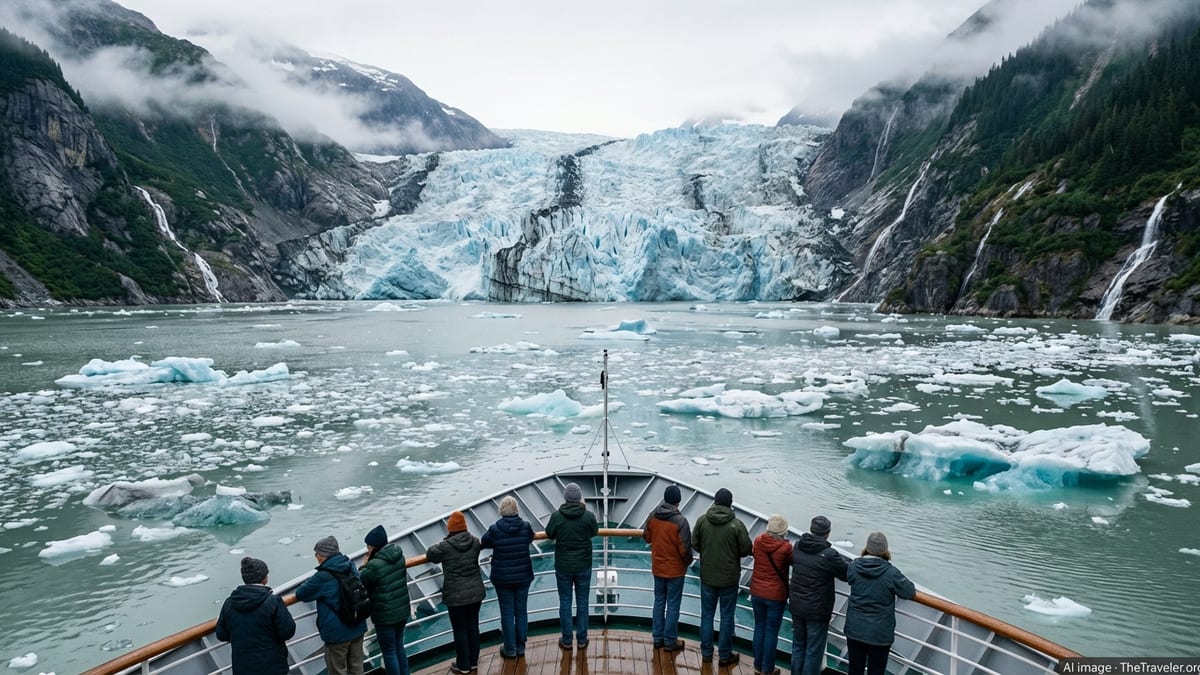
In Alaska, a cluster of vast national parks sees modest visitor numbers compared with their size and ecological significance. Media coverage notes that even Denali, the state’s best-known park, hosts far fewer people each year than leading parks in the Lower 48, while several remote Alaska parks record only tens of thousands of annual visitors. For experienced hikers and paddlers, these landscapes provide rare opportunities for multi-day trips with little chance of encountering large crowds.
Travel reporting also draws attention to newer national monuments in the desert Southwest, including Baaj Nwaavjo I’tah Kukveni in northern Arizona and Avi Kwa Ame in Nevada. Both sites were designated in 2023 to preserve cultural landscapes and wildlife habitat across hundreds of thousands of acres. While they lack the visitor centers and paved-loop infrastructure common in long-established national parks, they offer expansive views, dark skies and quiet backroads within driving distance of heavily visited destinations such as Grand Canyon National Park and Lake Mead National Recreation Area.
Economic and Cultural Shifts Behind the Trend
Analysts link the growing interest in secondary parks to broader travel and economic patterns. A 2026 tourism report presented to the US Congress described how outdoor recreation rebounded strongly after the pandemic, with many households seeking domestic road trips instead of long-haul international flights. Coupled with higher airfares and inflation affecting lodging near popular parks, this shift has encouraged travelers to explore destinations within a day’s drive of home.
Industry observers note that social media has accelerated the discovery of lesser-known parks. Short videos highlighting quiet lookouts, uncrowded hot springs or wildlife encounters in small state parks often reach millions of viewers within days. However, unlike earlier waves of viral exposure that concentrated on a few iconic vistas, current coverage spreads attention across dozens of regional parks, from Midwestern lakefronts to Appalachian gorges.
The expansion of the federal conservation portfolio has also diversified traveler options. In addition to new national monuments in Arizona and Nevada, recent years have seen redesignations and boundary changes across the National Park System, creating more historical parks and memorials and elevating once-obscure sites into national headlines. As guidebook publishers update maps and itineraries, these additions are gradually making their way onto road trip routes and tour company brochures.
Local communities surrounding underrated parks are responding with small-scale tourism investments such as independent lodges, trailhead shuttle services and seasonal food trucks. Stakeholders in these areas often frame the aim as balancing economic benefits with protection of the landscapes that make their towns attractive, in contrast to the large-scale resort development that has reshaped some famous gateway communities.
Planning a Quieter Park Escape
For travelers looking to avoid packed shuttle buses and full parking lots, recent reporting suggests several strategies that favor underrated parks. One recurring recommendation is to start with a desired ecosystem or activity, then search for state or regional parks that offer similar conditions close to home. A hiker drawn to high-elevation wildflower meadows, for example, might compare national park trail guides with state-park maps in adjacent mountain ranges.
Another emerging approach is to pair a brief stop at a headline park with longer stays in surrounding state parks, national forests or newly designated monuments. Visitors to the Grand Canyon region, for instance, increasingly combine time on the South Rim with backroad camping or hiking in nearby protected areas that share the same geologic story but see lighter daily traffic.
Travel experts also encourage checking official state and federal park dashboards for up-to-date information on visitation trends, trail conditions and seasonal closures. Publicly available statistics from the National Park Service and state agencies allow visitors to identify parks where visitation is rising but still moderate, offering a window of opportunity before they appear on the busiest destination lists.
As summer and fall travel seasons approach, the growing interest in underrated parks is likely to remain a prominent storyline in US tourism. With thousands of state and lesser-known federal sites sharing landscapes once associated only with flagship national parks, travelers have more options than ever to find quiet corners of the American outdoors.