


More news on this day
Arctic expedition cruising is moving rapidly into the mainstream for 2028, with Aurora Expeditions and four other operators unveiling small-ship journeys across Svalbard, Greenland and Iceland that point to a new era of high-latitude adventure travel.
Get the latest news straight to your inbox!
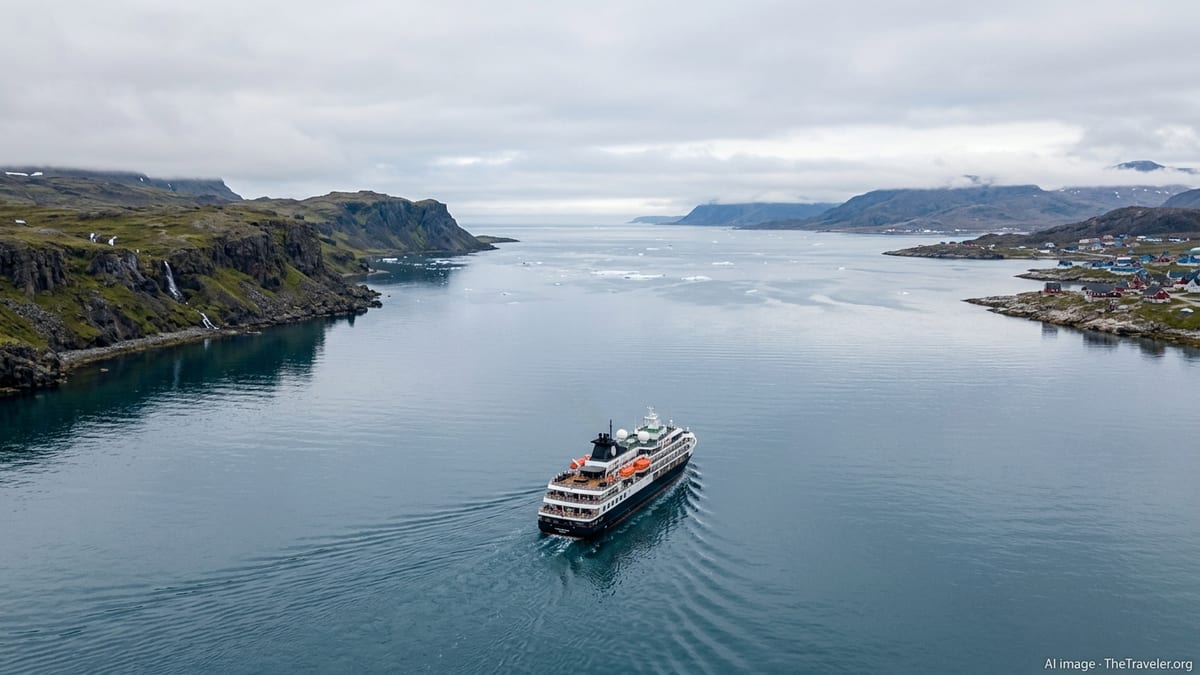
Aurora Expeditions Extends Its Arctic Playbook Toward 2028
Aurora Expeditions, long known for its polar-focused itineraries, is steadily extending its voyage calendar deeper into the second half of the decade, signaling that Arctic cruising will remain a core growth market. Its current schedules already run through 2027 and showcase a portfolio of sailings in Svalbard, East Greenland and Iceland, including routes such as Svalbard Odyssey, Greenland and Iceland combinations and longer North Atlantic crossings. Publicly available material highlights the continued use of purpose-built expedition ships like Greg Mortimer and Sylvia Earle, vessels designed to navigate ice-strewn waters while keeping passenger counts relatively low.
Recent Aurora publications on its 2027 and 2027–28 polar seasons emphasize itineraries that link classic wildlife hotspots with emerging routes focused on climate and culture. That template is expected to carry through to 2028, with voyages that connect Svalbard’s polar bear habitat to West Greenland’s fjord systems and Iceland’s volcanic coastline. The mix of fly-cruise logistics, activity-heavy programs such as sea kayaking and hiking, and specialist-led lectures indicates that the company sees demand not only for scenic cruising but also for deeper scientific and environmental engagement.
Industry observers note that Aurora’s steady expansion into multi-week itineraries, including Northwest Passage crossings and combination voyages touching Greenland and Iceland, is likely to influence how competitors shape their own 2028 offerings. As capacity on small ships remains limited, the early release of dates several years ahead is being interpreted as a move to capture travelers who now plan complex expedition journeys four or more years in advance.
Atlas Ocean Voyages Targets the High North in 2028
One of the clearest indicators of how pivotal 2028 has become for Arctic travel comes from Atlas Ocean Voyages. The line recently detailed a dedicated Arctic expedition season across the “High North,” with itineraries specifically highlighting Svalbard, Greenland, Iceland and the Canadian Arctic. According to the company’s published announcements, the season will feature a mix of classic wildlife-focused routes and exploratory voyages linking multiple Arctic regions within a single journey.
The Atlas program underscores a broader trend toward longer, more complex sailings that traverse several national jurisdictions in one itinerary. Greenland’s vast fjord networks, Iceland’s remote Westfjords and Svalbard’s high-latitude wilderness appear side by side in the planning, creating what the company describes as a layered experience of ice, tundra and volcanic landscapes. This reflects growing traveler interest in seeing a cross-section of the circumpolar north rather than focusing on a single archipelago.
Atlas is positioning its 2028 season as part of a wider shift toward premium but highly active expedition cruising. While details such as individual shore landings are subject to weather and ice, the inclusion of Zodiac operations, guided hikes and close-up glacier viewing is standard across the portfolio. Analysts note that by locking in Arctic capacity into 2028, Atlas joins a select group of operators effectively “staking claims” to prime summer windows in high-demand regions like Svalbard and East Greenland.
Polar Latitudes and HX Expand Choice in Svalbard and Greenland
Smaller specialist operators are also moving decisively into the 2028 Arctic season. Polar Latitudes, best known for its Antarctic work, has now confirmed an Arctic 2028 program featuring voyages across Svalbard, Greenland, Iceland, Jan Mayen and Arctic Norway. Trade coverage of the launch points to a lineup ranging from concise Svalbard sailings to multi-destination routes such as a new 10-day “Norway’s Wild North: Lofoten to Svalbard,” designed to link coastal Norway with the wildlife-rich High Arctic aboard Ocean Albatros.
The Polar Latitudes program is notable for its emphasis on wildlife and wilderness rather than city-based cruising. Shorter Svalbard itineraries cater to travelers looking for concentrated opportunities to see polar bears and pack ice, while longer sailings that fold in Greenland and Iceland appeal to those seeking a more comprehensive Arctic overview. The announced 2028 season suggests that traditional Antarctic specialists increasingly view the north as an equal pillar of their long-term operations.
HX Expeditions, the expedition-focused brand that evolved from Hurtigruten’s adventure division, is similarly positioning 2027–28 as a breakthrough period. Company materials describe expanded options in Greenland and Svalbard, including shorter, more accessible voyages and multiple departure points. By emphasizing flexible lengths and a variety of routes, HX aims to attract both first-time expedition guests and returning travelers who may already have visited Antarctica and are now looking north.
Observers point out that the HX approach, with relatively larger expedition ships and a broad range of cabin categories, could help ease price pressure in a market often associated with high per-diem costs. The brand’s decision to frame 2027–28 as offering its “best voyages yet” in Greenland and Svalbard signals confidence that Arctic demand will be strong through 2028 and beyond, especially among travelers from Europe and North America.
Lindblad Expeditions and Viking Scale Up Multi-Week Arctic Routes
At the more established end of the expedition spectrum, Lindblad Expeditions and Viking are refining their Arctic calendars in ways that directly impact 2028 planning. Lindblad’s latest expedition calendar shows a growing roster of itineraries spanning Iceland, East Greenland, Svalbard and the Norwegian coast, packaged under titles such as Iceland and Greenland: Edge of the Arctic, Iceland’s Wild West Coast to East Greenland and Svalbard: In Search of Iconic Arctic Wildlife. These programs extend into the late 2020s and are built around the National Geographic-branded fleet.
Lindblad’s model relies heavily on multi-week voyages, sometimes stretching to two or three weeks, that connect multiple Arctic regions. The focus is on in-depth exploration, with time allotted for Zodiac operations, landings and photography, as well as educational programming. Travel advisors following the company’s updates note that these itineraries are already charted through 2028 in planning documents, underscoring the long lead times now common in the polar sector.
Viking, which has spent the past several years growing its expedition fleet, has formally opened bookings for its 2028–2029 expedition voyages, including Arctic sailings. The company’s published information confirms that additional departure dates have been added for its most popular polar routes, reflecting consistently strong bookings on earlier seasons. For Arctic travelers, this means a broader choice of dates for itineraries that typically combine elements of Greenland’s coastal settlements, Icelandic ports and occasionally the Canadian Arctic and Svalbard.
The simultaneous scaling up by Lindblad and Viking points to a maturing market where expedition cruising is no longer a niche reserved for a handful of specialists. With more ships and dates in circulation for 2028, travelers are likely to see greater variation in price points, ship styles and activity levels, from science-driven programs to more comfort-oriented voyages.
What 2028 Arctic Itineraries Mean for Future Polar Travel
The collective moves by Aurora Expeditions, Atlas Ocean Voyages, Polar Latitudes, HX Expeditions, Lindblad and Viking suggest that 2028 will be a pivotal year in the evolution of Arctic tourism. Across Svalbard, Greenland and Iceland, itineraries are shifting from simple point-to-point voyages to complex regional networks that weave together wildlife viewing, climate narratives and cultural encounters with Indigenous communities in Greenland and northern Canada.
Industry reporting indicates that travelers are booking these cruises earlier and seeking more specialized experiences, whether that means photography workshops on Svalbard’s ice edge, extended kayak programs in Greenland’s fjords or circumnavigation-style voyages around Iceland. Operators are responding by publishing expedition calendars several years in advance, offering early-booking incentives and investing in new ships or retrofits optimized for ice and sustainability.
For destinations, the rise of 2028 Arctic cruising brings both opportunities and challenges. Smaller ports in Greenland and Iceland, along with communities in Svalbard, may benefit from a more predictable flow of visitors on small, expedition-style vessels that focus on guided shore landings rather than mass tourism. At the same time, local stakeholders and regulators are expected to keep a close eye on cumulative environmental impacts, with growing attention on emissions standards, wildlife disturbance and the management of sensitive landing sites.
As the Arctic becomes one of the defining frontiers of late-decade travel, the 2028 programs emerging today offer a preview of how high-latitude tourism might look in the 2030s: more varied, more educational and more closely tied to the story of a rapidly changing polar environment. For travelers planning far ahead, the latest slate of Svalbard, Greenland and Iceland cruises represents both a rare adventure and an early window into the future of expedition cruising.