


More news on this day
Travel across northern Europe was heavily disrupted today as Copenhagen Airport recorded 151 delayed flights and three cancellations involving SAS, Ryanair, KLM and British Airways, affecting key routes to London, Paris, Amsterdam, Frankfurt and Istanbul.
Get the latest news straight to your inbox!
Ripple Effects Across Major European Hubs
Operational data and live flight tracking for Copenhagen Airport on June 14 indicate an unusually high volume of late departures and arrivals on some of Europe’s busiest city pairs. Services linking the Danish capital with London, Paris, Amsterdam, Frankfurt and Istanbul showed clusters of delays, with a smaller number of outright cancellations.
The disruption has been most visible on short haul links that normally operate at high frequency throughout the day. London services used by both leisure travelers and business commuters saw repeated knock-on delays as late inbound aircraft pushed back subsequent departures. Similar patterns were visible on Amsterdam and Frankfurt rotations, key gateways for long haul connections.
Routes to Istanbul and Paris, which typically rely on tight turnaround times at both ends, also experienced extended ground holds and arrival delays. Publicly available schedules show some aircraft remaining on the ground significantly longer than planned, compressing the operating day for airlines and heightening the risk of further slippage as operations progress.
As delays accumulated, passengers connecting onward from Copenhagen to the rest of Scandinavia and continental Europe faced missed links and rebookings, straining available seats on remaining flights and adding pressure to airline support channels.
How SAS, Ryanair, KLM and British Airways Were Affected
According to aggregated flight movement data, Scandinavian carrier SAS accounted for a substantial share of the disruption, reflecting its role as the dominant operator at Copenhagen Airport. The airline recorded numerous late departures on intra European routes, including services to London and Frankfurt, which serve as important feeders into wider alliance networks.
Ryanair, which serves Copenhagen from select European bases, was also impacted, particularly on London services and other point to point routes where even a single late rotation can cascade across the day. Low cost operations are built around rapid turnarounds, so extended ground times in Copenhagen can quickly reverberate through the airline’s schedule.
KLM’s Amsterdam hub flights, a critical link for Danish passengers heading to long haul destinations, showed measurable delays in both directions. Even moderate disruption on the Copenhagen Amsterdam corridor can translate into missed long haul departures from the Netherlands, forcing rebookings and overnight stays for affected travelers.
British Airways services between Copenhagen and London were part of the broader pattern of irregular operations. While the airline typically maintains a relatively small schedule from Denmark compared with SAS, delays on these flights can disproportionately affect passengers with onward connections to North America and other long haul markets.
Passenger Experience: Long Queues and Tight Connections
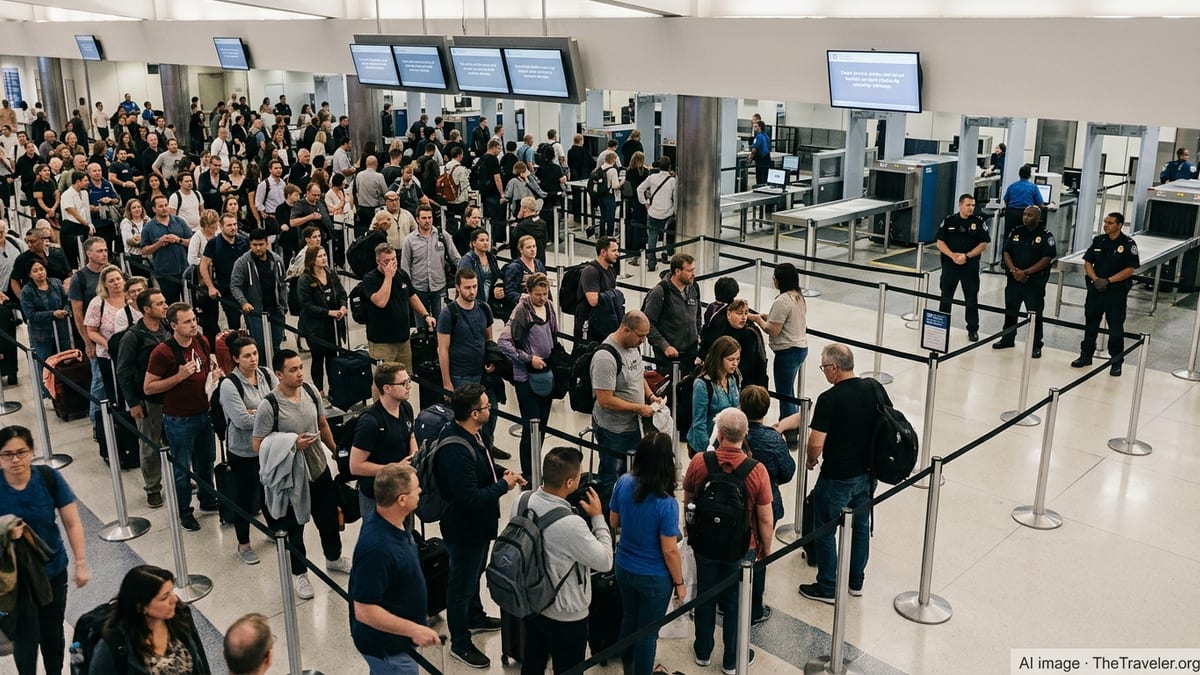
Travelers passing through Copenhagen reported longer than usual queues at check in, security and customer service desks as the day’s disruption unfolded. With departure times shifting repeatedly on information screens, many passengers were left shuttling between gates, attempting to keep track of revised boarding times while also monitoring their connecting options.
Missed connections became a particular concern for those using Copenhagen as a transfer point to other Nordic cities and regional European destinations. When key flights to London, Amsterdam, Frankfurt and Istanbul depart late or arrive behind schedule, even a small delay can erase the buffer that usually protects tight connections.
Publicly accessible flight tracking and compensation advisory platforms highlighted the potential for affected passengers to seek assistance under European passenger rights rules. In many cases, delays exceeding three hours on flights operated by European carriers or departing from an EU or EEA airport may qualify for assistance, depending on the cause of the disruption and the specific circumstances of each journey.
However, the immediate impact for many travelers was practical rather than legal: rearranging meetings, hotel stays and ground transport at the last minute as arrival times slipped further into the evening.
Operational Strain on Copenhagen as a Nordic Hub
Copenhagen Airport functions as one of northern Europe’s most important hubs, handling heavy traffic for Denmark and for neighboring Sweden and Norway. When operations tighten at this single point, the knock on consequences are felt across the region, particularly on short haul and regional services that depend on punctual flows of inbound aircraft.
Historical punctuality statistics for Copenhagen show that large carriers such as SAS, KLM, Ryanair and British Airways generally maintain relatively high completion and on time rates. The scale of delays recorded today therefore stands out as a marked deviation from typical performance rather than a continuation of chronic schedule problems.
Airlines operating at the airport must balance aircraft availability, crew working time limits and gate capacity when responding to such a spike in irregular operations. Options can include consolidating lightly booked services, swapping aircraft types, or rerouting traffic via other hubs in a bid to stabilize the schedule.
For Copenhagen itself, any sustained period of irregular operations raises questions about capacity planning and the resilience of ground handling, air traffic management and terminal infrastructure, particularly during peak summer travel periods when margins are already tight.
What Travelers Across Denmark and Europe Should Expect Next
Published coverage of recent disruption patterns suggests that recovery from a day with more than 150 delayed flights and several cancellations can take multiple rotations to unwind. Even if schedules appear closer to normal by the following morning, aircraft and crews may still be out of position, causing pockets of lingering delay.
Passengers traveling over the next 24 to 48 hours on SAS, Ryanair, KLM or British Airways from Copenhagen are likely to face schedule adjustments, minor timing changes or aircraft swaps as airlines work to reset operations. Those with tight connections in London, Paris, Amsterdam, Frankfurt or Istanbul may need to monitor their itineraries closely and build in additional buffer time where possible.
Consumer rights organizations frequently recommend keeping boarding passes, booking confirmations and records of any extra expenses incurred during disruption, in case later claims for assistance or compensation are appropriate. Even when airlines restore operations relatively quickly, claims processes can extend for weeks or months after the event.
As northern Europe moves deeper into the busy summer travel season, the latest turmoil at Copenhagen Airport serves as a reminder that even well regarded hubs are vulnerable to sudden spikes in disruption. For travelers across Denmark and the wider region, real time information, flexible planning and awareness of their rights remain key tools when schedules unravel.