


More news on this day
More than 180 flights were delayed at Tampa International Airport as strong storms moved across Central Florida, disrupting air travel schedules and forcing hundreds of passengers to wait out the weather.
Get the latest news straight to your inbox!
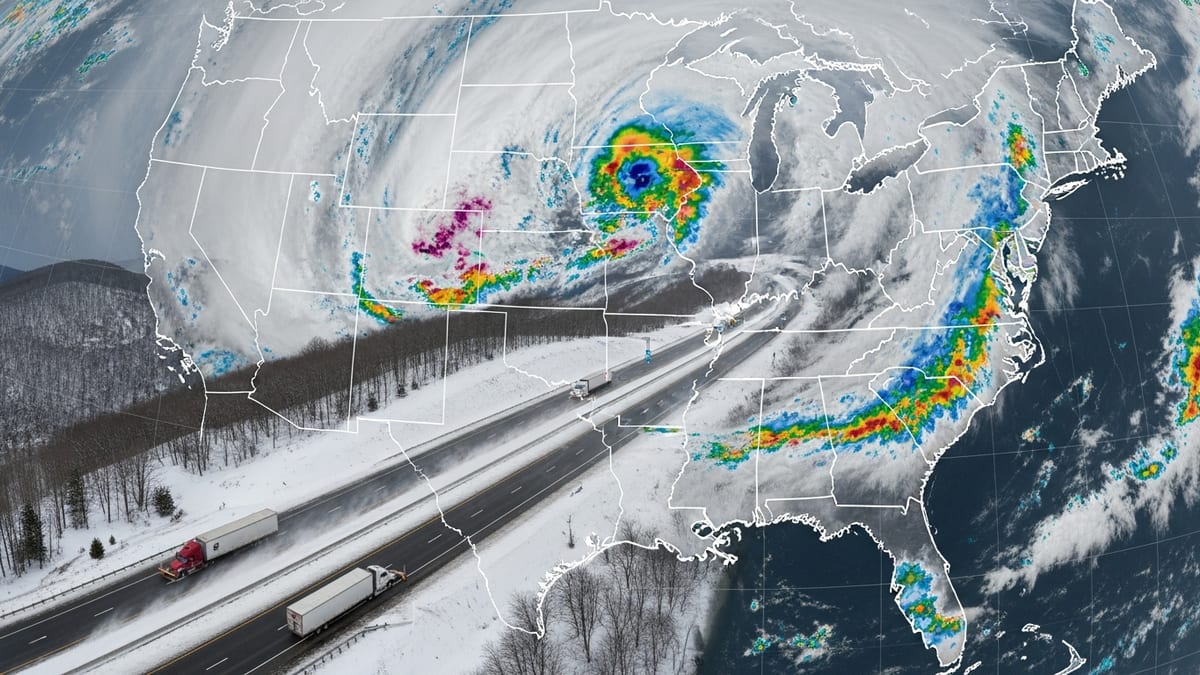
Storm System Brings Heavy Rain and Thunderstorms
Publicly available flight tracking data for Tampa International Airport shows a sharp spike in delays after a band of intense thunderstorms pushed through the Tampa Bay region, bringing heavy rain, gusty winds and frequent lightning. The unstable conditions limited safe takeoffs and landings, slowing the flow of aircraft into and out of the airport.
According to published coverage from regional outlets, the weather system developed quickly during peak travel hours, compounding its impact on operations. As storm cells repeatedly passed over the area, controllers and airlines adjusted departure and arrival rates to maintain safety, which in turn extended wait times for both departing and incoming flights.
Weather patterns like those affecting Tampa are common during the warm season in Florida, when humid air collides with sea breezes to produce fast-building storms. Aviation data and meteorological analyses indicate that such convective systems rank among the leading causes of short-notice delays at airports across the southeastern United States.
Radar imagery and regional forecasts cited in news coverage indicated that the strongest cells brought reduced visibility and low clouds around the time delays peaked, conditions that typically trigger tighter spacing between aircraft, further reducing airport capacity.
Delays Ripple Across Airlines and Routes
Data compiled from major flight-tracking platforms shows that the disruption affected a broad range of domestic and limited international routes, from short-haul hops within Florida to longer flights to the Northeast and Midwest. The total number of delayed departures and arrivals at Tampa International climbed past 180 as carriers adjusted their schedules while the storm line stalled over the region.
Reports indicate that some flights faced relatively short holdups at the gate, while others remained delayed for several hours as aircraft waited for improved weather or inbound crews. The combination of weather-related air traffic control programs and earlier schedule congestion meant that even modest delays in the Tampa area could cascade into missed connections at larger hubs.
On busy travel days, Tampa International functions as a key origin and destination airport for leisure and business travelers along Florida’s Gulf Coast. Travel industry analysts note that when storms disrupt operations at airports like Tampa, the resulting schedule changes can spread quickly through airline networks, affecting travelers in cities far beyond the immediate impact zone.
Available performance summaries for recent storm events across Florida show similar patterns, with delays concentrated at peak hours and airlines working through backlogs into the evening as weather gradually improves.
Passenger Experience: Long Lines and Shifting Plans
Accounts shared on social media platforms and in local news segments describe crowded departure halls, long customer service lines and travelers anxiously monitoring screens as estimated departure times shifted throughout the day. Some passengers reportedly missed connections at hubs such as Atlanta, Charlotte and Dallas after delayed departures from Tampa narrowed or eliminated their planned transfer windows.
Publicly available information shows that, in many cases, airlines responded by automatically rebooking passengers on later flights when connections became impossible. However, limited remaining seat capacity on popular routes meant that some travelers had to accept significant changes to their itineraries, including overnight stays or routing through alternate airports.
Travel advisors often recommend that passengers build extra time into their plans during periods of unsettled weather, particularly in regions like Florida where afternoon thunderstorms are common. For those affected by the latest disruption in Tampa, early-morning departures and nonstop routes tended to be less vulnerable to the rolling delays that developed as the day progressed.
Consumer advocates point out that while airlines typically classify severe weather as outside their control, many carriers provide food vouchers or hotel discounts on a case-by-case basis when delays become extended, even when formal compensation rules are not triggered.
Operational Response and Ongoing Recovery
Operational updates available through airline status pages and aviation monitoring services show that carriers at Tampa International gradually resumed more normal departure and arrival rates as the storms weakened and moved away from the area. Ground crews worked to turn aircraft quickly once lightning risks subsided, while air traffic managers increased arrival flows into the airport.
Published aviation data indicates that some residual delays persisted into the evening as airlines repositioned aircraft and crews displaced by the earlier disruption. In some cases, late-night departures were necessary to clear backlogs and return planes to their intended overnight locations, helping to stabilize schedules for the following day.
Industry analysts note that Tampa’s ongoing infrastructure improvements and modernized airside facilities have generally supported efficient recovery after weather events. However, even well-equipped airports remain constrained when storms reduce visibility, ceiling height or crosswind tolerances, all of which can force temporary reductions in runway use.
Flight performance statistics from previous storm events in Florida suggest that most weather-related disruptions of this scale are resolved within a day, although individual travelers may feel the impact longer if they are rebooked onto heavily traveled routes that are already near capacity.
What Travelers Can Do When Weather Hits Tampa
Travel experts and publicly available guidance from aviation agencies consistently emphasize preparation when flying into or out of storm-prone regions such as Florida. Checking flight status frequently on airline apps, enabling push notifications and monitoring local weather forecasts can provide early warning of potential disruptions similar to those seen at Tampa International.
Advisers suggest that travelers who must connect through another airport consider longer layovers during stormy periods, reducing the risk that a short delay in Tampa will lead to a missed onward flight. When conditions deteriorate, same-day changes to earlier flights or alternate routings can sometimes be made through digital self-service tools, avoiding long queues at airport counters.
For visitors leaving Tampa after cruises or beach holidays, planning to fly home the day after major events or busy weekends can also reduce exposure to congestion-driven delays. Travel insurance policies that cover weather-related interruptions may offer reimbursement for extra accommodation or meals when storms cause extended disruptions.
While the latest round of thunderstorms left more than 180 flights delayed at Tampa International Airport, aviation data and expert commentary indicate that such episodes, though frustrating, are a recurring feature of air travel in a region where fast-changing weather frequently intersects with dense flight schedules.