


More news on this day
Rail crews and emergency contractors are working to clear a freight train derailment site in Regina, where several cars left the tracks and prompted a large-scale cleanup and inspection effort around the line.
Get the latest news straight to your inbox!
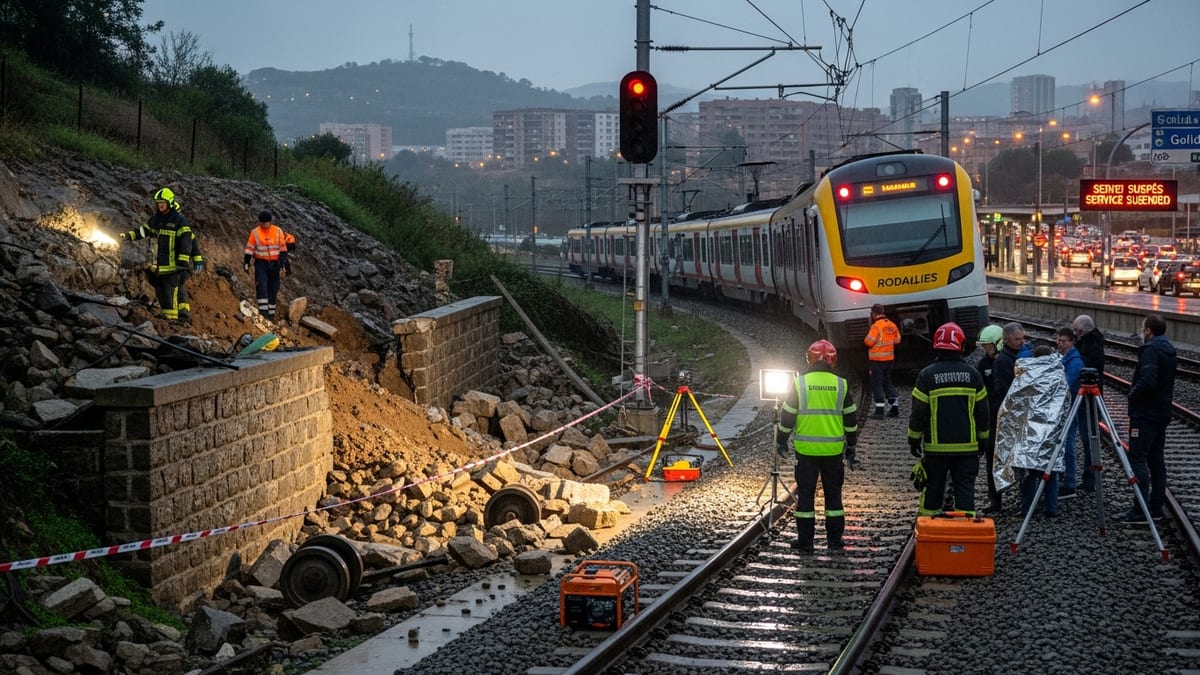
Stabilizing derailed cars and damaged track
Published coverage indicates that multiple freight cars derailed on a line in Regina, scattering rail equipment and cargo along the right of way and damaging a section of track. Initial response focused on securing the area, confirming there were no serious injuries and checking that hazardous materials were not leaking from any cars involved.
Specialized rail recovery teams have since moved into the corridor with cranes, heavy loaders and purpose-built wrecking equipment to stabilize the affected railcars. In some cases, crews are reportedly rolling damaged cars away from the active tracks or cutting them into sections so they can be lifted onto flatbed trucks and removed from the site.
Track specialists are also working along the ballast where wheels left the rails, removing bent rail, broken fasteners and damaged ties. Once debris is cleared, the rail bed is being regraded and compacted so new track can be installed. In many derailments, this phase is completed quickly to reopen the line, while longer-term repairs to surrounding land and infrastructure continue in the background.
Environmental checks and material recovery
According to regional news reports, the derailed consist in Regina included freight cars carrying bulk commodities, which have spilled in some areas along the right of way. Cleanup contractors are collecting the material, transferring what can be salvaged into replacement cars or trucks, and preparing the remainder for proper disposal.
Publicly available information shows that environmental crews are testing soil and nearby drainage for signs of fuel or cargo-related contamination. Even when no hazardous materials are confirmed, standard procedure involves monitoring for hydrocarbons from locomotive fuel and lubricants, as well as fine particulates that can wash into storm systems during heavy rain.
Where ground disturbance is significant, topsoil may be removed and stockpiled while the underlying ballast is renewed. Once the rail corridor is stable and safe, the soil can be replaced and reseeded to limit erosion along the embankment. This type of phased cleanup is common around Canadian freight derailments in recent years, particularly where tracks run close to wetlands, sloughs or urban drainage channels.
Impact on rail traffic and local travel
The derailment has disrupted freight operations through the Regina area while crews work around the clock to reopen at least one track. Rail operators typically prioritize restoring a single usable line so that time-sensitive trains can begin moving again, even as full repairs continue on adjacent infrastructure.
Travelers and residents may encounter intermittent road closures near the site as cranes and low-bed trucks maneuver heavy equipment and recovered railcars. Detours for local traffic are often adjusted over the course of a cleanup, depending on which access points crews need on a given day.
Passenger travel impacts depend on the exact routing of regional services. In past derailments on similar corridors, bus substitutions or temporary schedule changes have been used until rail lines are confirmed safe, inspected and handed back from cleanup contractors to rail operations teams.
Safety reviews and next steps
While the immediate focus remains on physical cleanup, the Regina derailment is also expected to prompt a closer look at track conditions, train handling and inspection protocols along this section of line. National databases and previously documented incidents show that factors such as track defects, extreme temperature swings, equipment failure and operating practices can all play a role in freight cars leaving the rails.
In the weeks ahead, rail engineers are likely to review data from the train’s recorders, recent inspection logs and any available track geometry measurements from the corridor. Insights from those records help determine whether additional maintenance, speed adjustments or infrastructure upgrades are warranted in the Regina area.
For nearby communities and travelers, the visible signs of the derailment are expected to diminish as damaged cars are removed and new rail is laid. However, follow-up environmental monitoring and technical investigations typically continue long after the last piece of wreckage is hauled away, helping shape future safety measures along one of the region’s key freight routes.