


More news on this day
The United Kingdom has widened its travel warning for Saudi Arabia, newly advising against all but essential trips to Riyadh province following a series of deadly attacks on airports serving the capital and other cities, sharpening already strict guidance for travel across parts of the Middle East.
Get the latest news straight to your inbox!
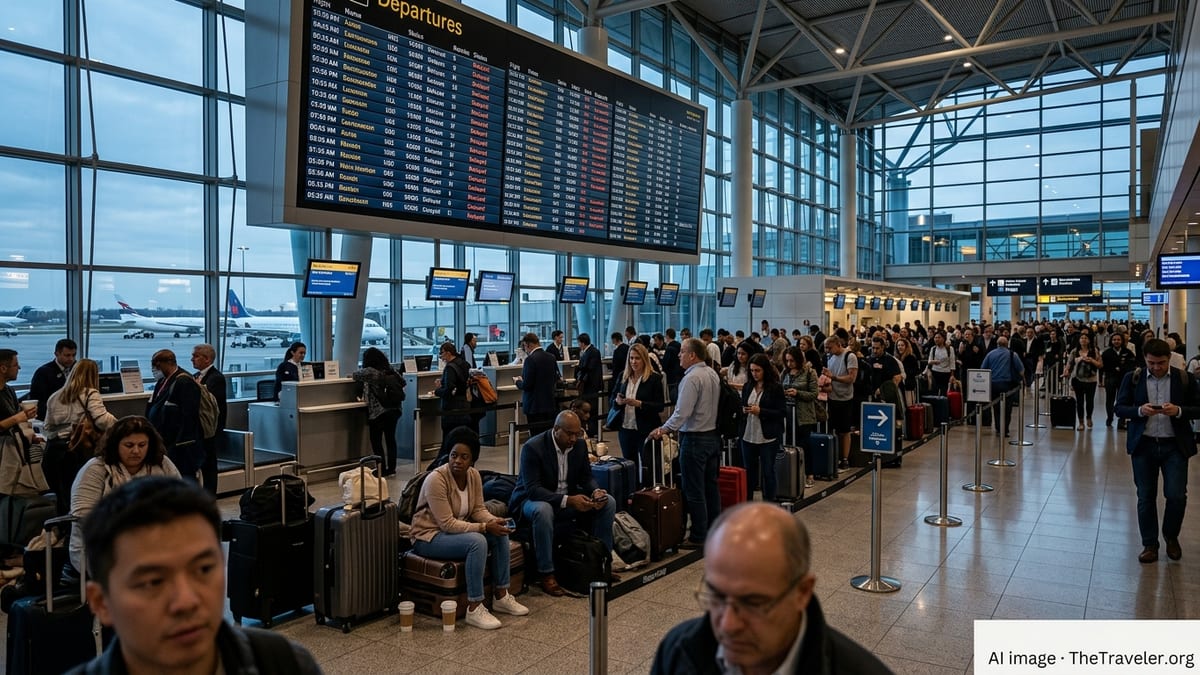
What the new UK advice says about Riyadh and Saudi Arabia
Updated guidance from the UK Foreign, Commonwealth and Development Office now advises against all but essential travel to Riyadh province, which includes the Saudi capital, alongside Aseer and Najran in the south, Jizan on the Red Sea coast, and Taif city and Taif International Airport. The advice is framed as a regional restriction rather than a blanket instruction to avoid Saudi Arabia altogether, but it marks the first time Riyadh province has been covered by such stringent wording.
The same official travel advice continues to warn against all travel to areas within 10 kilometres of the border with Yemen. That long-standing restriction reflects years of cross-border missile and drone activity linked to Yemen’s Houthi movement and separate security operations in Saudi Arabia’s south.
The updated language brings Saudi Arabia into line with a wider pattern of heightened Middle East advisories. Collated government and industry advisory summaries show Saudi Arabia now listed as a country where the UK advises against all travel to some areas and against all but essential travel to others, while the United States maintains a Level 3 “Reconsider travel” advisory for the kingdom as a whole, citing terrorism, regional tensions and the risk of missile and drone attacks.
For UK travellers, the distinction between “advise against all travel” and “advise against all but essential travel” matters. Travel insurers and tour operators frequently treat both categories as red lines for leisure trips, meaning policies can be withdrawn or become invalid if customers choose to travel against Foreign Office advice, even if flights and hotels continue to operate.
Airport attacks and rising regional tensions
The shift in UK guidance follows a series of recent attacks on Saudi aviation infrastructure that have focused attention on the vulnerability of major travel hubs. According to regional and international media coverage, Houthi forces based in Yemen have claimed repeated drone and missile strikes on Riyadh’s King Khalid International Airport and on Abha airport in Aseer province, part of a wider campaign linked to tensions involving Iran, Saudi Arabia and the United States.
Reports compiled on 8 and 9 October describe at least two attacks on Riyadh’s main airport in a single day, with three Saudi nationals killed, including a Saudia pilot, and more than thirty people injured. Coverage indicates that Abha airport has also been targeted in recent days, with damage to terminal buildings and aircraft on the ground. The incidents have underscored past warnings that civilian airports and associated infrastructure are potential targets during spikes in regional confrontation.
The United States has updated its own security posture in response. The latest advisory information indicates that US government employees now require special authorisation to use King Khalid International Airport in Riyadh, adding to earlier guidance about potential disruption and the need to monitor local media. The underlying State Department travel advisory for Saudi Arabia remains at Level 3, urging travellers to reconsider trips because of terrorism, armed conflict, exit bans and local law considerations.
Canadian travel advice has also been tightened in recent months. Publicly available guidance from Canada lists Saudi Arabia among countries where non-essential travel should be avoided due to regional instability, travel disruption and the potential for further attacks on civilian targets.
Implications for travel across the wider Middle East
The change in advice for Riyadh sits within a broader recalibration of official guidance for travel across the Middle East in 2026. Several governments have issued regional security alerts warning of a higher risk of hostilities affecting countries from the Gulf to the Levant, with particular concern about Iranian missile and drone activity and spillover from conflicts involving non-state armed groups.
For UK travellers, the Foreign Office now advises against all travel or all but essential travel to parts of multiple states in the region, including Bahrain, Kuwait, Qatar, the United Arab Emirates and sections of Israel, Lebanon and Iraq, alongside areas of Saudi Arabia. Maps and summaries produced by travel-security consultancies show a patchwork of restrictions that vary sharply by country and even within national borders, with some capital cities under tighter scrutiny while resort areas or interior regions remain open on paper.
Despite the tougher advisories, major Gulf hubs such as Dubai, Abu Dhabi and Doha continue to function as primary transit points for long-haul travel between Europe, Asia and Australasia. Recent consumer travel reporting notes that flights through these hubs remain busy, even as governments recommend that travellers be prepared for schedule changes, refuelling diversions and temporary airspace closures should regional tensions escalate further.
For Saudi Arabia specifically, the combination of UK, US and Canadian guidance places the country among those where travellers are urged to conduct detailed risk assessments before departure. Travel industry briefings circulated to corporate clients in mid-2026 highlight Saudi Arabia, alongside states such as Oman and Jordan, as destinations where business travel is continuing but where companies are updating contingency plans, tracking staff movements and reviewing insurance cover more frequently than in previous years.
Practical steps for travellers with Riyadh or the region on their itinerary
For leisure visitors and business travellers alike, the latest advice has immediate practical consequences. Airlines and tour operators typically monitor Foreign Office advisories closely, and some package providers have indicated in public updates that customers booked to Riyadh, Taif or the affected southern provinces may rebook, reroute or cancel if their trips fall into areas now covered by “all but essential travel” warnings. Individual airline policies vary, so passengers are encouraged to check the most recent updates for their specific carrier and route.
Travel insurers in the UK often state in their policy documents that cover may not apply if a customer travels to a destination where the Foreign Office advises against all but essential travel. Industry notices circulated since the March 2026 escalation in the wider Middle East suggest that claims related to trips starting after such advisories are issued may be declined, although travellers who booked before the warnings and who decide not to travel may be able to seek refunds from tour operators or airlines instead.
Travellers who decide that their journeys are essential, and who proceed in spite of the advisory, are being urged in publicly available guidance to register contact details with their embassy where such services exist, maintain flexible itineraries and allow extra time at airports in case of additional security checks or temporary closures. In the case of Riyadh, this may include monitoring for short-notice suspensions of flights if further drone or missile activity is reported near the capital.
Those planning multi-stop itineraries through the Middle East are also being advised to examine each segment separately. A routing that includes Riyadh, Jeddah or Dammam alongside transit through Dubai, Abu Dhabi or Doha may be subject to different levels of official caution, airline risk tolerance and insurance coverage at each point, making it important to review the exact airports and dates involved rather than assuming uniform rules for the region as a whole.
How to monitor a fast-moving advisory landscape
The pace of recent updates underlines how quickly travel conditions can shift in response to security events. The UK’s latest change for Riyadh province came just weeks after earlier guidance that had focused more on Saudi Arabia’s southern border areas and on occasional warnings about missile and drone launches without extending “all but essential travel” wording to the capital region.
Specialist travel-risk platforms and mapping tools now provide near real-time overlays of UK, US and Canadian advisories, highlighting that several Middle Eastern countries have seen multiple revisions in 2026 alone. Executive digests prepared for travel managers in June and August emphasise that advisory levels can move without warning in response to individual incidents, such as attacks on airports, cross-border strikes or significant political announcements.
For individual travellers, practical steps highlighted in public guidance include checking official advice on the day of booking and again shortly before departure, registering for email or text updates where available, and keeping records of the exact wording of advisories at the time of purchase in case of later disputes with airlines or insurers. Flexible tickets, refundable hotel rates and comprehensive insurance purchased before any escalation in risk levels can all make it easier to adapt plans if circumstances deteriorate.
With Riyadh now formally added to the list of areas where the UK advises against all but essential travel, anyone considering a trip to the Saudi capital or the wider region faces a more complex planning landscape. Careful attention to evolving official advice and to the small print of airline and insurance policies has become an essential part of preparing for travel across much of the Middle East in late 2026.