


More news on this day
The residential cruise company behind a much publicized "endless" world voyage that abruptly ended in Cambodia this week, stranding hundreds of paying residents, had already endured a turbulent history of delayed promises, ship changes and financial strain before passengers were told to leave with their belongings in the port city of Sihanoukville.
Get the latest news straight to your inbox!
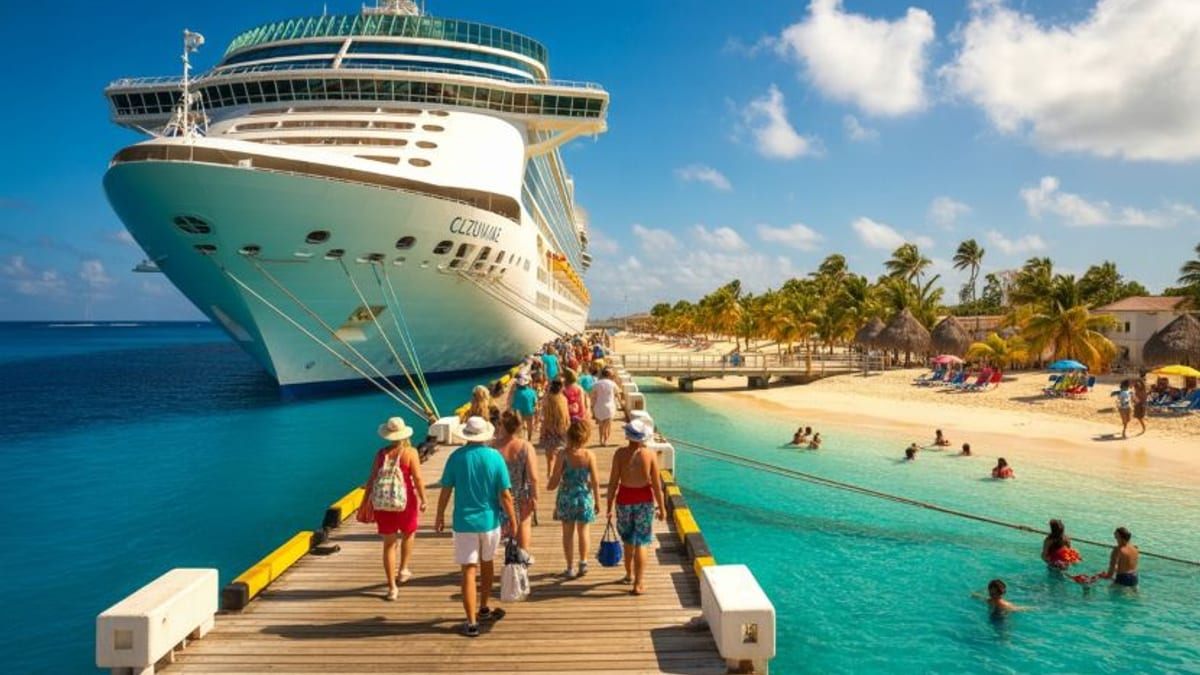
Stranded in Sihanoukville after a three year dream collapses
Reports from Cambodian and international outlets indicate that the MV Odyssey, operated by Florida based Villa Vie Residences, arrived in Sihanoukville on October 28, 2026, where passengers were informed that soaring fuel costs and a lack of funding meant the three year global voyage could not continue. The vessel, marketed as a floating residential community with capacity for around 650 guests, had been promoted as a chance to live at sea while circling the globe.
Coverage from Cambodia and regional media describes more than 200 residents being asked to disembark with their possessions, with the ship subsequently entering lay up at Sihanoukville Autonomous Port. Some passengers were reportedly still ashore on excursions when the decision was announced, complicating efforts to collect belongings before operations were suspended.
Publicly available information indicates that Villa Vie agreed to cover short term hotel stays and limited local transport in Cambodia, but many travelers have been left arranging and paying for complex one way journeys home from Sihanoukville or Phnom Penh on short notice. Air connections from Cambodia to Europe and North America typically route through hubs such as Bangkok, Singapore or Seoul, adding cost and logistical hurdles for older passengers or those traveling with substantial luggage.
Television and online interviews with passengers in the United States and Europe describe retirees who had sold homes or given up long term leases to fund multi year stays on board. Many had expected to remain at sea into 2027 or beyond and now face decisions about where to live and how to recover money paid for cabins and services that will no longer be provided.
A business model exposed by fuel price shocks
Villa Vie Residences pitched its voyage as a comparatively affordable alternative to land based retirement, packaging accommodation, meals and global travel into packages that, according to published promotional materials, were priced well below the cost of premium senior living in major cities. That model depended heavily on predictable long term operating expenses, particularly marine fuel.
In recent weeks, the operator cited what it described as extraordinary fuel price increases across Asian routes, linked by analysts and news coverage to regional instability and shipping disruptions. Reports suggest monthly fuel costs allocated per cabin rose several fold in some ports, outpacing the revenue locked in through multiyear cabin purchase and lease contracts signed when prices were lower.
Specialist maritime and business publications note that the Odyssey is a 1990s era cruise vessel that had already passed through multiple owners before being refitted for residential use. Older ships are typically less fuel efficient than newer tonnage, magnifying the impact of price spikes. That left Villa Vie with rising costs on a ship that could not easily be redeployed to shorter, higher yielding itineraries aimed at mainstream vacationers.
Industry analysts observing the case have pointed to the inherent risk of promising fixed long term pricing on a moving asset highly exposed to volatile inputs such as fuel and port charges. Without hedging mechanisms similar to those used by large cruise conglomerates or major airlines, smaller operators can struggle to absorb rapid cost increases while honoring pre sold contracts.
Warning signs before passengers ever boarded
Publicly available documents and earlier media reports show that the Cambodia incident was not the first time would be residents on an "endless" or multiyear cruise were jolted by corporate problems. Before Villa Vie acquired the ship now sailing as Odyssey, the concept of a long term residential world cruise drew global attention through a separate venture built around a different vessel that never sailed.
In 2023 and early 2024, Life at Sea Cruises, backed by Turkish company Miray, sold cabins on a promised three year global voyage that was ultimately canceled shortly before departure. Passengers told multiple outlets at the time that they had sold property or reorganized their lives based on assurances that a suitable ship would be secured. According to coverage of subsequent legal and regulatory filings, many customers spent months pursuing refunds and disputing whether adequate consumer protections had been in place.
Villa Vie later entered the market with its own residential offering, repositioning the former traditional cruise ship under the Odyssey name. While the ownership and corporate structure differed from the earlier Miray backed project, the two ventures targeted a similar demographic of long term travelers and retirees seeking a sea based lifestyle. For critics and cautious would be residents, the earlier false start in the residential cruise niche served as a warning about the fragility of experimental models in a capital intensive industry.
In online travel communities, some contributors had raised concerns over the financial underpinnings of residential cruising, from the cost of major refits on aging hulls to the challenge of maintaining hotel style services year round on long itineraries through regions with fluctuating port fees. Those discussions intensified again this week as images and firsthand accounts from Sihanoukville circulated.
Resident passengers face financial fallout and legal questions
For passengers left in Cambodia, the disruption is more than an interrupted holiday. Many had signed multiyear agreements for cabins marketed as semi permanent homes, combining upfront purchase prices or long term leases with monthly service fees. Publicly available promotional materials for residential cruises often compare the arrangement to buying a condominium that moves from port to port.
With the voyage halted and the ship in lay up, the future of those contracts is now unclear. Reports in business press and cruise trade media suggest that some passengers are reviewing whether payments were adequately protected under escrow or trust arrangements, and what avenues exist under maritime and consumer law to recover funds if the operator is deemed insolvent or unable to deliver the contracted service.
Legal specialists who have commented in prior cruise industry disputes note that jurisdiction can be complex. Residential cruise companies may be incorporated in one country, manage operations from another and register ships under a flag of convenience in a third. That structure can affect which courts have authority over passenger claims and what financial safeguard requirements apply to deposits and advanced payments.
For now, many residents are documenting expenses incurred in Cambodia and gathering contracts, receipts and correspondence in anticipation of potential group actions. Consumer advocates watching the case argue that the scale of the disruption, combined with the vulnerability of older travelers who invested retirement savings, is likely to draw scrutiny from regulators in key markets where the cruise was sold.
Implications for the future of residential cruising
The events in Sihanoukville arrive as the broader cruise sector continues to rebuild from the pandemic, which led to prolonged suspensions of operations and an extended shutdown of many ships. Mainstream cruise lines have since reported strong bookings, but smaller niche operators remain more exposed to shocks in financing, fuel costs and demand.
Residential cruising, in particular, is still an emerging segment without the scale or diversification of traditional fleets. While the idea of owning or leasing a cabin at sea has attracted enthusiasts, the Cambodia incident and the earlier cancellation of another long term voyage highlight how heavily these projects depend on stable financing, conservative cost assumptions and credible consumer protections.
Industry commentators expect that future ventures in this space may face closer questioning from prospective residents about how deposits are safeguarded, whether operators hedge fuel costs, and what contingency plans exist if a ship must be laid up or sold. Some observers have suggested that residential projects tied to larger, established cruise groups or shipping companies could be better positioned to weather volatility than standalone startups built around single older vessels.
For Cambodia, the arrival of the stalled Odyssey mirrors its experience early in the pandemic, when the country accepted another cruise ship that had been turned away elsewhere in Asia. Local tourism officials are using the unexpected influx of long term travelers to showcase beach destinations around Sihanoukville and the nearby islands. For the stranded passengers, however, the port that offered an emergency berth has also become the end of a much anticipated chapter at sea.