


More news on this day
Newly surfaced internal documents from Villa Vie Residences reveal months of mounting financial strain, unpaid invoices and emergency fundraising attempts before the company’s much-publicized “forever cruise” abruptly ended in Cambodia, stranding more than 200 would-be seagoing residents ashore.
Get the latest news straight to your inbox!
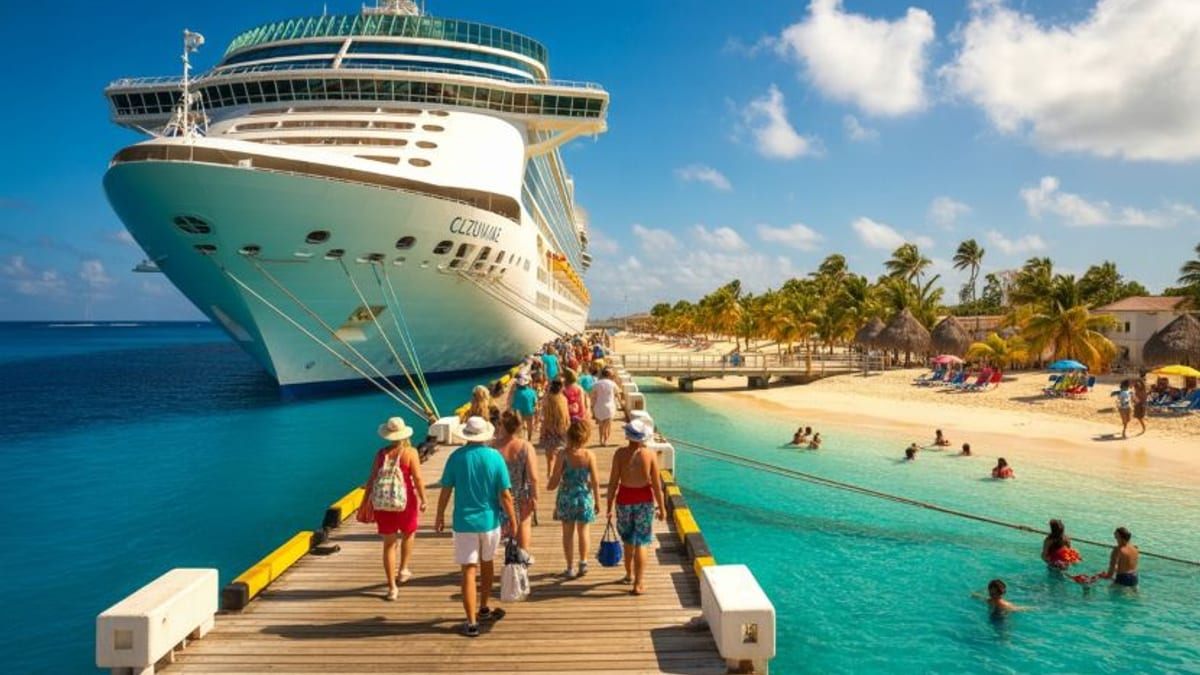
A residential cruise dream unravels in Sihanoukville
The MV Odyssey, operated by Florida-based Villa Vie Residences, had been marketed as a residential, near-endless world voyage, inviting passengers to buy or lease cabins as long-term floating homes while the ship circled the globe. The concept promised stability and community at sea, contrasting sharply with the scenes in late October 2026 at Sihanoukville, on Cambodia’s southwest coast, where residents were instructed to pack up and leave with only hours of notice.
Reports indicate that 203 passengers and more than 150 crew members disembarked after Villa Vie told them it could no longer afford the fuel required to continue sailing. Local coverage from the port city described residents boarding buses into town to search for hotel rooms, unsure whether they would ever return to what, for many, had become their primary home.
In public statements, Villa Vie cited a steep rise in fuel costs in parts of Asia and an unsustainable business model as the reasons for suspending operations while it sought restructuring. However, the documents now coming to light suggest that the company’s financial challenges predated the final spike in costs and that the collapse was the culmination of a longer-running cash squeeze.
Internal records point to unpaid bills and shrinking cabin sales
According to reporting based on internal Villa Vie records, the company entered the second half of 2026 already under heavy financial pressure. The documents describe overdue payments to suppliers, including fuel and provisions, as well as growing concern among managers about the pace of new cabin sales and resales.
One set of records reviewed in recent coverage indicates that as of August 2026, 139 of the Odyssey’s 490 cabins remained unsold. With residential cruises, upfront cabin purchases and ongoing monthly fees are a critical source of liquidity, and the unsold inventory appears to have limited the funds available to absorb cost overruns. Analysts commenting on the sector have noted that residential ships must maintain a high level of occupancy to cover fixed expenses such as fuel, crew salaries, maintenance and port fees.
Accounts from people familiar with shipboard operations suggest that financial strain became visible on board even before the final stop in Cambodia. When the Odyssey reached Vietnam, food deliveries reportedly became an issue after a vendor refused to continue supplying the ship over unpaid invoices, forcing crew to purchase groceries ashore to keep the kitchens running. Those episodes, coupled with repeated calls to residents for additional contributions, pointed to a deepening cash shortfall well before the voyage ground to a halt.
A last-minute scramble to fund fuel and avoid a dead stop
Coverage drawing on emails and internal memos describes a rapid and ultimately unsuccessful attempt in October 2026 to secure enough money to keep the ship sailing. As fuel prices rose well above the levels used in Villa Vie’s original financial forecasts, executives sought new financing partners and asked residents to make extra payments to cover operating costs.
Publicly available information shows that Villa Vie told residents it faced fuel bills that, in certain Asian ports, had climbed to an estimated 6,000 to 8,000 dollars per cabin per month, compared with historical averages around 1,800 dollars. The gap created a funding hole that the company’s existing revenue stream could not fill. Internal records cited in recent investigations outline efforts to arrange bridge funding and explore alternative itineraries that might reduce costs, but those efforts did not yield a solution in time.
By the time the Odyssey arrived off Cambodia’s coast, reports indicate that Villa Vie had exhausted its options. The company announced a suspension of operations on October 27, 2026, informing residents that it intended to pursue a 60-day restructuring process. Passengers were told to disembark in Sihanoukville while the company attempted to secure new capital, with no clear assurance the ship would resume its multi-year journey.
Stranded residents face uncertain futures on land
The sudden halt left a diverse group of residents, many from North America, Europe and Australia, scrambling to find temporary accommodation and onward travel. Some had sold homes, downsized their possessions and structured retirements around the promise of a long-term “forever cruise” lifestyle, only to find themselves unexpectedly marooned in a foreign port.
Reports from Sihanoukville describe residents gathering in hotels and guesthouses across the city while they wait for clarity on refunds, relocation assistance or a potential restart of the voyage. Cambodia’s tourism officials visited the Odyssey at the port in recent days, and local authorities have discussed coordination with cruise representatives and residents, but many practical questions remain unresolved, including how long passengers will need to stay in the country and who will ultimately bear their additional living and travel costs.
Meanwhile, Villa Vie has indicated it plans to seek bankruptcy protection in the United States. Court filings linked to such a process are expected to detail the company’s remaining assets, liabilities and repayment priorities, information that will be crucial for stranded residents trying to recover cabin investments and prepaid fees. Until those documents emerge, many passengers are relying largely on news coverage and informal networks to track the status of the company and the fate of the Odyssey.
A warning sign for residential “live aboard” cruising
The financial collapse of Villa Vie’s model is drawing renewed attention to the risks and complexities of residential cruising, a niche segment of the travel industry that has expanded in recent years. The sector’s most established vessel, the privately owned MS The World, continues to operate with a wealthy ownership base, but newer projects targeted at a broader, less affluent market have encountered repeated difficulties.
In 2023 and 2024, the Life at Sea three-year “live aboard” cruise, operated under a different brand, was canceled before departure after the company was unable to secure a suitable ship, leaving customers seeking refunds on large advance payments. Analysts now view that episode and the abrupt pause of the Odyssey as part of a pattern in which ambitious residential concepts meet the hard realities of high operating costs, volatile fuel prices and the need for sustained, long-term occupancy.
Recent coverage highlights that Villa Vie not only faced rising energy prices but was also preparing for a scheduled 15-day dry dock in early 2027, a maintenance requirement that would likely have added further financial strain. With a significant portion of cabins unsold and ongoing disputes over unpaid invoices, the company had limited room to maneuver when fuel markets tightened.
Industry observers say the Cambodian episode is likely to have a chilling effect on future “endless” or “forever” cruise offerings pitched at middle-income retirees. Prospective residents may now scrutinize operators’ balance sheets, ownership structures and contingency plans far more closely before committing savings or home-sale proceeds to life at sea. For those already stranded, the focus has shifted from dreams of circumnavigating the globe to more immediate concerns about housing, reimbursements and the long journey home.