


More news on this day
Nearly 150 people remain in limbo aboard the expedition cruise ship MV Hondius, where a suspected hantavirus outbreak that has killed three passengers has turned a once-remote adventure sailing into an anxious wait for answers off the coast of West Africa.
Get the latest news straight to your inbox!
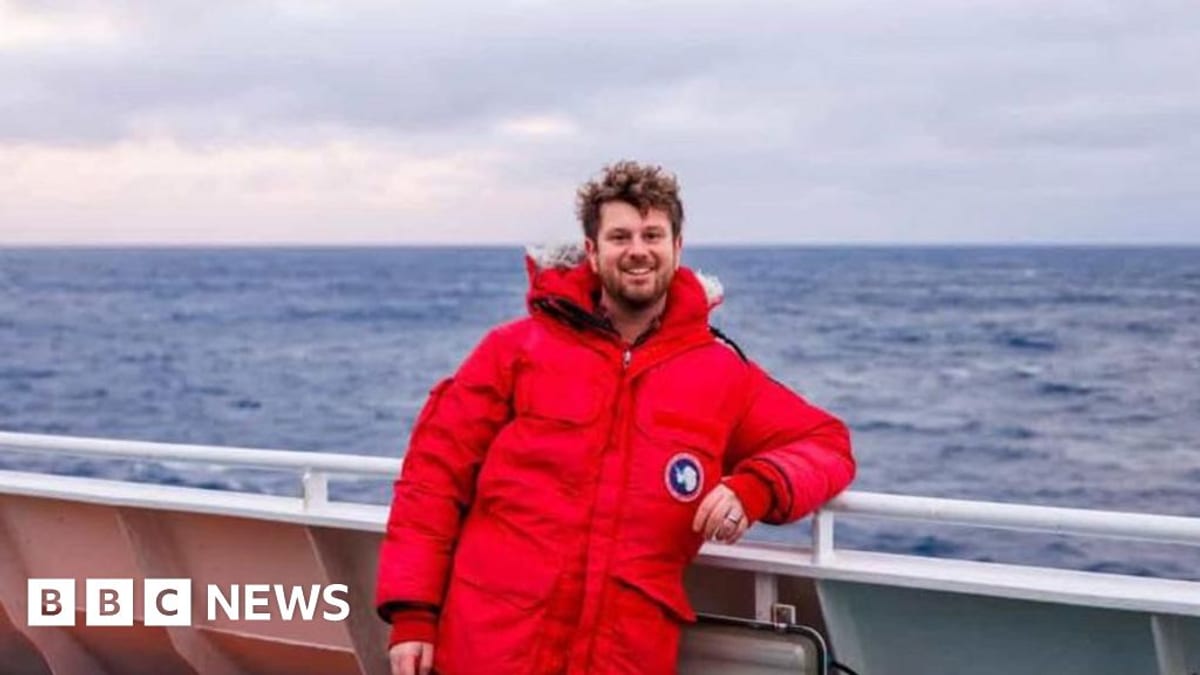
A dream voyage turned medical emergency
The Dutch-flagged MV Hondius had been marketed as a rugged expedition cruise linking South America with the Atlantic islands, a chance for travelers to explore some of the most isolated places on Earth. Publicly available information indicates the ship departed Ushuaia, at the southern tip of Argentina, earlier this year, carrying passengers from more than 20 countries toward Cape Verde and eventually the Canary Islands.
The atmosphere changed in April, when several travelers developed sudden, severe respiratory illness while the vessel was days from the nearest major port. Published coverage indicates the first passenger, a Dutch man, died on April 11, followed within weeks by his wife and a third traveler, a German national, whose symptoms began in late April.
Health agencies later linked at least one case to hantavirus, a rare rodent-borne infection more commonly seen in parts of the Americas. The World Health Organization has reported two confirmed and five suspected infections among those who sailed on the Hondius, including passengers who were later evacuated to shore for treatment.
The ship’s operator, Oceanwide Expeditions, has said publicly that initial evidence points to the virus being contracted before embarkation, potentially during overland travel in South America. However, subsequent assessments by international health experts suggest that limited human-to-human transmission may have occurred among close contacts on board.
Life on eerily quiet decks
As the Hondius rides at anchor off Cape Verde, accounts shared with broadcasters and news outlets describe a vessel that is calm on the surface but marked by a pervasive sense of unease. Video and images obtained by media organizations show largely deserted outer decks, shuttered lounges and passengers spaced out in seating areas that would typically be filled with social activity.
Reports indicate that meal services continue, but with significant adjustments. Buffets have reportedly been replaced by plated service, with staggered seating times to avoid crowding. Passengers describe spending long stretches in their cabins or walking the open decks in small numbers, seeking fresh air while observing distancing guidance from the crew.
According to published interviews, some travelers have spoken of a quiet solidarity forming among those on board, even as they avoid close contact. Messages shared with outlets such as the Associated Press, CNN and AOL highlight efforts by guests to maintain routines, from reading and photography to informal exercise circuits along the ship’s outdoor walkways.
Oceanwide Expeditions has described the mood as composed, stating in public updates that passengers remain generally calm. Yet passenger testimony carried by international media also points to rising frustration and fatigue as the days at anchor lengthen and families ashore await clarity about when their relatives will be allowed home.
Inside tightened health protocols
In response to the suspected outbreak, the Hondius has effectively become a floating quarantine unit. Reports from on board indicate that passengers have been asked to wear masks in indoor spaces, maintain social distance and practice frequent hand sanitizing. Group lectures, communal entertainment and many shore-focused briefings have been curtailed or moved to low-contact formats.
Footage circulated by news organizations shows medical staff in protective gear moving through corridors and transfer points on deck, underscoring the precautionary measures in place. According to publicly available information, temperature checks and symptom monitoring are being conducted regularly, with anyone feeling unwell instructed to remain isolated and report immediately to the ship’s medical team.
Health authorities in Cape Verde requested that the ship remain offshore while investigations unfolded, and subsequent updates from the World Health Organization describe coordination among multiple countries to manage evacuations and contact tracing. Spain has indicated it is prepared to receive the vessel for a comprehensive epidemiological review and disinfection, a step that would also allow full health assessments for those still on board.
The current protocols build on broader post-pandemic guidance that many cruise operators adopted after COVID-19, including upgraded ventilation, enhanced cleaning schedules and contingency plans for isolating cabins. The Hondius incident is now being closely watched as a test of how those measures function when a rare and poorly understood pathogen appears at sea.
Passengers weigh risks, rights and responsibilities
For those confined to the ship, the situation has opened a difficult conversation about expectations when traveling to remote regions. The Hondius is a small expedition vessel by cruise-industry standards, and publicity material for similar itineraries often emphasizes the distance from advanced medical care as part of the adventure.
Some travelers featured in European and North American media coverage have expressed acceptance that remoteness carries medical risk, describing the outbreak as a tragic convergence of bad luck and biology. Others, however, have voiced concern over communication gaps and the length of time it has taken to secure a safe harbor where all passengers can disembark and be fully screened.
Consumer advocates and travel commentators note that the case raises questions about refund policies, future booking guarantees and the duty of care when ships are turned away from ports for extended periods. While cruise contracts typically outline broad powers to alter itineraries for safety reasons, the real-time experience of being stranded has led some passengers to call publicly for clearer international standards governing outbreaks at sea.
The episode also echoes early pandemic debates over how long travelers should be kept on vessels during health emergencies. Comparisons are emerging in opinion pieces and broadcast analysis between the Hondius and earlier ships that were quarantined in 2020, even though the scale and transmission patterns in the current situation are very different.
Rare virus, enduring questions
Hantavirus infections remain uncommon globally, and public health experts cited in recent coverage have stressed that the risk to the general public from the Hondius outbreak is considered low. The virus is usually associated with exposure to infected rodents or their droppings, and confirmed human-to-human transmission has historically been limited to particular variants and close-contact settings.
Nevertheless, the suspected chain of infections on the Hondius is prompting renewed scientific scrutiny. The World Health Organization has said its teams are examining environmental samples and travel histories to better understand how the virus spread in this instance, and whether aspects of shipboard life may have amplified the risk among a small cluster of travelers.
For passengers still watching the shoreline from their cabins, those investigations are largely happening out of sight. Many are now focused on the practicalities of getting home, coordinating onward flights and medical follow-up once authorities clear the vessel to sail to a port of disembarkation.
As the Hondius remains moored off West Africa, the ship has become the latest symbol of how quickly an isolated leisure journey can turn into an international health puzzle. For those on board, the hope is that the next chapter will involve a safe return to land and a clearer understanding of how a rare virus reshaped their voyage.