


More news on this day
A cruise ship captain has been arrested in the Greek port of Corfu after a passenger fell into the harbor when strong winds reportedly snapped the vessel’s mooring lines and tilted its gangway away from the quay.
Get the latest news straight to your inbox!
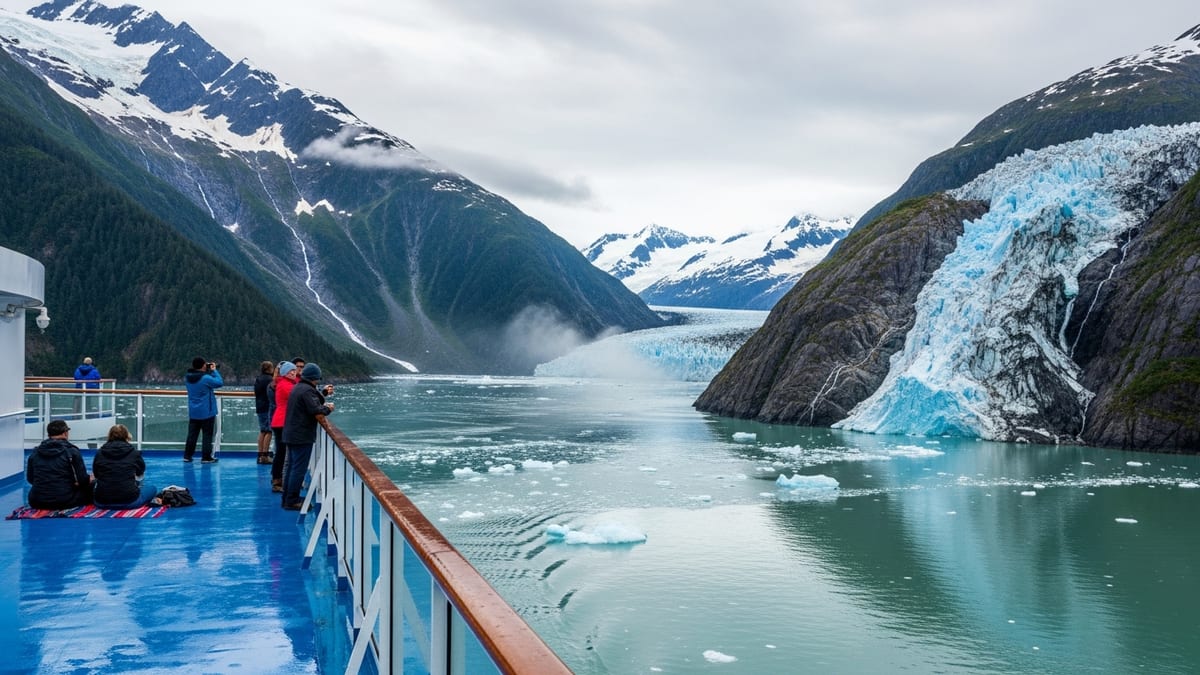
Incident at Corfu Harbor During High Winds
The incident occurred late on Tuesday, June 30, in the main harbor of Corfu, a popular stop for international cruise itineraries in the Ionian Sea. According to published coverage, the Bahamas-flagged cruise ship was alongside when a spell of severe winds hit the area, affecting the section of the port used by large visiting vessels.
Reports indicate that as the weather intensified, multiple mooring lines securing the ship parted. The loss of tension on the lines is said to have caused the vessel to shift position, putting sudden strain on the gangway connecting the ship to the pier. The gangway then reportedly pulled away from the quay, creating a gap between the ship and the dock.
In the confusion that followed, a 56-year-old woman from New Zealand who was on the gangway at the time is believed to have lost her balance and fallen into the water. Local media accounts describe the fall as accidental and linked directly to the movement of the vessel as the lines gave way.
The passenger was quickly retrieved from the harbor by crew members and port personnel. She was taken to a local hospital on Corfu, where she was treated for what have been described as light injuries before being discharged.
Captain Detained on Passenger Safety Charge
Following the incident, Greek port police initiated a standard maritime safety investigation. Publicly available information shows that the 56-year-old Italian master of the cruise ship was detained on suspicion of endangering passengers, a charge that can be brought when alleged safety lapses are linked to an accident on board or during embarkation and disembarkation.
The arrest took place after the ship had secured safely in port and the passenger had received medical attention. Reports in Greek and international media state that the captain faces an initial legal process under the country’s maritime and criminal codes, which allow for detention when investigators consider that actions or omissions on the part of a vessel’s command may have contributed to a hazardous situation.
While details of any defense or explanation from the captain were not immediately available, coverage suggests that investigators are examining how the ship was moored, the number and configuration of lines in use, and whether weather conditions and forecasts were adequately taken into account during docking operations.
Greek procedures typically involve an appearance before a local prosecutor, who then decides whether formal charges will proceed and whether the captain can be released pending further investigation or trial. At the time of the latest reports, no long-term outcome had yet been announced.
Focus on Mooring Practices and Weather Precautions
The case has drawn attention to the complex logistics of managing large cruise ships in Greek island ports, particularly during sudden changes in wind conditions. Corfu’s main harbor regularly accommodates sizable cruise vessels during the summer season, and mooring arrangements can become more challenging when strong gusts strike from unfavorable directions.
Maritime specialists cited in local coverage note that high winds can generate extreme loads on mooring lines in a matter of seconds, especially when a ship presents a large surface area to the wind. When a line parts, the remaining lines can be forced to take on additional strain, increasing the risk of further failures and rapid movement of the vessel alongside the pier.
Investigators are expected to examine whether the ship had adjusted its mooring plan or added extra lines as conditions deteriorated, and whether any restrictions on gangway use were considered while the vessel was under increased stress from the weather. The use of tugs, thrusters and other measures to stabilize the ship alongside may also form part of the technical review.
Port authorities across Greece have been working in recent years to update infrastructure and procedures in response to the growing size and frequency of visiting cruise ships. The Corfu case is likely to renew discussions over harbor design, minimum mooring standards and contingency plans for protecting passengers during embarkation and disembarkation in rough conditions.
Passenger Impact and Cruise Operations in Greece
The woman involved in the incident was reported to have sustained only minor injuries, and she was released from hospital after treatment. For cruise travelers, the episode underscores how quickly routine movements on and off a ship can be disrupted by local weather, even in ports that handle large volumes of traffic during the holiday season.
Greece has seen a strong rebound and expansion in cruise calls in recent years, with islands such as Corfu, Santorini and Mykonos featuring prominently on Mediterranean itineraries. The Corfu harbor, located close to the island’s historic old town, often serves as a gateway for day excursions to beaches, cultural sites and nearby coastal villages.
Industry observers note that while the global cruise sector has invested heavily in onboard safety systems, port-related operations remain a critical part of overall risk management. Gangways, tender boats and pier facilities form the physical link between ships and the destinations they visit, and incidents at the waterline can quickly elevate into legal and reputational challenges for operators.
In this case, published reports did not immediately indicate any broader disruption to the ship’s itinerary or to other cruise calls at Corfu. However, the arrest of a captain following a passenger fall is likely to prompt internal reviews by the vessel’s operators and may lead to revised guidelines for handling high-wind events in similar ports.
Legal and Safety Implications for Future Calls
The detention of the captain in Corfu adds to a series of recent cases in which shipmasters in Greek waters have faced legal scrutiny after maritime incidents, including groundings and vessel fires. Legal analysts point out that national authorities in coastal states increasingly rely on criminal proceedings to enforce safety expectations, placing additional personal responsibility on masters and senior officers.
For cruise lines, this trend may reinforce the importance of comprehensive risk assessments for port calls, especially at island harbors where local conditions can change rapidly. Companies may review their procedures for monitoring wind forecasts, setting thresholds for suspending gangway use, and coordinating with local port services during adverse weather.
Travelers planning cruises that include Greek island ports are unlikely to see immediate changes in advertised itineraries as a result of the Corfu incident. Nonetheless, they may notice heightened attention to safety briefings around disembarkation, visible checks of gangways and railings, and occasional delays in going ashore when wind or sea conditions raise concerns.
As the investigation continues, the case is expected to remain a point of reference in discussions about how best to balance the rapid growth of cruise tourism in Greece with the need to protect passengers, crew members and port infrastructure from the risks posed by increasingly variable weather at sea.