


More news on this day
For the first time in roughly two decades, a major ocean-going cruise ship has sailed into and out of the Port of Philadelphia, marking a symbolic and economic turning point for a city long absent from the U.S. cruising map.
Get the latest news straight to your inbox!
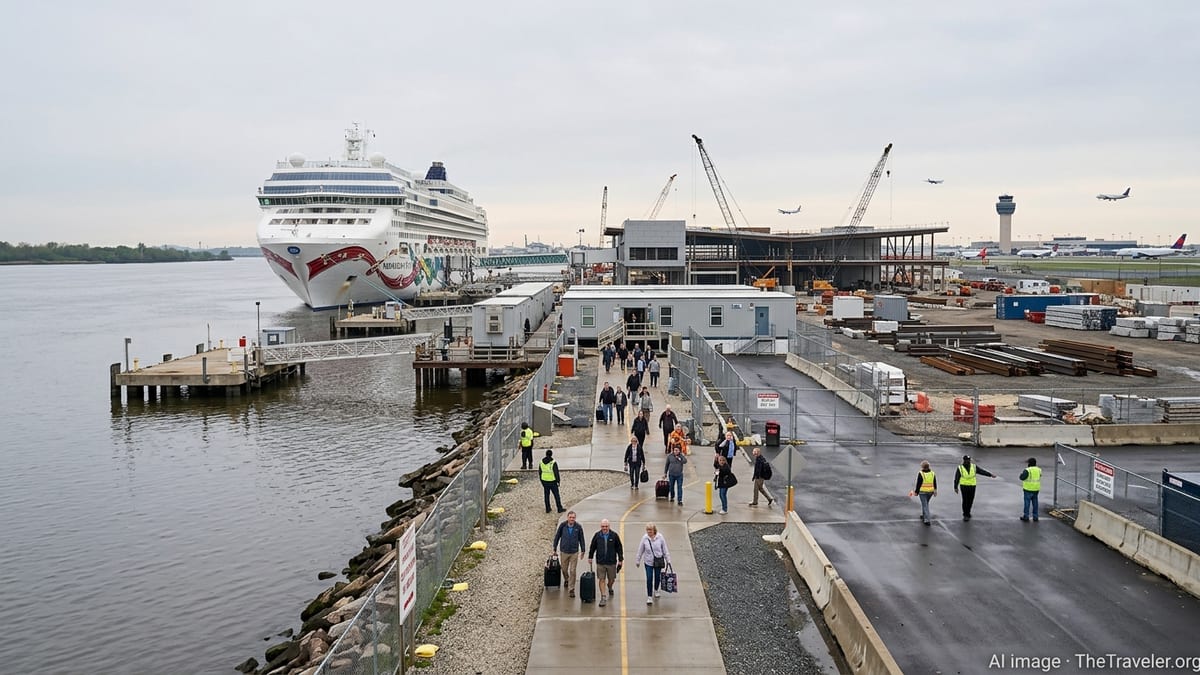
Milestone Arrival After Two Decades Away
The recent arrival and departure of Norwegian Jewel at the Philaport cruise terminal has ended an absence of regular cruise activity in Philadelphia that stretched for close to 20 years. Publicly available information from port authorities and cruise publications indicates that the city has not seen a comparable, fully operational cruise ship call since the mid-2000s, when sporadic sailings and repositioning visits faded away.
Reports describe the 2,300-passenger vessel easing up the Delaware River in April 2026 to begin a new series of itineraries, including sailings to Bermuda and the Caribbean. Coverage from regional outlets characterizes the visit as the first time in more than 15 years that a large, mainstream cruise line has embarked guests from the city, while other local reporting frames it as Philadelphia’s first full-scale cruise departure in about 20 years.
The discrepancy in timelines reflects how long the city has been off the cruise industry’s radar. Occasional river or niche operations have appeared over the years, but travel analysts generally distinguish those from the large, deep-sea ships that dominate the contemporary market and that have now returned in the form of Norwegian Jewel.
The milestone also aligns Philadelphia with a wider rebound in North American cruising, as ports that once ceded business to larger hubs, such as New York and Baltimore, seek to reestablish themselves as homeports or high-profile calls.
Economic Lift for Waterfront Businesses and Beyond
Local tourism and economic development agencies see the ship’s return as more than a symbolic win. Based on data from other mid-sized U.S. ports, each cruise call can generate spending on hotels, dining, attractions and transportation as passengers arrive early or stay after their voyages. Travel industry coverage suggests that even one successful homeporting season can translate into millions of dollars in direct and indirect economic activity.
Philadelphia’s waterfront businesses, many of which pivoted toward local recreation and events during the long cruise hiatus, now have an opportunity to tap into an international visitor stream once again. Restaurants and bars in neighborhoods near the river, along with museums and historic sites within a short transfer of the terminal, are expected to benefit from pre and post-cruise stays.
City tourism planners have increasingly emphasized the “drive-to” market, pointing out that a sizable population in Pennsylvania, New Jersey, Delaware and Maryland can reach the port by car in a few hours. Industry commentary notes that this type of passenger often spends on overnight stays, parking and local experiences, strengthening the case for continued cruise investment.
For the port authority, the return of a branded cruise line also complements existing cargo operations. U.S. maritime analysts have highlighted how mixed-use waterfronts, pairing freight with selective passenger services, can enhance a port’s revenue base while supporting broader urban revitalization goals.
New Itineraries Put Philadelphia Back on the Cruise Map
Norwegian Jewel’s deployment from Philadelphia introduces a slate of itineraries that had previously required local travelers to embark from New York, New Jersey or Baltimore. According to published coverage from cruise-focused outlets, the program includes voyages to Bermuda, the Caribbean, and Canada and New England, with sailings clustered in spring and fall shoulder seasons when demand for regional cruising is strong.
Industry reports indicate that Norwegian Cruise Line plans to rotate vessels over time, with Norwegian Pearl scheduled to assume Philadelphia operations later in the decade while maintaining similar routes. That strategy suggests an effort to establish a stable presence instead of a short-lived experiment, a point seen as significant by travel advisors who look for consistency before promoting a homeport to their clients.
The new itineraries position Philadelphia as both a gateway and a destination. Passengers can explore the city’s historic core, arts scene and culinary districts before sailing, while inbound visitors arriving on one-way or open-jaw cruises may choose to extend their stay, adding another layer of tourism revenue.
The routes also fit within broader industry trends. Cruise lines are increasingly diversifying embarkation points along the U.S. East Coast in response to congestion at major hubs and growing demand for shorter, accessible vacations. Philadelphia’s reemergence gives the Mid-Atlantic region another embarkation choice and helps distribute passenger volume more evenly.
Operational Investments Behind the Comeback
The return of large cruise ships has required behind-the-scenes investments in infrastructure, security and passenger processing. Information released by the port and summarized in trade publications describes upgrades at the Philaport cruise terminal, including refreshed check-in facilities, updated security screening areas and improved baggage handling systems designed to meet modern cruise industry standards.
Adjustments have also been made to accommodate today’s larger vessels. Contemporary cruise ships typically carry more passengers and crew than those that last sailed from the city two decades ago, demanding more robust gangway systems, expanded staging space for motorcoaches and taxis, and coordinated traffic management on surrounding roadways.
Maritime analysts note that environmental considerations now play a more central role in cruise planning than they did when Philadelphia last hosted regular sailings. While specific technical details vary by ship and line, ports across North America are increasingly examining shore power connections, fuel options and emissions-reduction measures to align with local and federal goals. Philadelphia’s efforts to position itself as a modern cruise gateway are unfolding within that regulatory and public-expectation framework.
For the port, successful operations in the first season will be critical in building a track record with cruise lines. Efficient turnarounds, reliable services and positive passenger feedback tend to influence whether additional ships and itineraries are assigned in subsequent years.
Implications for U.S. Regional Cruising
Philadelphia’s cruise revival reflects a broader shift in the U.S. market, where secondary ports are reclaiming roles they relinquished in past decades. Cities along the East and Gulf coasts, from smaller Florida terminals to river corridors in the Midwest, have worked to attract new ships as travelers show renewed interest in cruising closer to home.
Travel commentators point out that this decentralization can make cruising more accessible and potentially less expensive for many travelers, who may be able to avoid long-haul flights or overnight connections to reach a ship. It also spreads economic benefits to a wider range of communities beyond the traditional hubs of South Florida and a handful of major metropolitan ports.
Industry observers will watch closely to see how Philadelphia’s first full season unfolds and whether passenger demand matches expectations. Strong bookings could encourage additional lines to consider experimental voyages or seasonal calls, intensifying competition along the Mid-Atlantic corridor and expanding consumer choice.
For now, the sight of a modern cruise ship returning to a U.S. port that had gone without one for nearly a generation serves as a visible sign of how the cruise industry is reshaping its footprint. It also underscores how former cruise cities can, with the right combination of infrastructure, demand and strategic partnerships, reenter a market they once ceded and reclaim a place on the nation’s maritime tourism map.