


More news on this day
Nine days after a CSX freight train derailed along Richmond’s riverfront, work crews remain on site stabilizing rail infrastructure, lifting damaged cars and clearing spilled grain from a historic canal that doubles as a popular urban recreation corridor.
Get the latest news straight to your inbox!
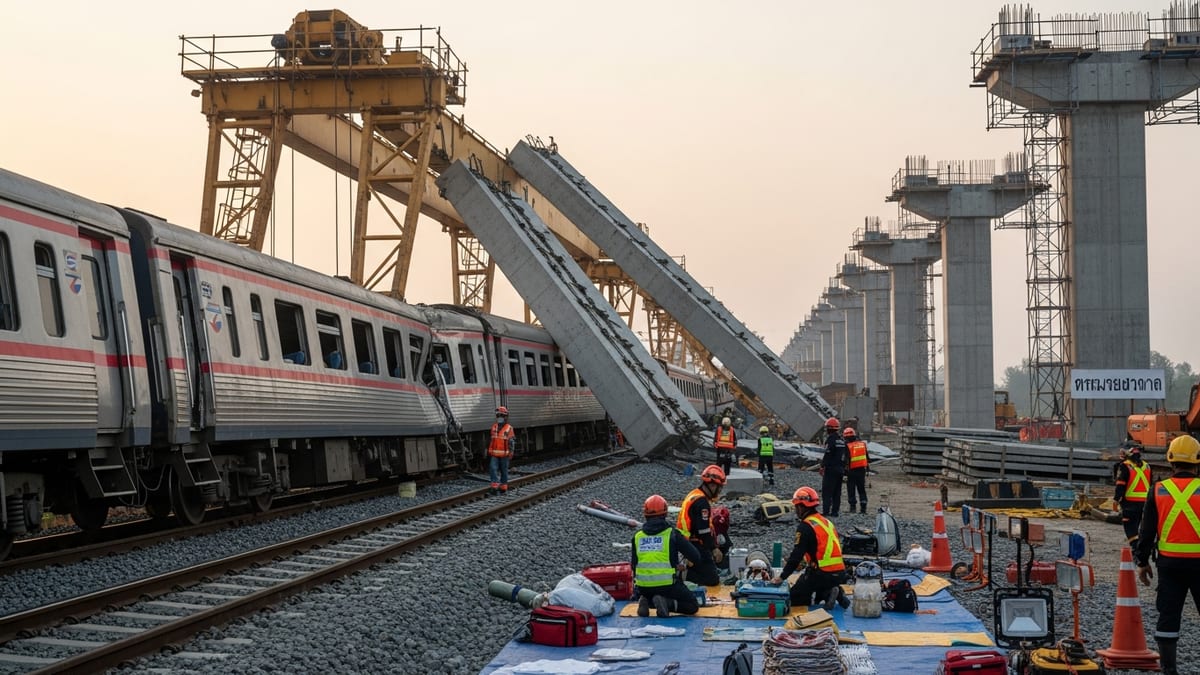
Ongoing cleanup along the James River and Canal Walk
The July 3 derailment sent three grain-filled freight cars off an elevated CSX rail line and into the James River and Kanawha Canal near Dock Street and 20th Street, a busy stretch of Richmond’s Shockoe Bottom district. Publicly available information shows that two additional cars were left unstable on the structure in the immediate aftermath, prompting an extensive recovery operation in the narrow right of way between the riverfront and downtown streets.
Reports from local news outlets indicate that all derailed cars have now been removed from the tracks, but recovery teams are still working to extract damaged equipment from the canal and adjacent embankments. Heavy cranes, barges and specialized contractors remain active in the area as they cut, lift and haul away twisted railcars and associated debris.
Environmental updates released in recent days describe ongoing removal of spilled corn and other grain from the canal and river margins. The material accumulated in drifts along the Canal Walk and in slower-moving pockets of the James, requiring careful work to scoop it out without further disturbing sediment or riverbank vegetation.
According to published coverage and public response summaries, CSX has accepted responsibility for the cleanup effort and is coordinating with federal and state agencies that oversee rail safety and pollution response. Those documents describe the operations as continuing primarily during daylight hours to limit noise impacts and allow closer visual monitoring of conditions in the river channel.
Detours, closures and travel disruptions for visitors
The derailment has reshaped how residents and visitors move through a key part of downtown Richmond. City advisories and transportation bulletins describe ongoing closures of Dock Street in the blocks immediately surrounding the derailment site, along with a shutdown of a short but heavily used segment of the Virginia Capital Trail, a multiuse path that normally draws cyclists and runners along the riverfront.
To keep people away from cranes and other heavy equipment, detours route trail users up to East Cary Street and other parallel roads above the canal. For out-of-town visitors following Capital Trail maps or guidebooks, the change can come as a surprise, with barricades and flaggers diverting traffic away from the water’s edge just east of downtown.
Passenger rail riders have also felt the effects. Based on published reports and firsthand accounts shared publicly, some Amtrak services through Richmond experienced delays and temporary adjustments in the days immediately after the derailment as freight traffic was rerouted and inspections took place on nearby track segments. While through-service has largely resumed, rail watchers note that freight schedules in and around the city remain more fluid than usual as work continues at the derailment site.
Motorists using riverfront streets are being advised through local coverage and city statements to expect intermittent lane closures, slow-moving construction vehicles and periods of stopped traffic while large components are lifted away from the canal. Travel advisories recommend allowing extra time when driving to riverfront attractions, restaurants or trailheads on the east side of downtown.
Environmental monitoring and riverfront safety
Given the derailment’s proximity to the James River, environmental monitoring has become a significant part of the ongoing response. Federal incident reports and state environmental updates describe water-quality sampling in the canal and river to track any changes in pH, dissolved oxygen and other indicators that could signal stress on aquatic life.
Those documents indicate that the primary release involved large quantities of corn and other grain rather than liquid fuels or hazardous chemicals, a factor that reduces long-term contamination risk but still carries short-term consequences for river ecology. Excess organic material can alter oxygen levels as it decomposes, potentially affecting fish and invertebrates in slower-moving stretches of water.
Public reporting notes that sheen sightings along portions of the James were investigated during recent aerial and boat surveys. According to incident summaries, those observations were not linked to the derailment, though observers continue to watch for any new signs of pollution near the canal and rail bridge.
Warning signs, barriers and security fencing now line sections of the Canal Walk closest to the derailment. Visitors are being urged through city messaging and tourism advisories to respect closures, remain behind barriers when viewing the cleanup, and avoid entering the water or walking on exposed river rocks near work zones.
Impact on Richmond’s tourism and outdoor recreation
The derailment unfolded in the middle of the busy summer travel season, when Richmond typically promotes its riverfront as a hub for paddling, cycling, festivals and canal-side dining. Travel and lifestyle coverage of the incident has highlighted how the closure of a short segment of the Canal Walk and Capital Trail disrupts one of the city’s signature visitor experiences, particularly for those arriving over the July holiday period and the weeks that follow.
Hotels, restaurants and outfitters in the Shockoe Bottom and riverfront districts continue to operate, but many now advise guests on alternate walking routes and viewpoints. Guides and visitor bureaus are steering people toward other sections of the Canal Walk, Belle Isle, Brown’s Island and river parks upstream, where trail access and river views remain unaffected by the rail work.
Recreation groups and cycling advocates quoted in local reporting have framed the temporary closures as an inconvenience rather than a reason to avoid the city entirely. They emphasize that the Capital Trail extends for dozens of miles beyond the closed section and that most of its length remains fully open to riders, runners and long-distance touring cyclists.
For travelers, the derailment has become an unexpected backdrop to Richmond’s industrial riverfront landscape, with towering cranes and rail equipment visible from hotel windows, hilltop parks and highway bridges. Some visitors have incorporated brief, safely distanced looks at the cleanup into walking tours of the city’s historic canals, warehouses and rail infrastructure.
What visitors should know in the days ahead
As crews move into their second week of cleanup and repair, publicly available schedules and news bulletins suggest that work will continue to affect the immediate derailment zone for several more days. Track repairs, structural inspections and ongoing debris removal from the canal are all cited as active tasks, with the duration depending on weather and engineering assessments.
Travelers planning trips to Richmond in the short term are being encouraged through tourism updates and local media to check the latest city advisories regarding Dock Street, the Canal Walk and the Virginia Capital Trail before setting out. Hotel concierges, visitor centers and bike rental shops are emerging as reliable points of contact for current information on detours and access.
Rail travelers may wish to monitor service alerts posted by passenger operators that use CSX-owned routes through Richmond, since residual freight congestion and speed restrictions can ripple into timetable changes even after the main line is back in service. Public trip-planning tools and station announcements are expected to continue reflecting any short-notice adjustments while track work remains active nearby.
For many visitors, the derailment serves as a visible reminder of how closely Richmond’s modern travel network is intertwined with its 19th-century canal and rail corridors. As CSX crews continue their work nine days on, the city’s riverfront remains both a construction zone and a compelling window into the region’s ongoing relationship with freight, infrastructure and the James River itself.