


More news on this day
Heightened summer demand combined with storms and operational bottlenecks has triggered severe travel disruption at Zurich Airport, with publicly available data pointing to 374 flight delays and 13 cancellations affecting services operated by Swiss, Edelweiss, Helvetic, EasyJet, Air Baltic and other carriers across Switzerland and key European destinations.
Get the latest news straight to your inbox!
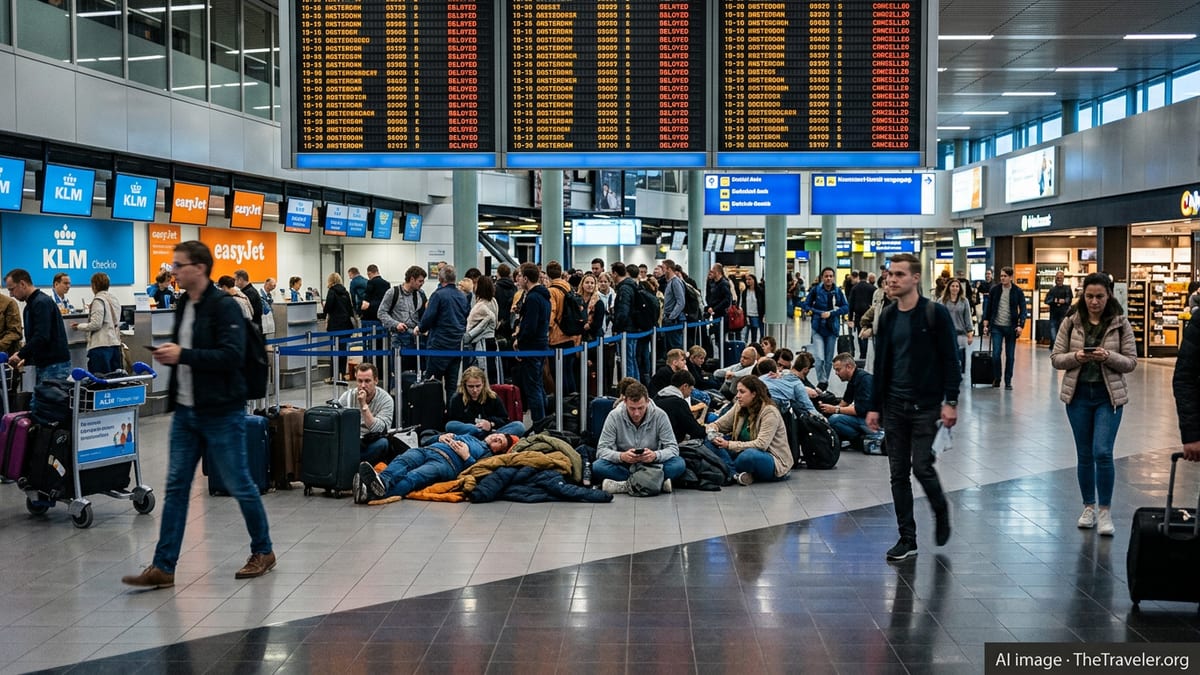
Storms, Congestion and Tight Schedules Converge Over Zurich
Recent weeks have seen Zurich Airport, one of Europe’s major hubs, strained by a combination of intense thunderstorms around the Swiss Plateau, peak holiday traffic and tightly timed summer schedules. Reports from passenger-tracking platforms, aviation data sites and social media posts suggest that the confluence of factors has slowed operations, with aircraft and crews struggling to remain in position as weather cells move through central Europe.
Thunderstorms in late June and early July forced holding patterns, diversions and temporary suspensions of movements, reducing the airport’s capacity during some of the busiest hours of the day. When arrivals are paused or significantly slowed, departures quickly accumulate on the ground, creating knock-on delays that ripple across the network for many hours.
On the busiest weekends, publicly visible flight statistics indicate that hundreds of services have departed or arrived behind schedule, with a smaller but still significant number cancelled outright. The figure of 374 delays and 13 cancellations referenced by multiple tracking and monitoring services reflects the scale of disruption over a concentrated period, underscoring how swiftly operations can be destabilised when weather and congestion coincide.
Because Zurich functions both as a primary gateway to Switzerland and as a transfer hub linking Europe with long-haul destinations, disruptions there have consequences well beyond the country’s borders. Delayed aircraft and displaced crews in Zurich have in turn affected rotations serving Germany, the United Kingdom, Spain, Greece, Italy and other major European markets.
Swiss, Edelweiss and Helvetic Face Hub-Level Strain
National carrier Swiss International Air Lines, along with leisure specialist Edelweiss and regional operator Helvetic Airways, are particularly exposed when Zurich experiences irregular operations. Many of their aircraft overnight or rotate through the hub several times a day, meaning a single heavily delayed inbound flight can cascade into missed slots and late departures on multiple subsequent sectors.
Data from real-time tracking services over recent days show Swiss and Edelweiss flights on core European routes operating with extended delays, in some cases departing hours behind schedule. Regional services operated by Helvetic on behalf of Swiss have also been affected, especially on short sectors linking Zurich with cities in Germany and within Switzerland, where even minor ground delays can translate into noticeable schedule disruptions for passengers.
Examples seen on independent flight-status platforms include Swiss-operated services between Zurich and Geneva, as well as Edelweiss flights connecting Zurich to Mediterranean leisure destinations, registering significant departure delays. In some instances, aircraft diverted away from Zurich during intense weather periods later rejoined the network from outstations, showing how crews and equipment were repositioned to recover the schedule.
For travelers, the impact has ranged from missed connections and overnight stays to lengthy waits on the tarmac and at departure gates. Reports shared on public forums reference extended queues at customer service desks and challenges securing rebookings on already busy summer flights, emphasizing how quickly airport and airline support resources can be stretched in large-scale disruption events.
Low-Cost and Regional Carriers Caught in the Backlog
The disruption has not been limited to Swiss-based airlines. Low-cost and regional carriers including EasyJet and Air Baltic, which operate regular services into Zurich from cities across Europe, have also been swept up in the congestion. Tight turnaround times and aircraft scheduled to operate multiple legs in a single day leave little room for recovery when an early sector is delayed.
Tracking data and passenger accounts indicate that EasyJet services linking Zurich with destinations in the United Kingdom, Spain and Italy have been among those facing late departures or irregular arrival times. Similarly, flights operated by Air Baltic and other European carriers feeding into the Swiss hub have experienced delays that then affect onward sectors from their home bases.
Because many low-cost airlines depend on high aircraft utilization, even short weather-induced stoppages at critical hubs can destabilize their day’s schedule. A delayed arrival into Zurich can push a departure outside its allocated slot, forcing additional waiting time and sometimes prompting schedule reshuffles to prioritize longer or strategically important routes.
The interconnected nature of European air travel means that disruptions in Switzerland can quickly be felt at airports far beyond Zurich. Travelers departing from secondary cities in Germany or regional airports in the UK, for example, may find their flights delayed not by local conditions but by an earlier bottleneck affecting the same aircraft or crew in Zurich.
Wider European Impact Across Popular Holiday Routes
The timing of the disruption coincides with the peak summer holiday period, adding pressure on routes linking Zurich to popular leisure destinations in southern Europe. Publicly available information from aviation platforms and tourism-focused outlets highlights strong demand for flights from Switzerland to Spain, Greece and Italy, with services to coastal and island destinations often heavily booked.
When flights to these countries are delayed or cancelled, the impact is magnified by limited spare capacity. Many services operate near full, leaving fewer seats available for rebookings and increasing the likelihood that affected travelers must wait for later departures, sometimes on different days. Airports such as Barcelona and Alicante in Spain, as well as gateways in Greece and Italy, have reported knock-on delays associated with late-arriving aircraft from central Europe.
Major German airports have also been drawn into the disruption pattern. With numerous flights linking Zurich to cities such as Frankfurt, Munich and Hamburg, delays in Switzerland have registered in departure boards across Germany, occasionally complicating already busy domestic and intra-European operations.
In the United Kingdom, routes between Zurich and airports serving London and regional cities have experienced varying degrees of irregularity, from minor schedule slips to more substantial hold-ups. Travelers connecting onward to long-haul flights from UK hubs have reported needing to adjust their plans when inbound services from Switzerland arrived behind schedule.
Travelers Navigate Delays, Rights and Rebooking Options
For passengers caught in the disruption, the immediate concern has been how to reach their destinations with minimal additional cost and inconvenience. Publicly shared experiences describe travelers weighing options between waiting for rebooked flights, seeking alternative routings through other hubs, or in some cases switching to rail or road transport for shorter journeys within Europe.
Consumer information sites and aviation-focused forums have seen a rise in questions about compensation rules, particularly under European and Swiss passenger-rights frameworks. Travelers are being reminded that entitlements can vary depending on factors such as the cause of disruption, the length of delay, whether a flight is departing from or arriving in a particular jurisdiction, and whether extraordinary circumstances, such as severe weather, are involved.
Advisories from travel organizations and passenger advocacy groups encourage affected flyers to retain boarding passes, booking confirmations and receipts for reasonable expenses incurred during delays, such as accommodation or meals, as documentation may be required when submitting claims. They also suggest monitoring both airport and airline channels, as well as third-party tracking tools, to obtain the most current information in fast-moving situations.
With forecasts indicating the potential for further storms and continued heavy demand as the summer holiday season progresses, Zurich Airport and the airlines that rely on it are likely to remain under close attention from travelers planning journeys across Switzerland and the wider European network in the days ahead.