

More news on this day
Cunard guests embarking in Southampton recently encountered postponed boarding after the cruise line initiated an unexpected deep cleaning of one of its ships, underscoring heightened industry focus on onboard hygiene and operational resilience.
Get the latest news straight to your inbox!
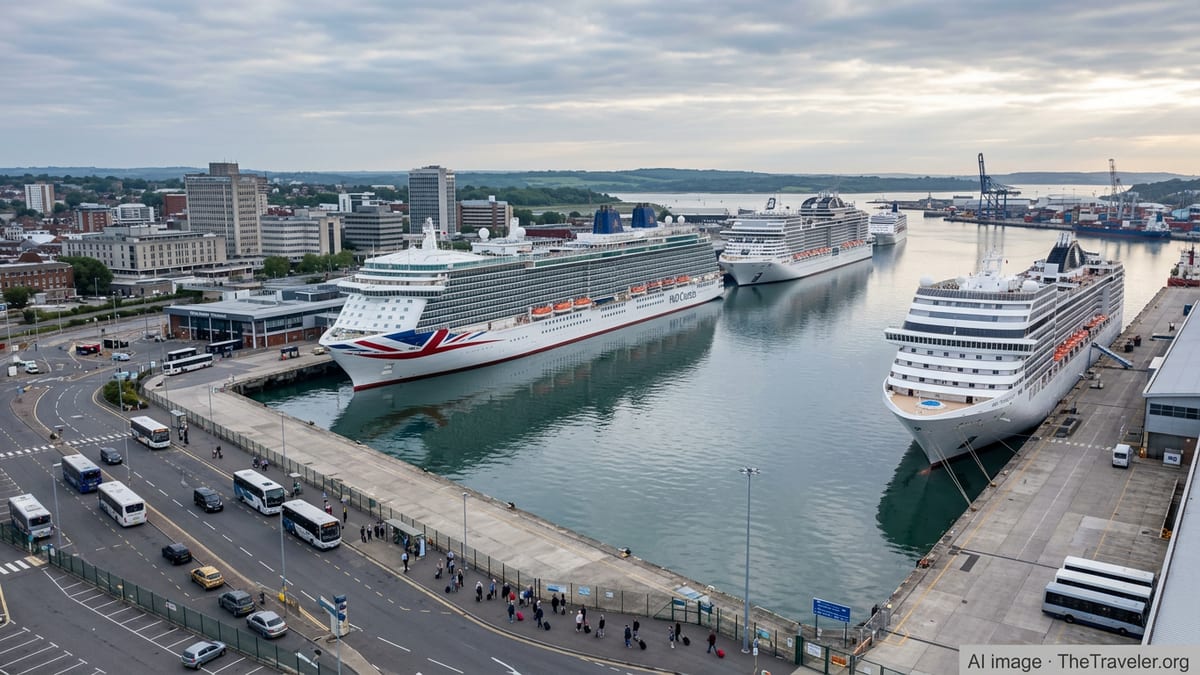
Embarkation Delayed as Cleaning Teams Take Priority
Boarding at Southampton, one of Cunard’s key turn-around ports, was pushed back while enhanced cleaning and disinfection measures were carried out across public areas and guest accommodations. Reports indicate that passengers with early arrival times were advised to remain in the terminal or adjust their travel plans as embarkation windows were compressed into a shorter time frame later in the day.
Publicly available information suggests that the delay followed routine health monitoring that pointed to the need for a more extensive sanitation effort before new guests stepped on board. Cruise lines regularly carry out between-voyage cleaning, but unscheduled deep cleans typically involve more intensive treatment of dining venues, high-touch surfaces and cabin bathrooms, and can require closing parts of the ship to crew while work is completed.
The timing of the operation, just hours before boarding, meant luggage drop off, security queues and check in processes had to be carefully staggered to avoid overcrowding in the terminal. Passengers arriving by train and coach into Southampton reported longer waiting periods before being invited to embark, with some later departure times for safety drills and evening activities once the ship was cleared to sail.
Health Protocols Shape Cruise Operations
The decision to postpone boarding for deep cleaning reflects the way health protocols now shape cruise operations. Guidance from maritime health authorities emphasizes rapid response when gastrointestinal symptoms or other illness trends are detected, including strengthened cleaning, temporary isolation of affected cabins and closer monitoring of food and water handling areas.
In recent seasons, large ocean liners have intensified their focus on outbreak prevention, with additional handwashing facilities, more visible housekeeping teams and revised procedures for buffet service. Industry coverage shows that targeted deep cleans between sailings, or even mid itinerary, have become a standard tool whenever illness levels reach defined thresholds.
While such measures can be disruptive for holidaymakers eager to board, they are designed to reduce the risk of illness spreading into a new voyage. Southampton’s role as a homeport for transatlantic crossings and longer itineraries means ships often sail at or near full capacity, increasing the importance of ensuring that shared spaces, ventilation systems and touchpoints are thoroughly sanitized before departure.
Impact on Passenger Experience and Itineraries
For guests, the most immediate effect of the unplanned cleaning effort was a compressed embarkation schedule and a degree of uncertainty around departure time. Some travelers rebooked train connections or adjusted hotel check out times when informed of the later boarding window, while others spent longer than expected in the terminal as staff coordinated staggered check in groups.
There were indications that the ship’s departure from Southampton was adjusted to account for the cleaning activities, with onboard programming on the first evening sometimes reshaped after delays of several hours. Safety briefings, welcome events and opening hours of restaurants and bars can all be moved or shortened when embarkation is pushed back into the late afternoon or evening.
Despite these changes, available accounts suggest that once underway, most scheduled ports of call remained unchanged, with ships using their sea days and available speed to recover minor delays. Modern itineraries are often built with some flexibility for weather, technical issues or operational measures such as enhanced sanitation, which allows cruise lines to preserve key destinations even after a late departure.
Communication, Compensation and Policy Frameworks
The handling of the Southampton deep clean placed renewed attention on how cruise lines communicate last minute changes to their guests. In recent operations, companies have relied on a combination of email, app notifications and text messages to notify passengers when embarkation is delayed or procedures are modified, encouraging travelers to check for updates on the day of departure.
Policy documents for major operators set out circumstances in which boarding can be postponed or denied, including health screening outcomes and operational requirements such as extended cleaning. These materials also typically outline what forms of assistance may be offered, from refreshments in the terminal to adjustments in onboard credit or future cruise offers when disruptions extend over several hours.
Travel agents and cruise specialists note that such events highlight the value of building extra time into pre cruise plans, particularly when connecting from flights or long distance rail. Arriving earlier in Southampton, or staying overnight nearby, can provide a buffer if boarding is moved, even when the delay is driven by prudent health measures rather than weather or mechanical issues.
Broader Context for Cruise Hygiene Standards
The deep cleaning in Southampton fits into a broader pattern of cruise lines refining their hygiene strategies. Publicly available guidance from health bodies and classification societies encourages regular review of sanitation plans, crew training and documentation of cleaning regimes, especially on larger vessels carrying several thousand guests and crew.
Industry observers point out that high profile illness outbreaks in previous years led to more rigorous tracking of gastrointestinal cases and more transparent reporting of illness numbers on board. Many operators now pair real time surveillance with rapid response protocols that trigger escalated cleaning activities when thresholds are crossed, sometimes leading to visibly larger housekeeping teams and temporary changes to food service.
For passengers, the sight of additional cleaning in terminals and on board can be a reminder of recent disruptions to global travel, but it is also intended to provide reassurance that issues are identified and addressed before they grow. As cruise lines like Cunard continue to operate complex schedules through ports such as Southampton, unscheduled deep cleans and short term boarding delays are likely to remain part of the balance between smooth operations and rigorous health protection.