


More news on this day
Western Australia’s Coral Coast is racing to reassure international visitors from the United Kingdom, China and New Zealand that 2026 holidays can still go ahead, as airlines and tourism operators adjust in the wake of Cyclone Narelle and a new 1.45 million dollar recovery package.
Get the latest news straight to your inbox!
Tourism Hotspots Count the Cost After Cyclone Narelle
Cyclone Narelle swept across Western Australia in late March 2026, leaving a trail of damage from the mid west coast through key tourist hubs such as Exmouth and the Coral Coast. Published coverage from Australian outlets describes roofs torn from buildings, power outages and extensive debris along popular beaches at a time when operators were preparing for the Easter peak.
Reports indicate that marine environments have also been hit hard. Wildlife monitoring along sections of the coast has recorded significant losses of turtles, dolphins and seabirds, affecting the pristine image that draws many overseas visitors to Ningaloo and surrounding areas. Local tourism bodies are balancing the need to protect fragile sites with efforts to maintain visitor confidence ahead of the 2026 dry-season rush.
Industry summaries show that some caravan parks, tour bases and small hospitality businesses face months of repairs. While many inland and southern regions of Western Australia are trading as normal, the concentration of damage in headline coastal destinations means that images of wrecked jetties and closed beaches are shaping international perceptions just as travellers in the United Kingdom, China and New Zealand confirm long-haul bookings.
Qantas and Virgin Australia Trim and Reroute Services
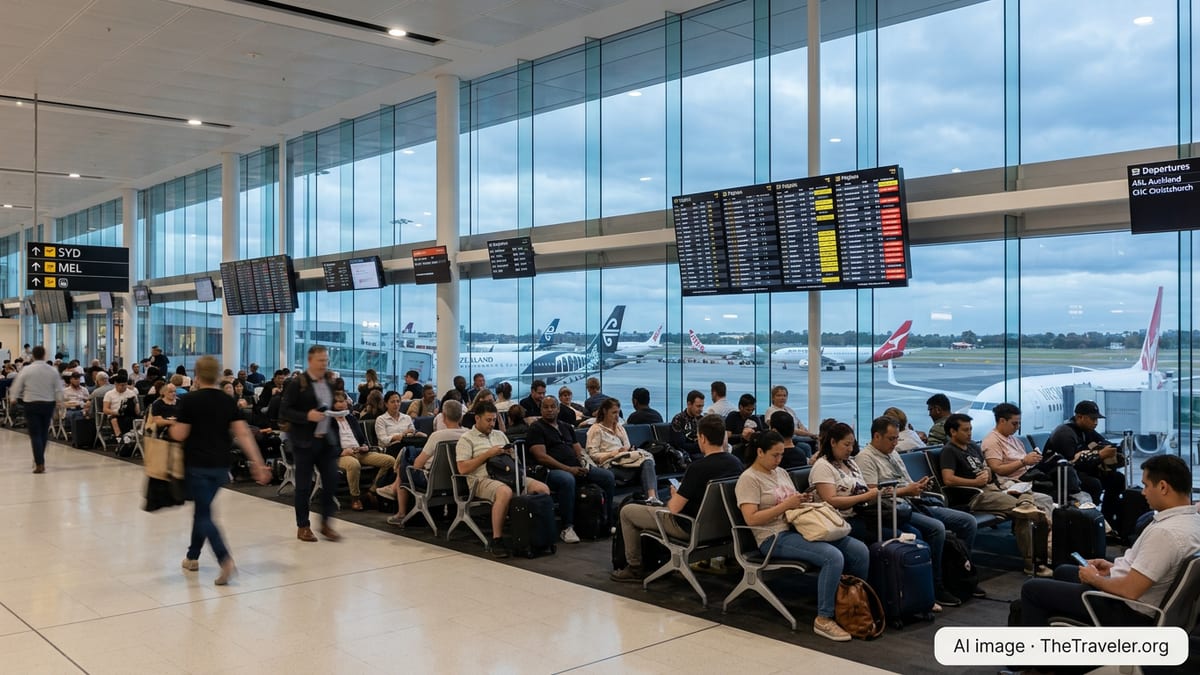
Airline advisories in recent days outline a series of schedule changes by Qantas and Virgin Australia as they respond to damaged regional airports and temporary safety restrictions. Services to heavily affected destinations such as Exmouth and parts of the Coral Coast have been reduced or rerouted, with some flights consolidated through larger hubs while infrastructure assessments continue.
According to publicly available timetable updates, the adjustments are most visible in late March and April 2026, when runway checks, navigation equipment inspections and staffing constraints are at their peak. Travellers holding tickets from the United Kingdom, China and New Zealand for this shoulder period are being offered alternative routings into Perth or rescheduled services into regional gateways that remain fully operational.
For those planning Western Australia holidays later in 2026, the picture is more stable. Forward schedules for the second half of the year largely retain previously announced frequencies, suggesting that airlines expect a phased return to normal operations as repairs progress. Travel agents and comparison sites are already flagging the importance of checking booking conditions and allowing extra connection time where domestic links into smaller airports are still constrained.
WA’s 1.45 Million Dollar Recovery Package Explained
In response to mounting losses across the visitor economy, the Western Australian government has announced a 1.45 million dollar tourism recovery package targeted at regions affected by Cyclone Narelle. Publicly released details indicate that the funding will support business recovery, marketing campaigns and traveller information initiatives designed to keep bookings flowing while repairs are underway.
Industry briefings describe a mix of direct support for tour operators, accommodation providers and attractions, alongside co-funded promotional activity that will roll out in key international markets during 2026. Some of the money is expected to underwrite discounted tours and value-added packages, encouraging visitors to return to cyclone-affected areas once essential services are restored.
The package sits alongside existing disaster-recovery measures for small businesses and infrastructure, but is notable for its explicit focus on tourism. Analysts say this targeted approach reflects the importance of visitor spending to towns along the Coral Coast, where international guests from the United Kingdom, China and New Zealand make up a growing share of overnight stays and high-value tour bookings.
What UK, China and New Zealand Travellers Should Expect in 2026
For long-haul visitors planning Western Australia holidays later in 2026, the key change is likely to be timing and routing rather than outright cancellations. As regional airports and roads reopen, most tour itineraries are expected to resume with only minor modifications, although some coastal walks, wildlife experiences and marine tours may operate at reduced capacity while ecosystems recover.
Travel planning resources advise that visitors from the United Kingdom, China and New Zealand should pay close attention to refund and rebooking policies on both international and domestic segments. Flexible fares, comprehensive travel insurance and the ability to switch between self-drive and fly-drive itineraries are emerging as practical strategies for navigating remaining uncertainty in cyclone-affected areas.
Tourism demand data released earlier this year shows that arrivals from these three markets were already rebounding strongly before Narelle, with the United Kingdom and New Zealand in particular nearing or surpassing pre-2019 levels. Industry commentators expect that pent-up demand, combined with new marketing funded through the recovery package, will help sustain bookings even as images of the cyclone’s aftermath circulate globally.
How the Recovery Plan May Shape Your Western Australia Itinerary
The 1.45 million dollar tourism recovery initiative is set to influence how and where incentives are offered throughout 2026. Travellers can expect to see special offers that highlight lesser-affected regions, encourage longer stays and bundle experiences such as whale watching, outback touring and food and wine trails with discounted accommodation in recovering towns.
Destination planners note that some campaign activity will be tailored to specific source markets, with messaging adjusted for the United Kingdom, China and New Zealand to address different booking lead times and preferred travel seasons. For example, shoulder-season promotions may target UK and European visitors seeking to avoid peak heat, while school-holiday packages could be pitched more strongly to New Zealand families and Chinese group tours.
On the ground, the recovery drive is expected to translate into clearer information about road access, reopened trails and adjusted tour routes, helping visitors make informed decisions without abandoning Western Australia altogether. For many international travellers, the practical effect of the plan may be an itinerary that includes a mix of classic Coral Coast highlights and alternative experiences in regions that were outside Narelle’s path but remain closely connected to the state’s broader tourism story.