


More news on this day
The Czech Foreign Ministry has issued a fresh warning to its citizens traveling in France, advising them to avoid demonstrations, protest marches and large public gatherings as nationwide unrest continues to affect several major cities and disrupt transport links.
Get the latest news straight to your inbox!
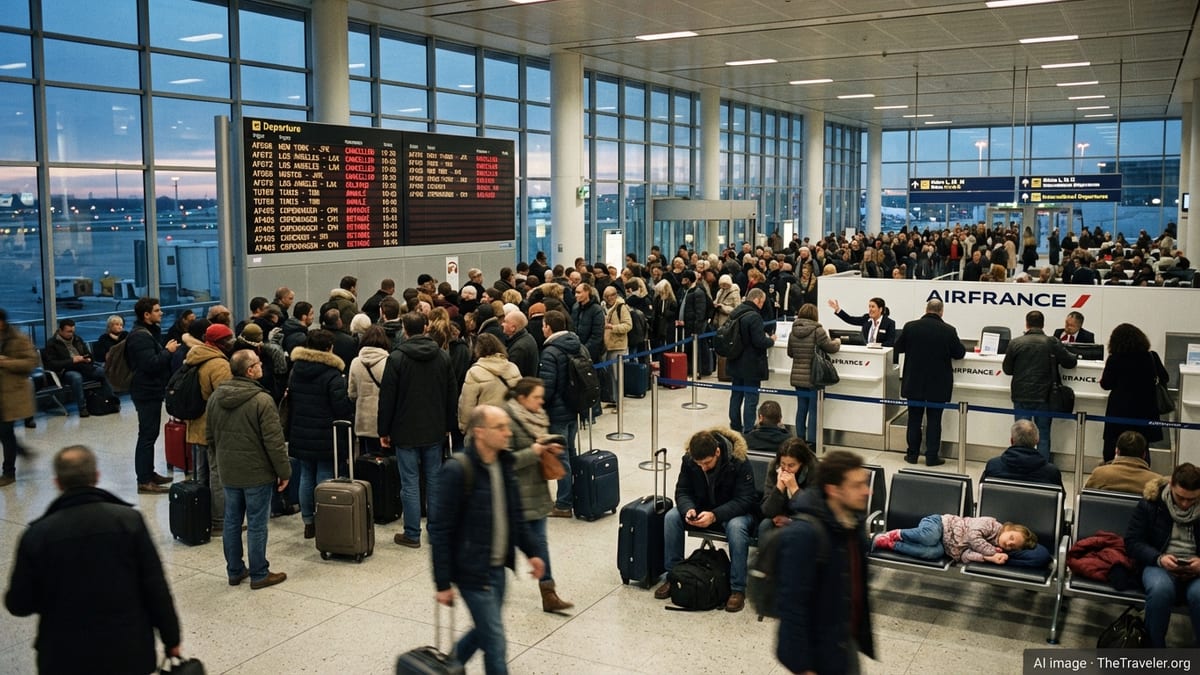
Travel warning follows surge in nationwide protests
According to reports from Czech media and public notices circulated through the ministry’s Drozd traveler registration system on 19 October 2026, the ministry updated its guidance after days of protests linked to high living costs and broader social grievances led to clashes in several French cities, including Paris, Lyon and Marseille. Publicly available information indicates that these events have included confrontations between protesters and security forces, sporadic looting and vandalism, as well as temporary street blockades.
Czech coverage notes that large urban centers have seen the most significant disruption, with some central districts periodically closed off to traffic and public transport curtailed during major marches. Images from recent demonstrations in Paris show tear gas being deployed and projectiles thrown during evening confrontations, particularly around traditional protest hubs such as Place de la République and the Bastille area.
The warning emphasizes that the overall security situation for tourists can change quickly in areas where protests gather. Travelers are therefore being encouraged to closely monitor local news, follow municipal announcements about planned marches and remain alert to spontaneous gatherings that may grow in size or intensity with little advance notice.
Official Czech guidance for travelers in France
In its recent France-focused updates, the Czech Embassy in Paris highlights that demonstrations and strikes are a long-standing feature of civic life in the country, but notes that the scale and intensity of some current events increase potential risks for visitors. Publicly available consular guidance urges travelers to avoid crowds, keep a safe distance from protest routes and comply with visible security measures in affected areas.
The embassy’s advisories on strikes and restrictions in France, refreshed in mid October 2026, explain that not all parts of the country are impacted at the same time and that conditions may vary from one city or region to another. Travelers are encouraged to plan journeys carefully, allow extra time for transfers and stay informed about any localised disruptions, especially in large metropolitan areas and transport hubs.
The Foreign Ministry’s message distributed through the Drozd system underlines that demonstrations may lead to rapid closures of streets and squares, changes to tram and bus routes and temporary suspension of some metro or suburban rail services. Travelers who are already in France are advised to adjust itineraries away from demonstration sites where possible and to consider alternative walking routes in city centers when they notice a buildup of crowds or visible protest materials.
Impact on transport, tourism hubs and daily itineraries
Publicly available information from European travel advisories indicates that protests and strikes in France have recently affected surface transport and urban mobility on certain days, particularly when unions or sector-wide actions coincide with street demonstrations. In Paris, this has included short-notice changes to metro frequencies, delays on some commuter rail lines and traffic congestion on arterial roads when marches occupy major boulevards.
While key tourist attractions such as the Eiffel Tower, the Louvre and major museums have largely remained open, reports suggest that access can take longer on days when demonstrations pass nearby or when police cordons redirect pedestrian flows. Travelers may find that some entrances or nearby streets are temporarily closed for safety reasons, especially in central districts where protest routes are concentrated.
Outside the capital, regional cities that frequently host rallies, such as Lyon, Marseille, Toulouse and Nantes, have also reported sporadic disruptions. These can include delays to tram networks, rerouted buses and congested ring roads at times when protesters block roundabouts or bridges. Published guidance from several European foreign ministries recommends factoring possible delays into schedules for airport transfers, intercity rail connections or evening restaurant reservations in city centers.
Upcoming strike dates and practical planning tips
Recent updates from the Czech Embassy in Paris refer to a calendar of announced strikes that may overlap with demonstrations in the coming weeks. Public information indicates that a nationwide strike affecting education is planned for 13 October 2026, followed by industrial action in the aviation sector between 17 and 21 October and a broader cross-sector strike call for 5 November. These events could lead to additional disruption in air travel, public services and local transport.
For travelers, this means that journeys scheduled on or near these dates may face longer queues, reduced flight schedules or altered departure times. Airline-specific information and airport announcements are therefore essential checks before setting out for the airport, especially for early-morning departures or tight connections involving domestic French flights.
Urban visitors may also wish to review daily transport bulletins for metro, tram and bus services in cities where they are staying. Advance knowledge of reduced services on a strike day can help travelers shift to walking routes in central areas or reschedule activities that require longer transfers, such as day trips beyond city limits.
Safety recommendations for Czech and other foreign visitors
Security advisories from Czech and other European authorities point out that protests in France often follow published routes through central squares and major avenues, with gatherings typically announced in advance by unions or civic groups. Travelers who wish to minimize risk are advised to steer clear of these locations during announced rally times, particularly in the late afternoon and evening when some demonstrations have grown more tense.
Visitors are encouraged to keep identity documents accessible, store valuables securely and remain aware of their surroundings in crowded public spaces, including train stations and areas near government buildings or major intersections. Travelers are also advised to avoid filming confrontations at close range or engaging with protesters or counter-protest groups, as tensions can escalate quickly.
Czech citizens planning trips to France can register their itineraries in the Drozd system operated by the Foreign Ministry, which enables the authorities to reach them with targeted alerts and practical instructions in the event of significant security or transport disruptions. For those already on the ground, regularly checking official consular updates and reputable news outlets can help in making day-to-day decisions about where to go and how to move around safely while the current wave of protests continues.