


More news on this day
After a weekend of rioting, looting and arson across French cities, many prospective visitors are now asking whether it is still safe to travel to France, even as official advisories stop short of telling tourists to stay away.
Get the latest news straight to your inbox!
What Happened During the Weekend of Violence?
On Saturday 17 October 2026, large cost of living and education protests in France escalated into some of the most serious unrest seen in the country in recent years. Demonstrations that drew hundreds of thousands of people nationwide were accompanied in a number of cities by looting, arson and clashes with police. Published coverage describes streets strewn with debris, shopfronts smashed and public buildings set on fire in locations including Paris, Marseille and several regional capitals.
Reports collated on Sunday 18 October indicated more than 1,800 to 2,400 arrests across the country linked to the violence, with hundreds of police, firefighters and other security personnel recorded as injured. One of the most striking incidents highlighted in national and international media was the burning of the historic town hall in Limoges, whose spire collapsed after the building was engulfed in flames overnight.
The unrest followed weeks of youth led protests over school funding and classroom conditions, alongside broader anger about rising prices and proposed budget measures. While many marches remained peaceful, images shared over the weekend focused on running street battles, barricades and tear gas around some central districts, particularly in Paris and major provincial cities.
By Monday 19 October, reports suggested that while isolated clashes and smaller demonstrations were continuing, the intensity of the violence had already diminished compared with the peak of the weekend.
How Has the UK Foreign Office Responded?
The United Kingdom’s Foreign, Commonwealth and Development Office (FCDO) has not advised against travel to France following the unrest. The current France travel advice, updated in early October 2026, continues to allow trips for tourism, family visits and business, while highlighting specific risks and recommending that travellers stay informed about the protest situation.
The FCDO guidance notes that demonstrations and industrial action can occur at short notice and sometimes turn confrontational, particularly in large urban centres. Travellers are advised to avoid areas where protests are taking place, monitor local media and follow any public safety announcements. The advisory also draws attention to previous issues such as wildfires in parts of France and evolving Schengen entry requirements, but there is no blanket warning against visiting the country.
For British visitors, this means that holidays, city breaks and cross Channel trips are still considered broadly feasible, although additional care is recommended in planning itineraries and moving around major cities where gatherings may be announced.
What About the US and Other International Advisories?
The United States continues to list France at Level 2 on its four tier travel advisory scale, which means visitors are asked to exercise increased caution. This level predates the latest protests and reflects longer standing concerns about the risk of terrorism and periodic civil unrest in major French cities.
The summary for France highlights the possibility of demonstrations that may turn confrontational, mentioning that even peaceful events can quickly become unpredictable. Travellers are advised to be aware of their surroundings, stay away from areas where crowds are forming and follow any visible security instructions in transport hubs, around government buildings and near major tourist sites.
Other countries with significant outbound tourism to France, such as European Union partners, have so far maintained similar advice. Publicly available guidance typically acknowledges the weekend’s events and urges vigilance but does not call for citizens to cancel upcoming trips. This pattern suggests that, in the view of many governments, the situation is serious yet manageable for visitors who plan carefully.
What Is the Situation in Key Tourist Areas?
Accounts from French and international media indicate that the worst violence was concentrated in particular districts of large cities rather than in all neighbourhoods equally. In Paris, for example, clashes and damage were reported around some central arteries and outlying suburbs, while other areas continued to see residents and tourists walking, shopping and dining with limited disruption beyond visible police deployments.
Travel community reports from Sunday 18 October described a largely calm atmosphere in popular visitor districts of the capital, including central arrondissements on the Left Bank and around some major museums and monuments, even as cleanup operations continued elsewhere in the city. Regional tourist centres that did not host large marches experienced fewer disruptions, although localised incidents were still possible.
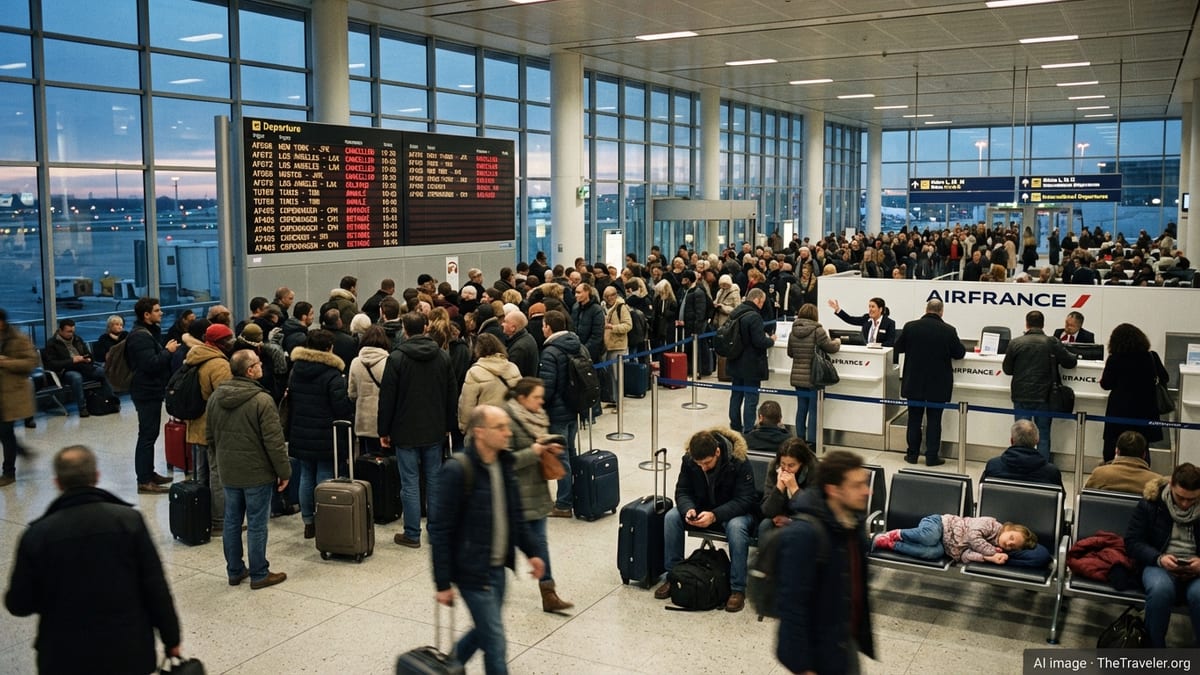
Transport infrastructure remained mostly operational after the weekend, with trains and airports functioning, although some stations and routes were temporarily closed during peak protest hours. Travellers planning journeys in the coming days are being advised to check their airline and rail operator updates and to allow extra time when moving through central transport hubs.
Practical Advice for Travellers Considering France Now
Current official advice and on the ground reports suggest that travel to France is still possible for most visitors, but that itineraries may need more flexibility than usual. Prospective travellers are being encouraged to check the latest FCDO or equivalent national guidance shortly before departure, paying close attention to any new sections on demonstrations, curfews or local restrictions.
Within France, public information suggests that staying away from large gatherings is the simplest way to reduce risk. Visitors may wish to avoid known protest locations such as central squares, main government boulevards and university areas on days when marches are announced. Booking accommodation in districts that are more residential or traditionally quieter on protest days can also limit disruption from noise, tear gas or transport closures.
Standard urban safety measures remain important. Travellers are advised to keep valuables secure, remain alert in crowded areas, and stay informed through reputable news sources and local announcements. Travel insurance policies should be reviewed to ensure they provide cover for delays or cancellations linked to unrest, as conditions can vary between providers.
For now, the combination of continued open borders, functioning transport links and the absence of a broad “do not travel” message from major governments points to a situation where many trips to France can still go ahead, provided visitors remain cautious, well informed and ready to adjust their plans if protests flare again in the streets around them.