


More news on this day
Dead fish have been reported along a stretch of the Emory River in Tennessee only a few weeks after a freight train derailment in the region, prompting renewed scrutiny of the waterway’s health and the longer-term environmental fallout from rail incidents near rivers.
Get the latest news straight to your inbox!
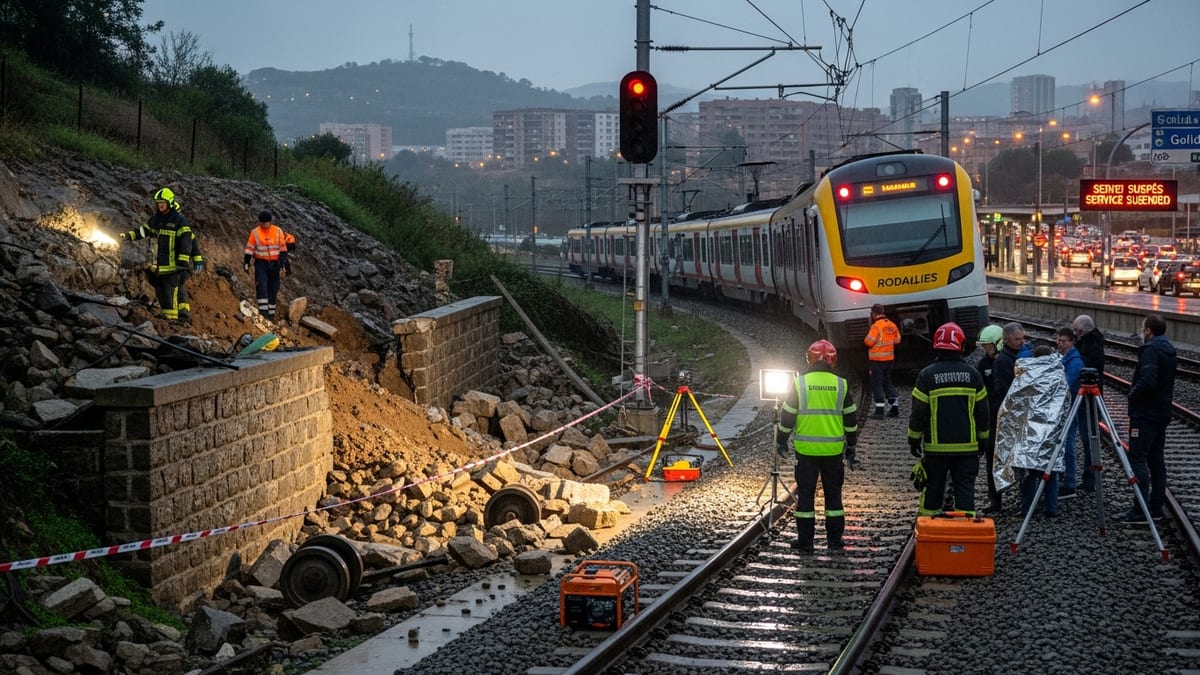
Dead Fish Sightings Follow Recent Derailment
Publicly available incident summaries and local emergency management updates indicate that a freight train derailed in Tennessee in recent weeks along a corridor that parallels sections of the Emory River and nearby tributaries. The line is used for heavy freight traffic, including bulk materials that can affect waterways if cars leave the tracks and spill into adjacent land or streams.
In the weeks since that derailment, Morgan County’s emergency management pages and related regional reporting have noted new concerns about the Emory River, with local observers describing the discovery of dead fish in the waterway. While detailed field data have not yet been widely released, the timing has drawn attention because the sightings closely follow the rail incident.
Initial references to the fish deaths characterize them as scattered but visible along portions of the river, rather than a single concentrated fish kill zone. That pattern, if confirmed by subsequent field surveys, can suggest a combination of localized stressors in the channel, including possible changes in water chemistry, physical disturbance of riverbed habitat or shifts in dissolved oxygen levels.
Emergency management materials in Tennessee and neighboring states commonly use the term fish kill to describe similar events that have followed other derailments and industrial releases, underscoring that even relatively small spills or physical disruptions can have ecological effects that are still evident weeks later.
What Is Known About The Train Derailment
Public rail safety summaries, freight company statements and emergency management bulletins from spring 2026 describe several derailments across the Southeast and Appalachian regions, including at least one in Tennessee where a freight consist left the tracks near a rail bridge and river crossing. Those records show that local emergency agencies coordinated with state environmental staff and railway contractors in the initial response phase, focusing first on track clearance, containment of any leaking fuel and the integrity of nearby road and rail bridges.
In at least one Tennessee incident, emergency management reports attribute a collapse of a railroad bridge to a commercial vehicle strike, leading to a halt in rail traffic along that section. That closure placed additional attention on alternate routes and on whether any rail cars or debris had come into contact with surface waters in the wider watershed served by the Emory River.
Although full hazardous materials manifests for recent derailments have not been widely circulated in public-facing documents, regional experience shows that mixed freight can include tank cars of fuel, cars carrying industrial feedstocks and hoppers with bulk solids such as coal or ash. Historical documents from earlier coal ash spills on the Emory River illustrate how such materials, if released, can move downstream, settle into sediments and affect aquatic organisms for months or years.
Response plans referenced in state and federal emergency documentation typically call for early water sampling, visual inspection for sheens or turbidity and the use of floating booms if petroleum products are detected. The appearance of dead fish several weeks after a derailment can sometimes point to delayed or secondary impacts, especially if initial sampling focused on acute contamination close to the crash site.
Ecological Context Along The Emory River
The Emory River is part of a broader network of waterways in eastern Tennessee, connecting upland tributaries with downstream impoundments and, eventually, the Tennessee River system. Past assessments by the United States Environmental Protection Agency and state agencies after the 2008 Kingston coal ash spill documented how contaminants and sediments traveled along the Emory and Clinch rivers and how fish populations responded over time.
Those earlier investigations found that fish mortality can occur both immediately after a large release and again in subsequent weeks and months as contaminants interact with sediment, algae and invertebrate communities. Follow up studies cited in recent regulatory reviews note that abnormal rates of lesions or other health indicators in some fish populations persisted well beyond the initial cleanup window, highlighting the potential for long term sublethal effects.
Even when the cause of fish deaths is not a high profile ash spill, similar mechanisms can be at work. Rapid changes in water quality, elevated levels of suspended solids, or sudden shifts in temperature and oxygen can stress fish to the point of mortality. When a derailment disturbs soil and banks along a river corridor or introduces fine particulates and nutrients, it can set the stage for later episodes of low oxygen as organic matter breaks down.
The Emory River and comparable waterways are also influenced by rainfall patterns and dam operations. Heavy precipitation events can resuspend material in sediments or trigger combined sewer and stormwater discharges in more urbanized sections of a watershed, which in turn may aggravate stresses originating from a rail incident upstream.
Fish Kills And Rail Incidents Across The Region
The reported discovery of dead fish in the Emory River is emerging against a backdrop of several high visibility fish kills linked to infrastructure failures and extreme weather in the southeastern United States in 2026. Coverage from Atlanta based news outlets has described thousands of fish found dead along a stretch of the Chattahoochee River after intense storms and sewage overflows, with investigators pointing to oxygen depleted water as a likely factor.
In addition, environmental reporting and agency summaries from Ohio and Pennsylvania continue to reference the 2023 East Palestine derailment, where vinyl chloride releases and subsequent controlled burns drew national attention to the potential ecological footprint of rail accidents. Those records document thousands of dead fish in local streams and creeks in the days after the crash, as well as ongoing monitoring for longer term contamination in sediment and biota.
Regulatory reviews compiling lessons from multiple coal ash and chemical spills stress that fish kills can occur at different scales and time frames, from sudden die offs near a point of discharge to more dispersed patterns of mortality that appear as contaminants migrate downstream. The Emory River reports fit within this wider pattern, in which derailments, storm driven failures of wastewater systems and industrial accidents intersect with sensitive aquatic habitats.
The recurrence of fish mortality associated with transportation and utility corridors has led to calls in technical and advocacy literature for closer alignment between rail safety planning, stormwater management and watershed protection. Observers argue that as freight volumes grow and extreme weather becomes more frequent, the risk of combined impacts on rivers like the Emory is likely to increase without additional safeguards.
Next Steps For Monitoring And Travelers
According to publicly accessible emergency management and environmental guidance, the appearance of dead fish is typically followed by expanded water testing, biological surveys and evaluations of sediment quality. In cases involving potential pollution from derailments or industrial releases, agencies often track indicators such as dissolved oxygen, conductivity, pH and concentrations of metals or organic contaminants, while also assessing whether any affected reaches overlap with drinking water intakes or popular recreation sites.
For travelers, boaters and anglers planning trips to river systems in eastern Tennessee, current advisories are usually posted through state environmental agencies, park systems and county level emergency management channels. These advisories may address contact recreation, fish consumption and temporary closures of specific access points. Because guidance can change as new sampling results become available, visitors are encouraged to check the most recent notices before entering the water or consuming locally caught fish.
Recent experience from other regional fish kill events, including those linked to heavy rainfall and sewage discharges, suggests that some rivers can recover visibly within weeks, especially where flows are high and contamination is episodic. However, scientific assessments after major spills on the Emory and Clinch rivers indicate that underlying ecological recovery, including the rebound of sensitive species and the decline of contaminants in sediments, can take significantly longer.
As information about the dead fish in the Emory River continues to develop, publicly accessible records are likely to focus on whether the timing and location of the mortality align with transport of material or physical changes tied to the recent train derailment. For communities along the river and visitors who rely on it for recreation, the event is another reminder of how closely rail infrastructure and river health are linked in this part of the United States.