


More news on this day
India has moved to significantly widen access for overseas visitors and its vast non-resident Indian diaspora by authorising 11 new ports of entry for e-visa holders, part of a broader push to simplify travel formalities and drive tourism growth.
Get the latest news straight to your inbox!
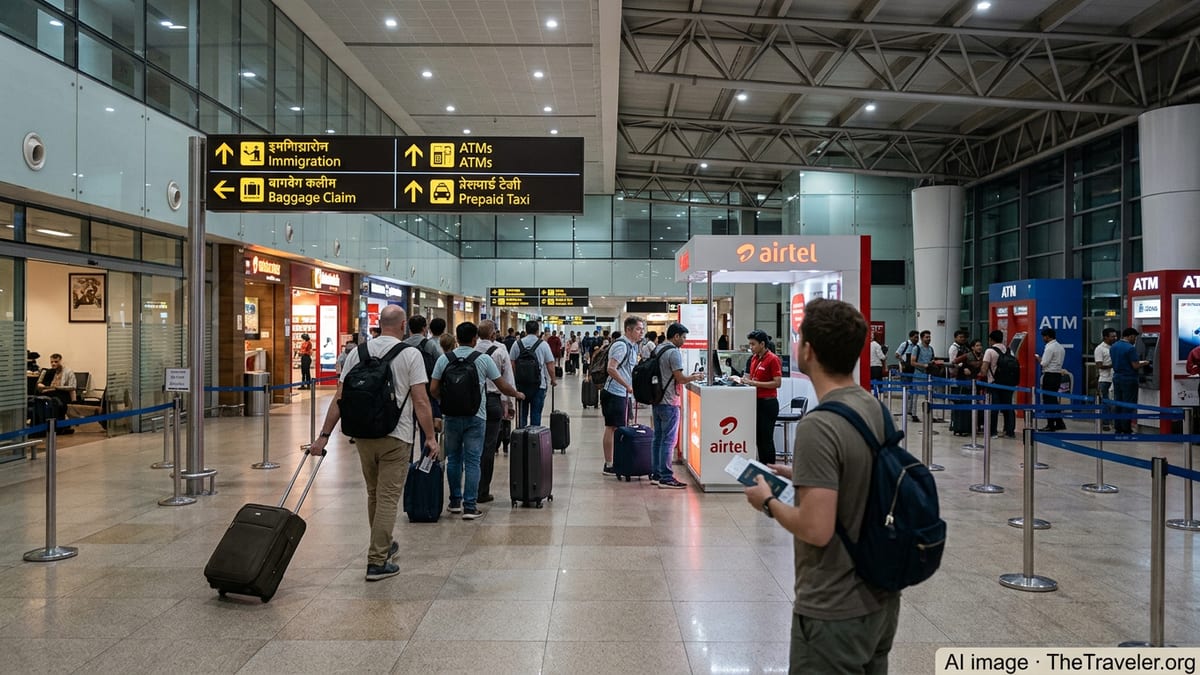
Expanded Network of Airports and Seaports for E-Visa Entry
Publicly available government documents and recent policy updates indicate that India has expanded its list of authorised immigration check posts that can process arrivals on electronic visas, adding 11 new airports and seaports to the network. The move builds on a decade of gradual liberalisation in which e-visa entry points were first extended from a small group of major hubs to dozens of airports and a growing number of seaports.
The latest expansion is understood to include a mix of emerging aviation hubs and strategic coastal gateways, reflecting the government’s parallel investments in regional connectivity and port-led development. New authorised posts are being notified through the Ministry of Home Affairs and the Bureau of Immigration, and then reflected on official e-visa and immigration portals as systems are updated.
These additions mean that more travellers arriving on e-tourist, e-business and e-medical visas can land closer to their final destinations rather than transiting through heavily congested metros. For non-resident Indians and persons of Indian origin using e-visas, the broader map of eligible entry points reduces domestic flight connections and cuts travel time for family visits, religious travel and business trips.
The policy change is aligned with a wider effort to modernise border control infrastructure, including the rollout of digital arrival systems and upgraded passenger-processing facilities at new and existing airports.
What the New E-Visa Ports Mean for NRIs
For NRIs who do not hold Overseas Citizenship of India cards and therefore rely on regular visas or e-visas, the expanded entry network is especially significant. Many members of the Indian diaspora are based in cities served by new or secondary airports that previously did not appear on the e-visa list, forcing long detours through a handful of major gateways.
With more regional airports and select seaports now designated for e-visa entry, travellers can in many cases fly directly into cities closer to their hometowns or business hubs. This is expected to be particularly relevant for routes linking the Gulf region, Southeast Asia, Europe and North America with tier-two Indian cities that have seen rapid growth in international services.
Travel industry observers suggest that the changes will give airlines additional flexibility to plan new point-to-point routes that rely heavily on diaspora traffic. As carriers look to deploy capacity beyond saturated metro airports, the assurance that e-visa passengers can clear immigration at newly authorised ports lowers operational barriers and may make seasonal or niche routes more viable.
For visiting family groups, including elderly travellers and children, the ability to clear immigration at a smaller, less congested airport can also translate into shorter queues, simpler transfers and a smoother overall arrival experience.
Tourism Strategy: Linking Easier Visas to Higher Arrivals
India’s tourism strategy in recent years has placed heavy emphasis on digitalisation and visa facilitation, from expanding the list of nationalities eligible for e-visas to refining stay limits and categories. Policy papers and official budget documents underline the belief that easing first-point-of-entry restrictions and improving user experience on the e-visa platform can unlock meaningful gains in visitor numbers and spending.
The addition of new e-visa ports fits into this narrative by addressing a practical friction point that has long affected tour operators and independent travellers alike: the need to align international flight schedules with a limited set of entry airports. With a larger number of coastal and inland gateways able to accept e-visa arrivals, tour itineraries can be designed more flexibly, including multi-city circuits and cruise-based programs.
Sea tourism stands to benefit as well. India has been working to position select ports as turnaround or transit points for cruise lines focusing on South Asian and Indian Ocean itineraries. Allowing more of these ports to process e-visa arrivals creates a clearer pathway for visitors joining or leaving cruises in India without complex visa arrangements, an important consideration for international operators planning future deployments.
Domestic tourism bodies have also argued that easier first entry for e-visa holders can diffuse tourism activity beyond traditional hotspots, giving smaller cities and lesser-known cultural or nature destinations a better chance to attract international visitors.
Digital Systems, Security and the IVFRT Framework
The opening of new ports to e-visa entry is closely tied to ongoing upgrades in India’s Immigration, Visa, Foreigners Registration and Tracking (IVFRT) platform. Government decisions to extend and fund this integrated system highlight the central role of technology in both facilitating travel and maintaining border security standards.
By bringing additional airports and seaports onto a common digital backbone, authorities aim to standardise how e-visa data is captured, verified and shared across agencies. This enables faster pre-arrival risk assessment while preserving the convenience of online applications and quick clearances for bona fide travellers.
Recent updates also reference the rollout of digital arrival cards and improved user interfaces on e-visa portals, designed to reduce errors and make it easier for travellers to understand changing entry rules. For NRIs and frequent visitors who may be navigating complex categories such as entry visas, e-tourist visas or longer-stay permissions, clearer guidance at the application stage is intended to cut down on last-minute surprises at the border.
Industry commentators note that as more ports come online, consistent training and equipment upgrades at immigration counters will be essential to ensure that policy changes translate into predictable experiences on the ground, particularly for first-time e-visa users and elderly travellers.
What Travellers Should Watch Before Their Next Trip
While the expansion of e-visa entry points is broadly positive, prospective visitors are being advised by travel agents and community forums to pay close attention to the fine print before departure. The list of authorised airports, seaports and land borders remains subject to periodic revision, and changes to which visa categories can enter where may not always be widely publicised.
Experts recommend that travellers verify, shortly before flying, that their planned port of arrival still appears among the e-visa-enabled immigration check posts, and that their specific e-visa category is accepted there. In some cases, policies distinguish between the point of first entry and subsequent entries on a multiple-entry e-visa, which can affect complex itineraries involving land borders or cruise segments.
NRIs and persons of Indian origin also face separate considerations concerning Overseas Citizenship of India documentation and eligibility for certain visa types. Public information on official portals has continued to stress that travellers should ensure they are applying for the correct category and carrying the required supporting documents, particularly when combining e-visas with long-stay or residency-linked plans.
As India adds more airports and seaports to its e-visa map, the overall direction is clearly toward greater openness and convenience. For the country’s large diaspora, the liberalisation of entry points is emerging as a key enabler that brings hometowns, families and business opportunities a little closer, even as the underlying border-control technology becomes more sophisticated.