


More news on this day
With the total solar eclipse of August 12, 2026 less than a year away, destinations under the path of totality in Iceland and Spain are experiencing a sharp surge in hotel demand, rapidly turning an astronomical event into a peak-season stress test for local accommodation markets.
Get the latest news straight to your inbox!
Astronomical Event Fuels Exceptional Demand
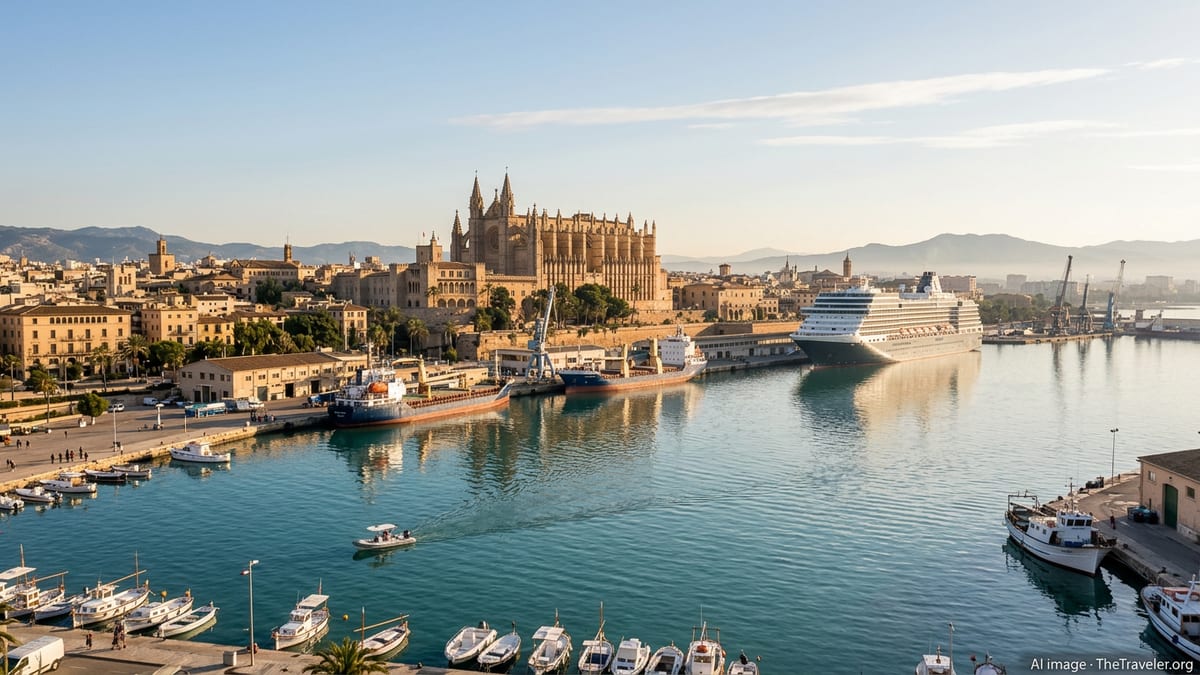
The 2026 total solar eclipse will sweep across Greenland, Iceland and the Iberian Peninsula on August 12, drawing eclipse chasers to a narrow corridor where the sun will be completely obscured for up to a few minutes. Publicly available astronomical data indicates that the path of totality will cross western Iceland before making landfall in northern Spain and continuing east across cities such as A Coruña, Bilbao, Zaragoza, Valencia and Palma.
Travel industry and academic analyses suggest that the event is set to generate hundreds of millions of euros in visitor spending, with small and mid-size cities in the eclipse corridor seeing some of the steepest increases in demand. One recent university-backed review of tourism patterns noted that international hotel bookings in smaller towns along the path have jumped by well over 300 percent compared with a typical year, underlining how the eclipse is reshaping travel flows for the peak European summer period.
In Spain, economic impact assessments prepared for national planning efforts indicate that hotel reservations for August 2026 in eclipse-affected regions are tracking nearly 18 percent higher than for August 2025, alongside an increase in scheduled airline seats for the week of the eclipse. The country is treating the phenomenon as a major tourism and logistical milestone, with planning efforts extending beyond astronomy to crowd management, transport and accommodation capacity.
Icelandic tourism bodies are also flagging the exceptional nature of the event. Guidance for visitors describes August as an already busy period, with the eclipse expected to push demand for rooms in the Westfjords, West Iceland, the capital region and the Reykjanes Peninsula to levels rarely seen outside special events.
Hotel Bookings Surge Along the Path of Totality
Hotel data providers report that Spain’s eclipse-path regions are among the fastest-growing markets in the country for 2026. Analysis from a global hospitality technology platform comparing stays around August 10 to 12, 2026 with the same mid-August window in 2025 shows bookings up by as much as 76 percent in some of the best-located viewing areas, with average daily room rates rising by up to 85 percent.
Consumer-facing travel coverage points to northern Spain as a particular hotspot. One widely cited travel report notes that hotel search interest for northern Spanish destinations around August 12 and 13 has more than doubled year over year, with A Coruña recording a spike of more than 400 percent, the highest increase among Spanish cities in the eclipse corridor. In many coastal and provincial centers near the central line of totality, availability for the key nights has become scarce or prohibitively expensive months ahead of the event.
Similar dynamics are playing out in Iceland. Local tourism information channels describe accommodations “in or near the path of totality” as effectively sold out for many months, with any remaining options frequently priced multiple times above usual August rates. Informal reports shared by visitors and hoteliers point to entire blocks of rooms being reserved by specialist tour operators years in advance, leaving independent travelers to compete for a shrinking pool of remaining beds.
Across both countries, patterns also suggest a spillover effect into areas just outside the eclipse corridor. Travelers unwilling to pay peak premiums or unable to secure central locations are booking in secondary towns and cities and planning to drive into the path of totality on the day, further widening the accommodation footprint of the event.
Rising Prices, New Capacity and Ethical Questions
The eclipse has become a clear revenue opportunity for many hotels, rural guesthouses and short-term rentals in the affected regions. Industry analyses show that hoteliers in Spain’s northern coastal provinces and in parts of inland Castile and León are testing premium pricing strategies typically reserved for major sporting events or festivals, lengthening minimum stays and tightening cancellation policies around the eclipse dates.
Some accommodation providers in Iceland and Spain are reported to be holding back inventory or blocking the key nights until closer to the event, a practice intended to preserve flexibility but one that can make it harder for individual travelers to plan. At the same time, examples have emerged of large tour groups cancelling substantial allocations of rooms as itineraries are revised, briefly releasing capacity back into the market at short notice.
The scale of demand is encouraging new and temporary capacity. In Spain, local coverage notes that rural houses, agritourism properties and small hotels along the path are expanding room counts, preparing glamping-style options or partnering with nearby landowners to host overflow camping. In Iceland, tourism planners are emphasizing the role of self-guided travel with pre-booked accommodation, while also signaling that informal camping or overnight parking will be tightly regulated in order to protect sensitive landscapes.
The boom is also prompting renewed discussion about responsible tourism. Commentators highlight that some Spanish villages and coastal communities directly under the eclipse track have minimal tourism infrastructure and limited services. Travelers are being urged by public information campaigns and travel writers to respect local routines, avoid overcrowding small public spaces and verify that marketing promises such as “eclipse views” correspond to real, unobstructed sightlines to the low western horizon.
Tour Operators, Cruises and Package Strategies
Beyond conventional hotels, the 2026 eclipse is driving a wave of specialized travel products. International tour operators and niche astronomy-focused agencies are marketing eclipse packages that combine viewing in northern Spain with broader cultural itineraries across the Iberian Peninsula. Sample itineraries in circulation include multi-day routes taking in the Picos de Europa, historic cities such as León and Burgos, and dedicated viewing sites positioned close to the center line of totality.
Ocean-going options are also part of the eclipse travel landscape. Cruise brochures from major lines and member organizations of large automobile clubs feature Mediterranean and Atlantic voyages timed to position ships near the eclipse track off Portugal and Spain. These sailings are marketed around the promise of clearer horizons and the flexibility to adjust position in response to late-breaking weather forecasts, although they typically command premium fares.
Domestic and regional tour providers in Iceland are weaving the eclipse into existing nature-focused offerings. Day tours and short breaks that once emphasized geothermal spas, glacier views and coastal cliffs are now being rebranded to include eclipse observation, often with professional guides and safety briefings built in. This packaging approach allows operators to smooth demand across a wider window while capitalizing on travelers who want both astronomical and outdoor experiences.
For mainstream travel agencies and online booking platforms, the eclipse represents an opportunity to cross-sell flights, car rentals and insurance products alongside accommodations. Travel advisories stress the importance of flexible arrangements, especially for visitors planning to relocate within the path of totality at short notice if cloud cover threatens visibility in their initial location.
What Travelers Should Expect in 2026
For travelers still hoping to secure accommodation in prime viewing zones, the emerging picture is one of limited choice, higher prices and a need for flexibility. Travel media features focused on the 2026 eclipse consistently recommend booking immediately for any hotel or rental directly under the path of totality, scrutinizing cancellation terms and considering less obvious locations within driving distance of the central line.
Publicly available guidance from tourism boards in Iceland and Spain underscores that mid-August is already peak season, with the eclipse adding another layer of pressure on transport, car rentals, restaurants and public services. Visitors are being advised to allow extra time for road travel on August 12, to avoid last-minute accommodation searches and to rely on certified solar viewing equipment.
The boom in bookings is also generating opportunities for communities and businesses far beyond the main tourism hubs. Secondary towns, inland regions and islands near the eclipse corridor are seeing increased interest from travelers willing to commute for the event, creating a more dispersed pattern of economic benefits. Industry forecasts suggest that if weather conditions cooperate, the 2026 eclipse could stand as one of the most lucrative single-day drivers of hotel revenue in recent European tourism history.
At the same time, the experience of recent eclipses in other parts of the world suggests that some travelers will inevitably make late decisions, relying on remaining inventory, homestays, or even day trips from major cities outside the path. For those visitors, understanding the tight accommodation market, respecting local capacity limits and planning well ahead for August 12, 2026 will be essential to making the most of a rare celestial event that is already reshaping booking patterns across two countries.