

More news on this day
A luxury expedition cruise tracing a remote route between South America and West Africa has become the focus of a global health scare, as an outbreak of the rare and often deadly Andes hantavirus leaves scores of passengers and crew effectively stranded at sea while investigators race to contain further spread.
Get the latest news straight to your inbox!
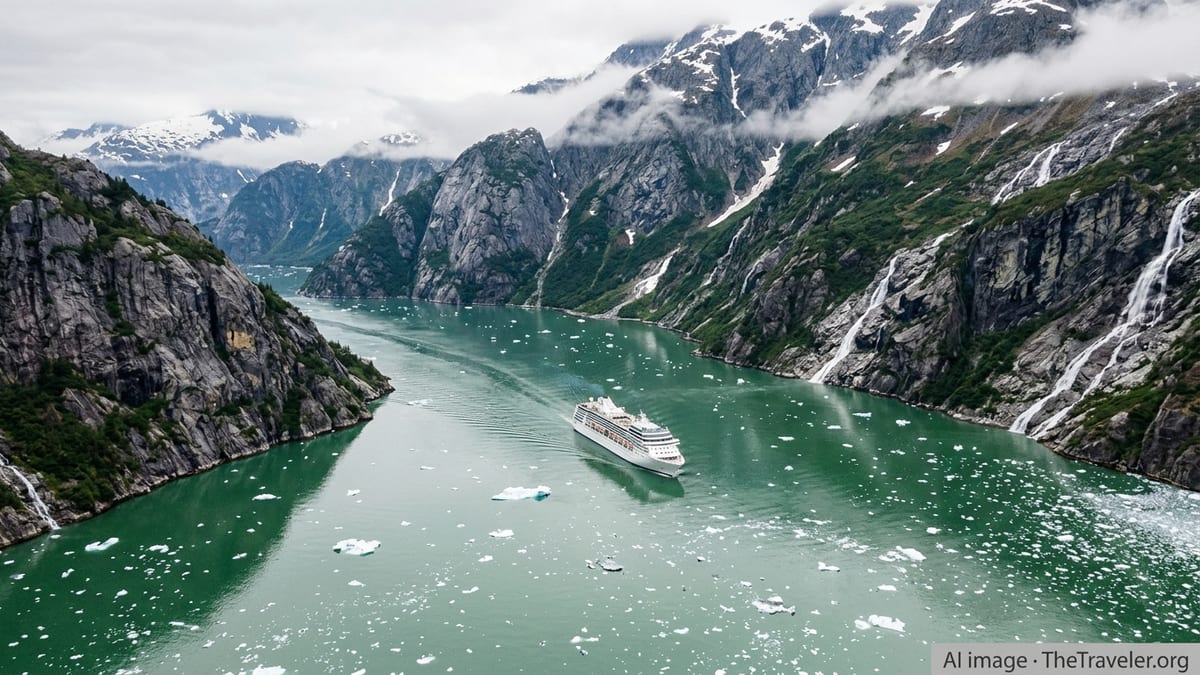
Remote Expedition Voyage Turns Into Health Emergency
The vessel at the center of the outbreak, the Dutch-flagged polar expedition ship MV Hondius, departed Ushuaia in southern Argentina in early April with roughly 150 passengers and crew on board. The itinerary promised wild Atlantic islands and a landfall in the Cape Verde archipelago, attracting travelers seeking a once-in-a-lifetime journey rather than a conventional resort-style cruise.
That promise unraveled over a period of weeks as a cluster of severe respiratory illnesses emerged among passengers. According to publicly available timelines, the first traveler developed fever and flu-like symptoms in early April while the ship was still far from any major port. Within days, the condition deteriorated into respiratory distress and the passenger died on board, prompting the first internal alarm about a serious health event at sea.
Subsequent deaths and medical evacuations linked to similar symptoms transformed what had appeared to be isolated medical incidents into a suspected outbreak. Health agencies in Europe, Africa and South America later reported that tests on several affected travelers pointed to infection with a hantavirus, a rodent-borne pathogen rarely seen in such settings.
As suspicion hardened around a single cause, the Hondius continued its voyage across the South Atlantic, at times hundreds of miles from the nearest harbor equipped to receive potentially infectious patients. That distance, combined with the long incubation period of hantaviruses, meant more passengers were likely already incubating illness before the first test results were available on shore.
Andes Hantavirus Confirmed as Case Numbers Grow
Within days of the first laboratory confirmations, international health bodies reported that the specific pathogen involved was the Andes virus, a hantavirus strain known primarily from Chile and Argentina. Published coverage from the World Health Organization and regional public health agencies indicates that this is the only hantavirus strain with documented person-to-person transmission under conditions of close and prolonged contact.
To date, at least three deaths have been linked to the Hondius outbreak, with additional passengers and crew listed as confirmed or probable cases in official tallies. Reports from South African and European health authorities describe one passenger receiving intensive care in Johannesburg, while other travelers who disembarked earlier in the voyage later tested positive after returning home.
Andes hantavirus infection can lead to hantavirus cardiopulmonary syndrome, a rapidly progressive illness that typically begins with fever, headache and digestive symptoms before advancing to coughing, shortness of breath and, in severe cases, respiratory failure. Case fatality rates cited in scientific literature are high compared with many other viral respiratory infections, contributing to the alarm surrounding the Hondius cluster.
Experts quoted in outlets such as the Associated Press, The Washington Post and specialist disease bulletins emphasize that even in South America, hantavirus infections remain uncommon. The rare convergence of a difficult-to-treat virus, a confined shipboard environment and long distances from advanced medical care has drawn comparisons to earlier cruise-related health crises, while also underscoring the very different biology and transmission dynamics of hantaviruses compared with more familiar respiratory viruses.
Passengers Stranded at Sea as Officials Weigh Next Steps
As the health picture clarified, the Hondius found itself effectively stranded in the Atlantic, near the west coast of Africa. Reports from European news outlets describe the ship being held offshore for extended periods while port states, the flag state and international health agencies coordinated a response and debated how best to manage the remaining passengers and crew.
Several severely ill individuals have been evacuated by air or sea to hospitals in South Africa and Europe, but most people on board remain confined to the vessel under tightened infection-control protocols. Publicly available information indicates that cabins and common spaces have been reorganized to limit close contact, with symptomatic individuals isolated where possible and masks and hygiene measures promoted throughout the ship.
Despite these precautions, the combination of long incubation times, the possibility of human-to-human spread and the ship’s earlier port calls has complicated decisions about where and when the Hondius can dock. European disease control agencies have advised that any receiving port prepare for careful screening, medical assessment and follow-up monitoring of all disembarking travelers, as well as thorough decontamination of affected areas on board.
Media accounts from passengers’ families and travel operators point to growing anxiety among those still at sea, who are balancing the relative safety of isolation on the ship against the psychological strain of confinement and uncertainty about repatriation plans. For port communities in potential receiving countries, the episode has reopened debates about how prepared small islands and remote coastal regions are to manage high-consequence infectious disease events tied to global tourism.
Global Contact Tracing Extends Far Beyond the Hondius
One of the most challenging aspects of the Hondius outbreak is that dozens of passengers left the ship before the full extent of the situation was recognized. According to reports from the Associated Press, European broadcasters and regional health ministries, at least several dozen travelers of more than a dozen nationalities disembarked at stops including the remote island of Saint Helena and later flights onward to Europe, North America and other destinations.
Publicly accessible case summaries indicate that some of these travelers developed symptoms only after leaving the ship, leading to positive tests in countries such as Switzerland and South Africa. In one widely reported instance, a cabin companion of an early fatal case tested positive for Andes virus after returning home, while another traveler linked to the cruise was diagnosed following a commercial flight, prompting precautionary monitoring of fellow passengers.
Health agencies in multiple regions have now launched international contact-tracing efforts to identify, notify and assess those who may have been exposed during the voyage or subsequent air travel. Dedicated online dashboards have appeared to collate official updates about case numbers, ship movements and national responses, reflecting a fast-evolving situation that crosses numerous jurisdictions.
These efforts highlight the particular vulnerabilities of expedition-style cruises, which often combine far-flung itineraries with tightly knit groups of travelers from many countries. Once an infection with a long incubation period enters that ecosystem, it can seed cases into widely dispersed health systems long after the vessel itself has left any given port.
Travel Industry and Health Officials Confront New Lessons
The Hondius outbreak is prompting renewed scrutiny of how the cruise and expedition travel sectors plan for rare but high-impact infectious disease threats. Industry-standard measures typically focus on more common problems such as norovirus and seasonal respiratory illnesses. Publicly available guidance indicates that specialized preparedness for pathogens like hantavirus, with their rodent reservoirs and atypical presentation, has historically received less attention outside endemic regions.
European and international disease surveillance bodies have already issued technical briefs analyzing possible routes of exposure on board, from contamination of stored goods to contact with rodent excreta prior to embarkation. While early assessments suggest that the index infections were likely acquired on land in South America before passengers joined the voyage, close-quarters interaction on the ship may have amplified spread within a subset of travelers.
For prospective travelers, the episode underscores the importance of understanding both the medical capabilities available on remote itineraries and the potential for sudden changes to a voyage in response to health emergencies. In the wake of the covid era, many cruise lines updated outbreak playbooks, but the Hondius incident is showing how a different class of pathogen can expose fresh gaps in contingency planning.
For now, the Hondius and those still aboard sit at the intersection of global tourism and emerging infectious disease risk, a stark reminder that even highly specialized adventure cruises can become unexpected flashpoints in the world’s ongoing negotiation with new and re-emerging pathogens.