


More news on this day
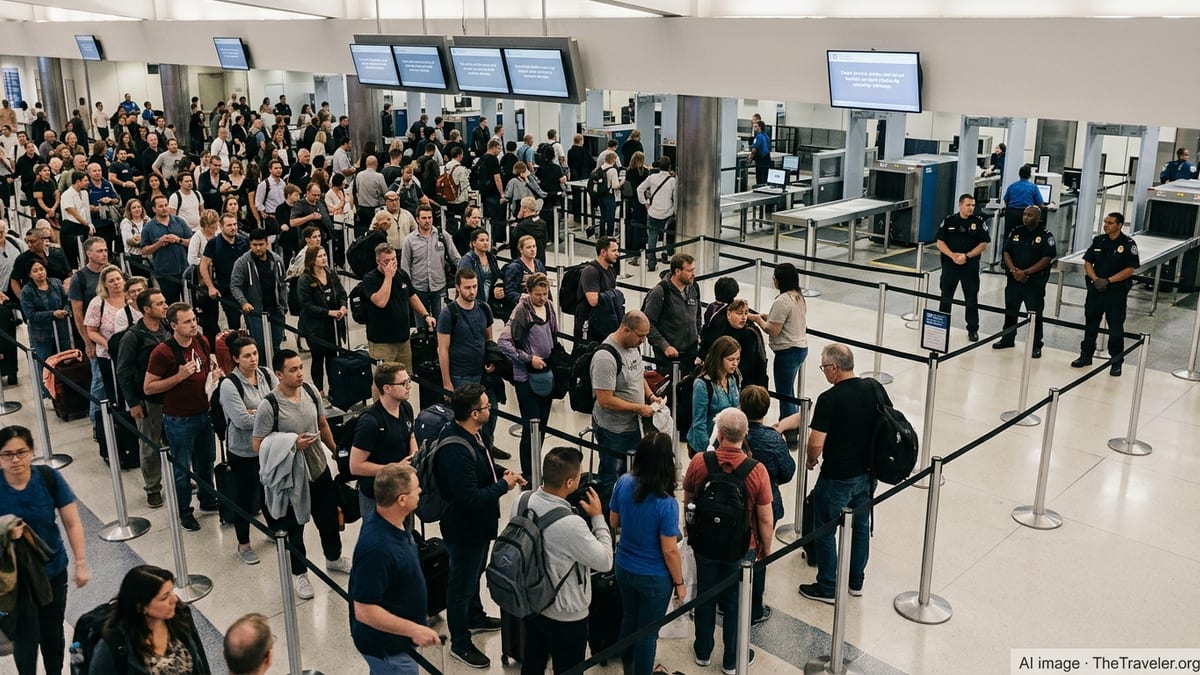
With delayed departures now a routine part of global air travel, many passengers are rethinking how to use unexpected hours in the terminal, shifting from frustration to strategy.
Get the latest news straight to your inbox!
Turn the terminal into a wellness stopover
Airport delays are colliding with a broader wellness push in the travel industry, and many hubs are responding by rebranding waiting time as recovery time. Recent coverage highlights a surge in airport spas, wellness lounges and pay-per-use nap pods that offer short treatments, showers and quiet spaces intended to counter jet lag and stress.
Large international airports have led the trend, with facilities that range from express facials and chair massages to guided meditation rooms. Reports indicate that even when travelers do not book a full treatment, access to calmer zones with softer lighting, lounge chairs and hydration stations can noticeably change the feel of an extended wait.
Analysts note that these services are not purely altruistic: operators pay premium rents for compact footprints in high-traffic terminals, and the price per minute for some wellness pods remains steep. Yet for passengers facing multi-hour delays, the ability to lie flat, reset in a nap pod or take a quick massage can turn an exhausting layover into what feels like a planned wellness stop.
Travel advisers suggest checking terminal maps or airline apps at the first sign of a delay, as wellness facilities can be clustered in specific concourses and may require advance reservations during peak periods.
Upgrade comfort with lounges and premium quiet zones
At the same time, airport lounges are positioning themselves as the most reliable antidote to disruption. While once reserved mainly for frequent flyers and premium cabins, many lounges now sell day passes or partner with credit cards, making access more attainable for travelers who only occasionally fly.
Lounges commonly offer comfortable seating, dedicated work areas, food buffets and complimentary drinks, helping passengers navigate extended delays in a calmer setting than the main concourse. Some have added wellness zones, family rooms and shower suites in response to survey data showing that passengers want more human-centered and personalized airport experiences.
Outside formal lounges, newer terminals are carving out semi-quiet public zones with power outlets, softer seating and fewer boarding announcements. These areas, which do not require membership, are designed to give travelers a space to read, rest or work without the constant movement of gate areas.
Consumer travel reports recommend comparing the cost of a lounge pass with typical airport spending on food, drinks and Wi-Fi during a delay. For passengers facing an hour or more of disruption, the total often comes out in favor of a lounge, particularly where hot meals and reliable workspaces are included.
Build a productive “pop-up office” at the airport
For business travelers and remote workers, a delayed departure increasingly doubles as an unplanned work session. Research from airport design firms points to a rising cohort of passengers who expect to maintain full productivity from curb to gate, prompting airports to invest in stronger Wi-Fi, charging infrastructure and even dedicated coworking spaces.
Some hubs now host full-service work lounges and coworking centers close to the terminal, equipped with desks, meeting rooms and printing facilities. These spaces are marketed to frequent flyers who prefer to front-load emails, presentations or video calls instead of letting disruption eat into time at their destination.
Even without formal coworking facilities, experts advise treating the airport as a temporary office by choosing seating near power outlets, using noise-cancelling headphones and setting up short, focused work blocks that fit within the delay window. Travelers are encouraged to download key documents for offline access in case of congested networks during peak disruption periods.
Delays of 60 to 90 minutes, which recent data suggests are not uncommon at some busy hubs, can be long enough to complete meaningful tasks such as expense reports, trip planning, or project outlines, turning idle time into measurable progress.
Explore terminal culture, retail and art without losing track of time
Beyond wellness and work, more airports are positioning themselves as cultural spaces, using art installations, curated retail and local food to soften the impact of delays. Industry analyses describe terminals that function as compact city districts, with galleries, live music, temporary exhibitions and regionally focused restaurants aimed at showcasing local identity.
Passengers facing moderate delays can use the time to walk the terminal, both for light exercise and discovery. Some hubs publish self-guided art or architecture trails, while others highlight local chefs or brands in pop-up kiosks. For families, children’s play areas and interactive exhibits can help diffuse the tension that often builds when departure times slip.
Travel planners caution that exploration should be balanced with careful time management. Security re-screening, terminal transfers and longer walks between concourses can quickly erode a buffer. Checking gate changes frequently and setting multiple alarms when leaving the immediate boarding area remain simple but critical safeguards.
With more travelers prioritizing experiences over transactions, airports that invest in distinctive cultural offerings can turn what was once a purely functional space into a memorable part of the journey, even when irregular operations disrupt schedules.
Use extra time to future-proof your travel routine
Industry surveys show that concern about delays and cancellations is reshaping how people plan trips. A significant share of travelers now report building in longer connection times, avoiding checked bags where possible and arriving earlier than in previous years, all in response to mounting disruption.
When a delay does occur, experts recommend using at least part of that extra time to improve future resilience. That can include reviewing airline apps and notification settings, enrolling in biometric or trusted traveler programs that speed up security and border checks, and organizing digital travel documents so they are easier to access on subsequent trips.
Passengers can also use waiting time to track how a specific airline or airport handles disruption, taking note of rebooking options, meal vouchers or service desks that appear during irregular operations. Over time, this information can inform carrier choices and routing strategies, especially for travelers with tight connections or important events at their destination.
As statistics continue to show that a meaningful percentage of flights depart behind schedule each year, the shift in mindset from passive waiting to active planning is likely to persist. For many travelers, a delayed departure is increasingly seen as an opportunity to test new tools, routines and services that may make the next disruption less stressful.