


More news on this day
Passengers traveling through Manchester Airport on August 3 encountered a fresh round of delays and cancellations across both arrivals and departures, with disruption affecting short-haul European services as well as domestic routes throughout the day.
Get the latest news straight to your inbox!
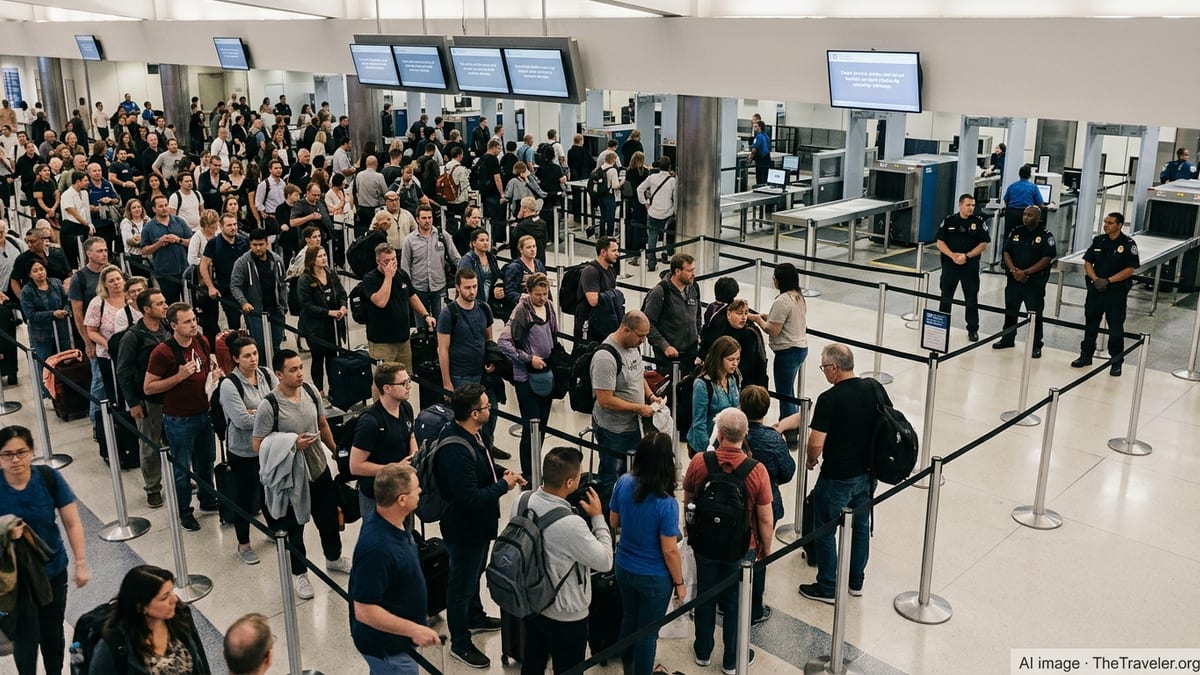
Morning Departures Hit by Early Cancellations
Publicly available flight-tracking boards for Manchester Airport showed disruption building from the early morning peak on August 3, with several departures listed as cancelled or subject to extended delays. Short-haul services to key hubs in mainland Europe were among the first affected, leaving early travelers facing last-minute changes and rebooking queues at departure terminals.
Data from live departure feeds indicated that some first-wave flights did not leave their stands, with statuses switching from scheduled to cancelled as the morning progressed. Other aircraft pushed back significantly behind schedule, in some cases more than an hour later than their advertised departure times, compressing connections for onward journeys.
According to information published by airlines and airport-facing data providers, the concentrated impact on early departures reflected both residual disruption from previous days and operational constraints within the morning peak. As schedules tightened, even modest delays on individual aircraft began to cascade across later rotations.
Arrivals See Knock-on Delays Across European Routes
While outbound passengers bore the brunt of early cancellations, inbound services to Manchester Airport also recorded a pattern of late arrivals on August 3. Flight-status feeds showed a number of European services touching down significantly behind schedule, in some cases more than thirty minutes past their planned arrival times.
Information aggregated from airline and airport data suggests that a combination of factors contributed to the delays, including congestion at origin airports and wider air traffic control restrictions that reduced overall capacity on busy corridors. As aircraft arrived late into Manchester, their subsequent departures were also pushed back, compounding disruption for travelers booked on later sectors.
Industry analysis has repeatedly highlighted how delays at hub airports and weather-related slowdowns can trigger extended knock-on effects. Research into airport on-time performance shows that when turnaround windows are compressed, even small schedule deviations can escalate into longer delays for subsequent flights using the same aircraft and crew.
Weather and Operational Pressures Underpin Disruption
Conditions on August 3 did not feature a single headline incident at Manchester Airport, such as a prolonged runway closure, but operational data and published commentary point to a confluence of smaller pressures. Summer schedules are running close to declared capacity, meaning that any localized weather, congestion or technical issue can quickly reduce punctuality.
Manchester’s role as one of the United Kingdom’s busiest airports, handling tens of millions of passengers a year, amplifies the effect of minor disruptions on overall performance. With tightly timed rotations and high aircraft utilization across low-cost and leisure carriers, crews have limited flexibility to absorb delays once they occur.
Specialist studies on delay propagation in aviation have underscored this vulnerability in peak travel seasons. When runway slots, stand availability and staffing are all running at or near maximum use, recovery windows narrow and airlines often have to resort to selective cancellations to prevent more severe schedule breakdowns later in the day.
Passengers Face Rebooking, Missed Connections and Longer Waits
For travelers at Manchester Airport, the practical impact of the August 3 disruption was felt in longer queues, reissued boarding passes and uncertainty over onward travel. Cancellations on morning departures led some passengers to seek same-day alternatives via other UK airports or to delay trips entirely, depending on seat availability and fare rules.
Those with tight onward connections, particularly through European hubs, were among the most exposed. Live itinerary and connection tools showed that several late-running services into major transfer airports reduced buffers for long-haul departures, increasing the risk of missed flights and unplanned overnight stays.
Consumer guidance issued by aviation watchdogs and passenger-rights groups reiterates that travelers affected by cancellations or significant delays may be entitled to assistance, rerouting or compensation, depending on the cause and the airline involved. However, in periods of peak-season disruption, securing alternative arrangements can be challenging as remaining seats on popular routes fill quickly.
What Travelers Should Check Before Heading to the Airport
Given the pattern of delays and cancellations at Manchester Airport on August 3, travel advisors and published guidance consistently recommend checking flight status repeatedly in the hours before departure. Airline apps, email alerts and live departure boards typically provide the earliest indication of schedule changes, gate moves or flight consolidations.
Passengers are also encouraged to allow additional time at the airport, particularly during early-morning and late-afternoon peaks when queues at check-in and security can lengthen quickly. With schedules running close to capacity, missing a bag-drop or boarding deadline can leave travelers with few same-day alternatives if a flight is operating full.
For those with essential same-day connections or time-sensitive plans, monitoring weather forecasts, rail strikes and broader transport conditions can offer early warning of potential disruption in the wider network. While the August 3 issues at Manchester Airport did not stem from a single high-impact incident, the day’s pattern of cancellations and delays underlines how quickly everyday pressures in a busy summer season can translate into travel headaches for passengers.