


More news on this day
From courtroom drama and washed-out roads to record-breaking heat and major downtown construction, a wave of disruptions and investments is reshaping how travelers move through Las Vegas and other U.S. destinations this summer.
Get the latest news straight to your inbox!
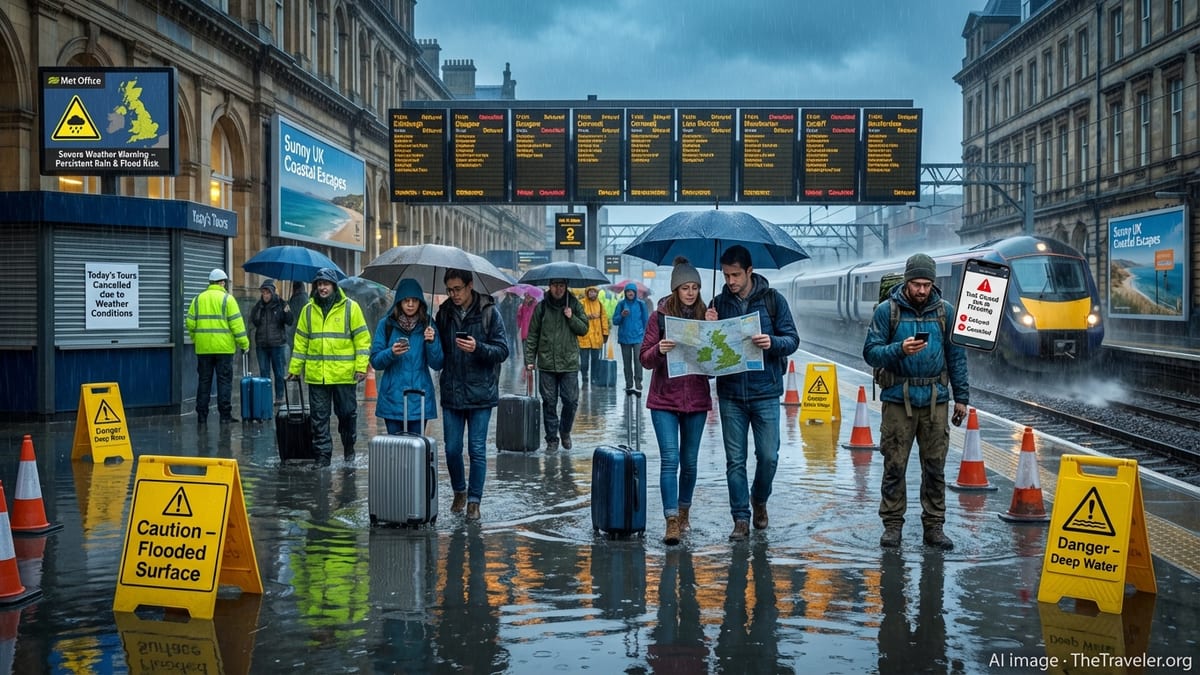
Las Vegas Flooding Renews Focus on Desert Travel Risks
Summer storms in and around Las Vegas have once again highlighted how quickly flash flooding can transform a desert vacation into a logistical challenge. Recent heavy rain has led to localized street flooding, temporary road closures and delays around major tourist corridors, echoing previous episodes in which standing water briefly seeped into casino garages and low-lying pedestrian routes. While core resort operations have largely continued, the images of rushing water along normally dry streets have circulated widely on social media, prompting new questions from visitors about seasonal risks.
Reports indicate that surface streets, underpasses and stretches of Interstate access are particularly vulnerable when intense downpours sit over the valley. Transportation agencies have periodically diverted traffic away from flooded lanes, and ride-hailing drivers have described circuitous detours to reach hotel porte-cochères on the Strip and in the downtown district. Visitors arriving by car from Southern California and Arizona have also encountered slower travel times when desert washes overflow near the Nevada border.
Publicly available information from past storm events shows that while major resorts have invested heavily in drainage and pumping systems, travel plans can still be disrupted when monsoon-style weather develops rapidly in the late afternoon or evening. Tourism officials traditionally emphasize that most indoor attractions remain open, but seasoned visitors increasingly treat summer in Las Vegas as a season that requires flexible itineraries, travel insurance and close monitoring of weather alerts.
For travelers planning upcoming trips, the pattern underscores the value of building extra time into airport transfers and long drives, particularly during the late July and August monsoon window. Parking on higher levels of garages, avoiding low-lying lots and checking hotel communications for any local advisories have become practical steps for minimizing weather-related headaches.
Record Heat Alters U.S. Summer Itineraries
Across much of the United States, record and near-record heat has become the defining feature of the 2026 summer travel season. Meteorological summaries point to persistent "heat dome" patterns that have pushed triple-digit temperatures into regions unaccustomed to prolonged extremes, raising health concerns and altering the rhythm of vacations. In many cities, including key air hubs and tourism centers, extended heat advisories have coincided with the peak travel period around the Independence Day holiday and the weeks that followed.
According to national weather assessments, July 2026 is tracking to be among the hottest months on record for the contiguous United States, with many locations setting new daily highs and experiencing elevated overnight temperatures that limit relief. This has had immediate implications for travelers, from amended theme park hours to the rescheduling of outdoor festivals and sports tournaments. In some destinations, local transit agencies and visitor bureaus have promoted indoor cultural attractions, shaded walking routes and early-morning tours as safer alternatives to midday sightseeing.
Transportation networks are also feeling the strain. Airlines and rail operators have faced operational constraints during the hottest afternoons, when high temperatures can affect aircraft performance and track conditions. Some passengers have reported schedule adjustments and equipment swaps designed to keep operations within safety margins. Travel insurers and consumer advocates are advising travelers to scrutinize heat-related coverage and to plan for greater variability in daytime activities.
For road trippers, the heat is influencing route selection and vehicle preparation. Auto clubs and emergency managers are urging travelers to carry extra water, check cooling systems and plan more frequent rest breaks, particularly on long stretches through the Southwest and Great Plains. With climate data suggesting that extreme heat events are becoming more frequent and intense, travel planners are starting to frame summer itineraries with the same level of caution traditionally reserved for hurricane season.
Downtown Las Vegas Projects Redraw the Urban Travel Map
Even as weather dominates many travel headlines, long-planned construction is quietly transforming how visitors will experience downtown Las Vegas in the coming years. The city has recently publicized a request for proposals covering roughly 11 acres in the heart of downtown, a site often referred to in planning documents as the "Downtown Assemblage." The initiative invites developers to submit concepts for a large mixed-use district that could blend residential, hospitality, retail and public space in an area already gaining momentum with new cultural and entertainment offerings.
Separate from the assemblage, the Midtown Las Vegas project in the city’s Arts District has reached a key construction milestone as foundation work proceeds on a major mixed-use complex. Developer statements describe plans for hotel rooms, residences, retail and public areas intended to knit together emerging neighborhoods just south of Fremont Street and the Fremont East entertainment zone. Observers of the local market see these investments as part of a broader effort to diversify downtown beyond purely gaming-focused attractions.
City planning reports and redevelopment agency updates outline a wider framework that includes new civic spaces, trail connections and cultural facilities intended to support both residents and the visitor economy. Projects such as a revamped civic center campus, enhanced pedestrian corridors and potential museum expansions are designed to make downtown more walkable and appealing for multi-night stays. For travelers, this could mean more options within a short distance of classic icons like the Fremont Street Experience and the Neon Museum.
In practical terms, visitors arriving over the next several years can expect a downtown skyline punctuated by cranes, detours and evolving streetscapes. Hotel marketers are likely to spotlight proximity to new food halls, galleries and performance venues as projects open in phases. Travel advisers increasingly recommend that repeat Las Vegas visitors allocate at least one full day to exploring downtown on foot, with a particular focus on the Arts District, Symphony Park and the corridors around the planned assemblage site.
Rail Disruptions and Derailments Complicate Overland Travel
Beyond Nevada, rail travelers across parts of the United States have faced periodic disruptions tied to infrastructure stress, including train derailments that have attracted national attention. While large-scale incidents remain statistically rare, recent cases involving freight and regional passenger lines have prompted schedule changes, temporary line closures and substitute bus services that ripple into the broader travel ecosystem.
Public reports on safety investigations frequently cite a mix of human error, track conditions and extreme weather as contributing factors to derailments and service interruptions. High heat can cause rails to expand, while intense rainfall can destabilize embankments, making certain corridors more vulnerable during prolonged hot and wet spells. In response, operators have introduced slow orders on vulnerable stretches, reduced train lengths or adjusted dispatching to lower risk during peak stress periods.
For travelers who rely on long-distance trains as a lower-carbon alternative to flying, these disruptions can translate into longer journey times and less predictable connections. Travel planners now often advise passengers to build in wider buffers between train arrivals and subsequent flights, cruises or tours, particularly in regions prone to severe summer weather. Some travelers are also reconsidering overnight rail segments in favor of multi-leg itineraries that distribute risk across different modes.
Insurance specialists and consumer advocates note that policies vary considerably in how they treat rail-related delays and cancellations. Reading the fine print, keeping documentation of disruption notices and monitoring operator alerts via apps or station boards are becoming essential steps for those who choose rail as a primary mode during peak travel seasons.
Courtroom Events and Traveler Perception: The Stapleton Trial
While infrastructure and weather usually dominate practical trip-planning concerns, high-profile court cases can also influence traveler perceptions of safety and destination appeal. The ongoing Stapleton trial, involving allegations that have drawn wide national media coverage, is a recent example of a legal proceeding shaping public conversation far beyond the courthouse. Although the case is not directly linked to a particular tourist attraction, its visibility across news outlets and social platforms has led some would-be travelers to reassess plans connected to the personalities and locations associated with the case.
Travel behavior research has shown that widely publicized trials can temporarily alter the image of cities where proceedings take place or of destinations linked indirectly through celebrity or corporate ties. Publicly available commentary suggests that some visitors are wary of potential protests, media crowds or heightened security measures that can accompany such events. Others may be drawn by curiosity, building visits into broader cultural or true-crime tourism itineraries that include courthouse districts, museums and walking tours.
In the case of the Stapleton proceedings, coverage has focused primarily on legal arguments, timelines and potential sentencing outcomes, but travel industry observers are also tracking any short-term swings in hotel searches, event bookings or local transportation demand near the courthouse area. These impacts, if they materialize, tend to be uneven and time-limited, often fading once verdicts are reached and media attention moves on.
For most travelers, the practical takeaway is to stay informed rather than alarmed. Monitoring local news for information about street closures, demonstration permits or courtroom scheduling can help visitors avoid congestion and adjust daily routes. In destinations where major trials coincide with large conventions or festivals, early accommodation booking and flexible daily plans can mitigate most of the indirect effects that high-profile legal cases might have on the travel experience.