


More news on this day
Passengers travelling through Birmingham Airport today are being advised to check live flight information as a series of delays and a small number of cancellations affect services across several domestic and European routes.
Get the latest news straight to your inbox!
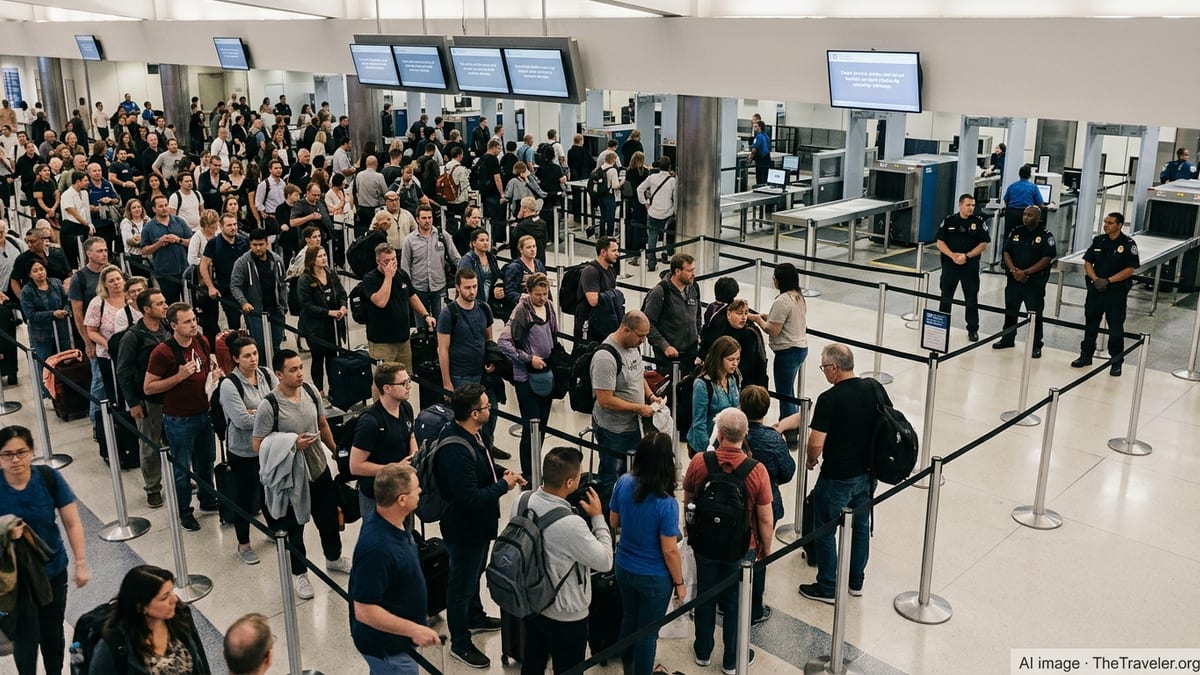
Mixed Picture Across Departures and Arrivals
Live operational data this morning shows a varied pattern at Birmingham Airport, with many flights running to schedule while others are experiencing minor to moderate delays. Some services are departing close to their planned times, but a number of early and mid-morning departures have been pushed back, particularly on routes within the United Kingdom and nearby European destinations.
Arriving services paint a similar picture. Several inbound flights have landed close to their scheduled arrival times, while others have run late, in some cases by more than an hour. This uneven performance is typical of days when airlines and air traffic control are managing residual disruption from weather or operational issues elsewhere in the network.
Publicly available data indicates that, while the airport remains fully open, travellers connecting on to other flights later in the day may face tighter transfer windows than planned. Passengers with time-critical journeys are therefore being encouraged to build in additional buffer time and to monitor their flight status frequently.
Despite the disruption, the majority of services continue to operate, and there is currently no indication of a complete shutdown of any part of the airport’s operation. The impact is instead being felt through isolated cancellations and a larger share of delayed flights than would typically be expected on a routine weekday.
Notable Cancellations and Heavily Delayed Flights
While most Birmingham Airport services are still running, a small number of flights have been cancelled outright. These cancellations appear to be scattered across the timetable rather than concentrated within a single airline, destination, or time band, suggesting a mix of operational and scheduling decisions within individual carriers’ wider networks.
In addition to outright cancellations, several flights are showing significant delays. Some services between Birmingham and other UK cities have arrived or are expected to arrive many hours behind schedule, reflecting the knock-on effects of earlier disruption. In particular, flights that depend on aircraft and crews arriving from other parts of Europe have proved vulnerable when earlier legs in the schedule have been delayed.
Observers of live tracking services note that this pattern is consistent with broader pressures on European aviation, where weather-related bottlenecks and aircraft rotation challenges can quickly ripple through daily schedules. When aircraft arrive late into Birmingham, the following departure often inherits the delay, which can then cascade throughout the day unless airlines are able to swap in spare planes or crews.
Passengers booked on later departures are therefore being advised to treat currently “on time” statuses as provisional and to keep watching for updates, especially where their aircraft is inbound from a location that has already seen disruption today or over the weekend.
Likely Causes Behind Today’s Disruption
Publicly accessible aviation data and recent media coverage suggest that today’s delays and cancellations at Birmingham Airport are part of a wider pattern affecting multiple UK and European hubs rather than a single localised breakdown. Weather systems moving across parts of Europe in recent days have led to congestion, extended air-traffic control restrictions and ground handling challenges that can leave aircraft and crews out of position.
Operational documentation for Birmingham Airport outlines the complex coordination required between airlines, handling agents and air traffic services to keep aircraft moving efficiently. When one link in that chain is disrupted, for example by a late-arriving inbound service or a technical issue with aircraft or ground equipment, subsequent flights can be forced to depart later than advertised while safety and regulatory checks are completed.
Industry analysis over recent seasons has also pointed to the sensitivity of modern airline schedules, which are often tightly optimised to maximise aircraft utilisation. This approach works well when conditions are stable but can leave little margin to absorb unexpected events such as thunderstorms, staffing shortages at partner airports or knock-on delays from earlier in the week. Birmingham, as a busy regional hub serving a mix of leisure and business routes, can therefore feel the impact of problems that originate hundreds of miles away.
There is no indication from publicly available material that a single, major technical outage is responsible for today’s issues. Instead, the disruption appears to result from an accumulation of smaller factors, with the effects differing by airline and destination.
Advice for Passengers Flying From Birmingham Today
With a patchwork of delays and a small number of cancellations in place, travel experts generally recommend that passengers treat their booking confirmations as a starting point rather than a final schedule. Travellers are urged to check their flight status directly with their airline’s app or customer information channels before leaving for the airport, then recheck once they arrive at the terminal.
Those with connecting journeys, particularly via major European hubs, may wish to explore earlier departures or alternative routings if these are offered at reasonable cost. Where a delay is substantial, passengers can review their rights under applicable air passenger regulations, which may include entitlement to rebooking, care, or compensation depending on the cause and length of the disruption and the operating carrier.
At the airport itself, arriving earlier than the minimum check-in time can provide a useful buffer if security queues lengthen or if boarding times are brought forward to claw back schedule time. Holding essential items, such as medication, chargers and key documents, in cabin baggage remains prudent in case hold luggage is delayed when schedules are under pressure.
Travellers with flexible plans may also find it beneficial to monitor alternative flights throughout the day. On days when some services are heavily delayed but others operate close to schedule, being willing to switch flights, even by a few hours, can make the difference between a disrupted and a relatively smooth journey.
How to Track the Latest Changes
Because flight status can change rapidly, especially on a day with widespread delays, relying on printed boarding passes or early-morning screenshots is not recommended. Most airlines serving Birmingham Airport update their digital channels in near real time, meaning their mobile apps and online tools typically reflect gate changes, revised departure times and cancellations more quickly than static displays.
Airport-focused flight information platforms also aggregate data from airline systems, offering an at-a-glance view of the current situation by destination, airline or time of day. These services can be particularly useful for friends and family meeting arriving passengers, as they provide an overview of whether inbound flights are running early, on time or significantly late.
For anyone travelling through Birmingham Airport today, the key message is to remain flexible and informed. Conditions are fluid, and while the majority of flights are still operating, a higher-than-normal risk of delay or cancellation means that staying close to official updates is the best way to avoid unpleasant surprises.
TheTraveler.org will continue to monitor the situation, drawing on publicly available operational information and wider aviation reporting to track how today’s disruption evolves across the remainder of the day.