

More news on this day
Operations at Lima’s Jorge Chávez International Airport were disrupted as a cluster of 13 delays and 5 cancellations affected flights operated by LATAM Peru, Iberia, LATAM Paraguay and Star Peru on key domestic and regional routes including Lima, Cusco, Arequipa and Trujillo.
Get the latest news straight to your inbox!
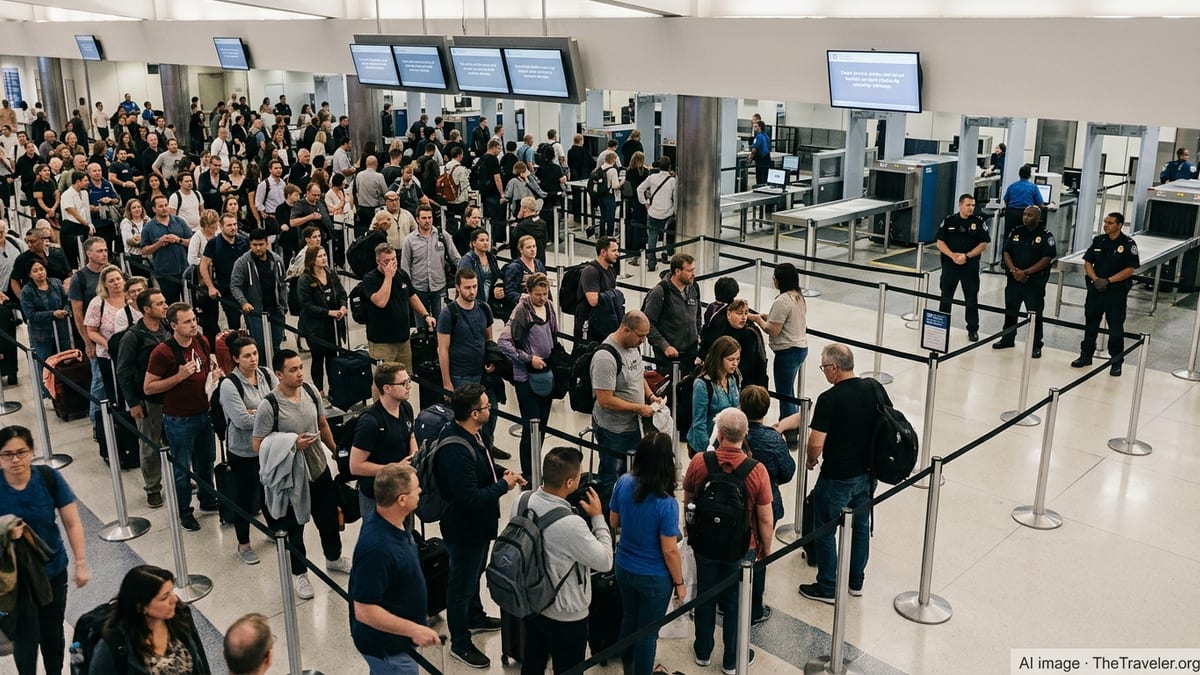
Operational Disruptions Concentrated at Peru’s Main Hub
Jorge Chávez International Airport, Peru’s primary air hub and a key transit point for South America, experienced a notable spike in irregular operations, with a combined 18 flights reported delayed or canceled over a short window. Publicly available tracking data and local media summaries indicate that the disruptions were concentrated on routes linking Lima with major domestic destinations such as Cusco, Arequipa and Trujillo, along with selected regional services.
The pattern of irregularities suggests that the impact was not limited to a single carrier. LATAM Peru, which operates an extensive domestic and international network from Lima, saw several flights pushed back from their scheduled departure times. Iberia’s long-haul operations between Lima and Europe, LATAM Paraguay’s link between Asunción and the Peruvian capital, and Star Peru’s domestic services were also affected, contributing to longer waiting times and missed connections for travelers.
Reports from airport monitoring platforms describe rolling delays that accumulated across the day, turning what initially appeared to be minor schedule changes into a more visible disruption for passengers trying to connect between Peru’s main tourist cities and onward international flights.
While the exact trigger for the cluster of delays and cancellations was not immediately clear, the episode highlighted how quickly operations at a busy hub can come under strain and how disruptions can cascade across domestic and regional networks.
Domestic Routes to Cusco, Arequipa and Trujillo Among the Worst Hit
The largest operational impact was felt on Peru’s high-demand domestic routes. Lima to Cusco and the return sector, a critical corridor for travelers accessing Machu Picchu and the Sacred Valley, recorded multiple delayed services. Travelers on these routes reportedly faced schedule changes that pushed departures into later time bands, complicating same-day connections and tour itineraries.
Flights between Lima and Arequipa, another major Peruvian city and gateway to the Colca Canyon, were similarly affected. Schedule snapshots from flight-tracking and booking platforms showed Lima–Arequipa and Arequipa–Lima services operating off timetable, with knock-on effects for passengers planning onward travel out of Jorge Chávez International Airport.
Trujillo, an important coastal city in northern Peru, also featured among the disrupted destinations. Delays on Lima–Trujillo services, including those operated by LATAM Peru and Star Peru, added to pressure on gate and runway slots as aircraft and crew were rotated back into the schedule.
The concentration of irregularities on these domestic routes is significant because they form the backbone of Peru’s internal connectivity. Any prolonged disturbance can ripple through tourism flows, business travel and local mobility, particularly during periods of peak seasonal demand.
Impact on LATAM Peru, Iberia, LATAM Paraguay and Star Peru
Across the 13 delays and 5 cancellations, four carriers emerged as the most visibly affected. LATAM Peru, as the dominant operator at Jorge Chávez International Airport, accounted for a substantial share of the postponed departures and late arrivals. Publicly available flight-status pages showed multiple LATAM Peru services departing behind schedule from Lima toward key domestic cities.
Iberia, which links Lima with its Madrid hub, was also caught in the disruption pattern. Delays on long-haul flights can have an outsized impact because they affect onward connections in both directions, potentially leading to missed transfers in Europe and extended rebooking efforts for passengers originating in or transiting through Peru.
LATAM Paraguay’s connection between Asunción and Lima was part of the affected schedule, illustrating how disturbances at Jorge Chávez can extend beyond national borders. Even a single delayed or canceled regional flight can significantly impact travelers relying on Lima as a transfer point between South America and long-haul intercontinental services.
Star Peru, a smaller carrier with a focus on domestic operations, featured in the list of disrupted flights as well. For an airline with a leaner fleet and tighter rotations, a handful of irregular operations can quickly challenge aircraft availability and crew scheduling, resulting in further adjustments later in the day.
Passenger Experience: Missed Connections and Rebookings
For passengers, the operational statistics translated into longer waiting times, missed connections and the need to rearrange travel plans at short notice. Travelers with tight layovers in Lima for onward international flights faced particular uncertainty as delay estimates shifted and gate information changed.
According to information compiled from airline advisories and airport monitoring platforms, some passengers were rebooked on later Same-day departures where capacity allowed, while others were moved to flights on subsequent days due to limited seat availability. Instances of cancellations required more extensive itinerary changes, including rerouting via alternative hubs in the region.
Travelers already en route to tourist destinations such as Cusco and Arequipa encountered the added complication of tour and hotel reservations tied to specific arrival times. Even delays of a few hours can cause travelers to forfeit prepaid excursions or require last-minute adjustments with local providers, often at additional cost.
The episode underscored the importance for passengers flying through Lima to monitor flight status regularly, allow longer connection times where possible and maintain flexible arrangements for ground services at their final destination.
Ongoing Infrastructure Transition and Operational Sensitivities
The disruption unfolded against the backdrop of ongoing changes at Jorge Chávez International Airport, which has been undergoing a significant expansion and terminal transition. Publicly available information on the airport’s development highlights a multiyear effort to increase capacity and modernize facilities in response to growing passenger numbers.
Industry commentary on the transition period has pointed to a heightened sensitivity to irregular operations while airlines and airport stakeholders adjust to new layouts, procedures and traffic flows. Even when there is no single, clearly identified cause behind a specific cluster of delays, a complex infrastructure environment can make recovery more challenging once schedules begin to slip.
Travel analysts note that concentrated delays and a handful of cancellations, such as those recorded in this latest episode, may continue to occur periodically as the airport and airlines fine-tune operations at Peru’s main international gateway. Monitoring data from Lima will likely remain under close watch from both industry observers and travelers, given the airport’s critical role in linking domestic destinations like Cusco, Arequipa and Trujillo with regional and long-haul networks.
For now, the cluster of 13 delays and 5 cancellations serves as a reminder of the fragility of tightly planned airline schedules and the importance of contingency planning for both carriers and passengers moving through one of South America’s busiest hubs.