

More news on this day
The United States continues to classify Turkey as a generally safe destination for American travelers under a Level 2 “Exercise Increased Caution” advisory, while highlighting the risk of arbitrary detention that can, in some cases, be tied to social media posts and perceived criticism of authorities.
Get the latest news straight to your inbox!
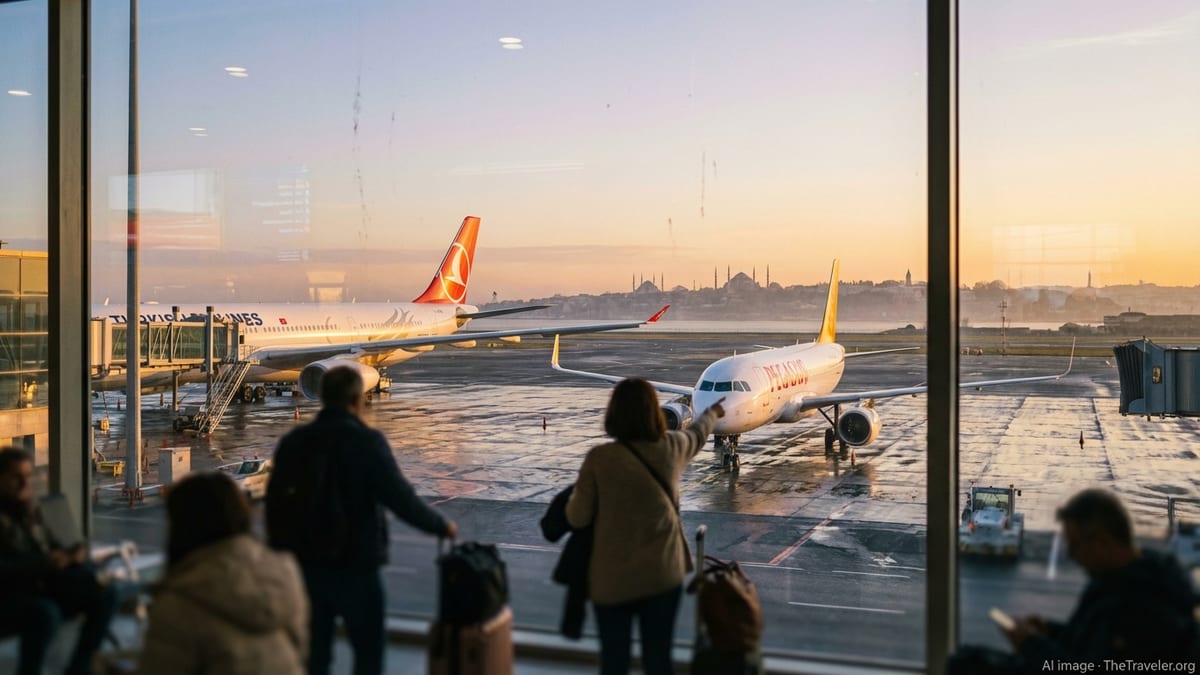
Advisory Keeps Turkey in “Generally Safe” Category
Recent updates to publicly available travel guidance show that Turkey remains at Level 2 on the U.S. Department of State’s four-tier advisory scale, a category that indicates a country is broadly considered safe for tourism but requires heightened awareness of specific risks. Analysts note that this places Turkey in the same overall risk band as several other popular destinations that attract large numbers of U.S. and European visitors each year.
Independent travel risk assessments and destination overviews describe Turkey as generally safe for visitors who follow local laws and take standard precautions, particularly in major tourism hubs such as Istanbul, Cappadocia, Antalya, Bodrum, and the Turquoise Coast. These sources point out that most trips are trouble-free and that crime affecting tourists tends to involve nonviolent incidents such as pickpocketing, card fraud, and taxi overcharging in busy urban areas.
At the same time, advisory language underlines that Turkey shares a land border with conflict-affected Syria and sits in a complex regional security environment. As a result, U.S. guidance typically advises against travel to certain southeastern provinces, especially areas close to the Syrian frontier, and encourages travelers to monitor local developments and avoid demonstrations or large political gatherings.
Arbitrary Detention Concerns Linked to Expression and Online Activity
The most distinctive feature of Turkey’s advisory in recent years has been its emphasis on possible arbitrary detentions, especially for individuals perceived to be connected to political opposition, civil society activity, or criticism of authorities. Publicly available information highlights that this risk can extend beyond traditional activism to personal communications, digital records, and social media use.
According to open-source safety guides synthesizing multiple national advisories, concerns center on a 2018 legal framework that broadened the powers of security services to detain individuals for investigation without formal charges for extended periods. Commentators note that this framework has been used in cases involving alleged links to terrorist organizations or participation in protests, but it has also appeared in reports about social media posts, online commentary, or content that authorities regard as insulting state institutions.
Travel risk briefings caution that foreigners, including tourists and expatriates, are not entirely insulated from these practices. While the number of incidents involving short-term visitors appears limited compared with the size of Turkey’s tourism sector, advisory summaries warn that individuals have faced questioning or detention over online activity, including posts made outside Turkey that were later visible to authorities once the traveler entered the country.
Because of these dynamics, destination reports frequently recommend that visitors review their public social media profiles, avoid sharing or amplifying material that could be seen as hostile to the government or sensitive institutions, and refrain from engaging in political debates, protests, or online campaigns while in Turkey.
What the Advisory Means for Everyday Travelers
For most tourists planning coastal vacations, city breaks in Istanbul, or cultural tours of Cappadocia and the Aegean interior, the Level 2 advisory still translates into a largely routine travel experience. Visitor numbers in 2025 and early 2026 point to a strong rebound in Turkey’s tourism industry, and many international observers describe the main resort areas and historic districts as functioning normally, with a well-established hospitality infrastructure geared toward foreign guests.
Travel safety assessments describe public transport in major cities as generally safe during normal hours, although crowded conditions can create opportunities for petty theft. Licensed taxis, app-based car services in large metropolitan areas, and organized transfers arranged through hotels or tour operators are often recommended as lower-risk options, particularly for late-night travel.
Analysts also highlight that some of the most common hazards for tourists in Turkey are unrelated to politics or security. Road safety issues on intercity highways, uneven pavements in historic districts, seasonal wildfire risks in forested coastal regions, and strong sun exposure in summer regularly feature in independent risk breakdowns. These are typically characterized as manageable through standard precautions, such as using reputable transport providers, checking local conditions, and keeping travel insurance up to date.
Within this context, the advisory’s focus on arbitrary detention is framed not as a prediction that ordinary tourists are likely to be arrested, but as a reminder that legal processes may differ from those in the United States and that protections taken for granted at home may not apply in the same way.
Practical Steps for Minimizing Legal and Digital Risks
Security briefings aimed at travelers to Turkey commonly stress the importance of understanding how local laws intersect with daily behavior and digital habits. Publicly available information indicates that offenses such as insulting the president, defaming state institutions, or sharing content perceived as supporting banned groups can fall under broad legal categories with serious potential penalties.
As a result, many travel risk specialists advise visitors to avoid posting or reposting political content about Turkey before or during their trip, to refrain from photographing sensitive sites such as military facilities or security checkpoints, and to be cautious when commenting on local politics in public spaces. It is also suggested that travelers ensure their mobile devices, messaging apps, and social media accounts are protected with strong privacy settings, given reports that phones and laptops can be inspected in certain circumstances.
Guidance documents further recommend carrying copies of passport details and visa documentation, knowing the contact information for one’s embassy or consulate, and keeping family or friends informed of basic itineraries. Enrolling in government traveler enrollment programs, where available, can also help visitors receive security updates and facilitate contact in case of an emergency.
While these steps may sound detailed, travel safety analysts typically present them as part of standard risk management for any destination where political sensitivities and broad security laws coexist with a large, generally safe tourism landscape.
Balancing Popular Demand With Evolving Risk Factors
Despite the advisory’s cautions, Turkey remains one of the most visited countries in the world, drawing travelers for its historical sites, culinary scene, coastal resorts, and relative affordability compared with some Western European destinations. Industry reporting suggests that airlines, cruise lines, and tour operators continue to schedule extensive services to key Turkish gateways, although they monitor developments in the southeast and along the Syrian border.
Travel analysts describe a situation in which the risk profile is uneven across the country. Coastal resort areas and central tourism corridors are routinely assessed as more predictable and visitor-friendly, while provinces with a history of security incidents or ongoing operations against armed groups carry higher underlying risk. Publicly available advisories reflect this by distinguishing between regions where normal tourism remains common and those where travel is discouraged or restricted.
For U.S. travelers weighing a trip, the continued Level 2 rating signals that Turkey is not being classified alongside higher-risk destinations, but neither is it in the lowest-risk category. Reports emphasize that individuals who prioritize cultural exploration, avoid political involvement, stay informed about local conditions, and practice digital caution are most likely to experience Turkey as it functions for millions of visitors every year: as a generally safe and welcoming destination with specific legal and security caveats that warrant attention.