


More news on this day
Lufthansa is facing mounting criticism in Germany after introducing a new Economy Basic fare on European routes that strips out standard cabin baggage, intensifying debate over whether the airline is sacrificing customer loyalty in pursuit of revenue growth.
Get the latest news straight to your inbox!
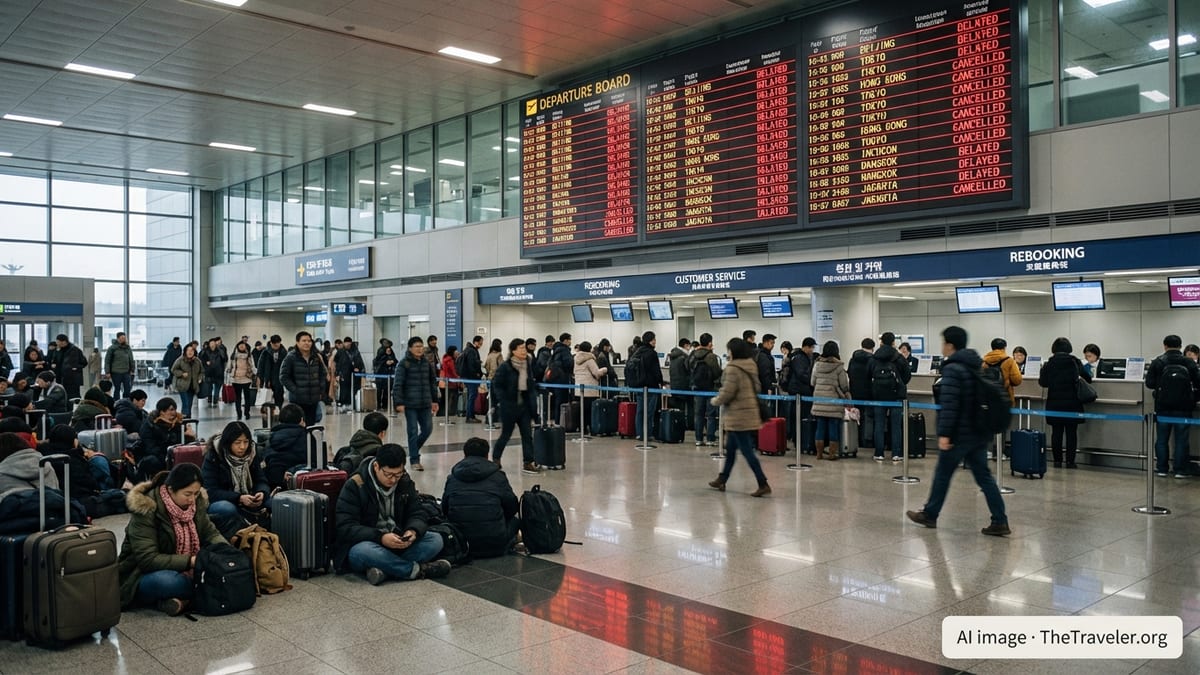
Economy Basic Redefines the Cheapest Ticket
The Lufthansa Group has begun rolling out a new Economy Basic fare across short and medium haul routes in Europe, positioning it as the lowest entry point into its economy cabin. Publicly available information indicates that tickets issued from late April now offer four economy fare levels within Europe, with Economy Basic at the bottom of the ladder.
Unlike the long familiar Economy Light, the new fare typically includes only a small personal item that must fit under the seat, such as a laptop bag or compact backpack. A wheeled carry on suitcase for the overhead bin becomes a paid extra, with reports of starting fees from around 15 euros per flight segment for cabin baggage on many routes.
The change places Lufthansa alongside low cost rivals that unbundle almost every component of the journey. Travel industry coverage notes that the group’s airlines, including Lufthansa, Swiss, Austrian Airlines, Brussels Airlines, Discover Airlines and others, are aligning their European fare structures around this stripped down baseline product.
For travelers accustomed to at least one cabin bag being included in the ticket price, the shift represents a clear break with what many in Germany regarded as a core part of the full service experience.
German Travelers React With Frustration
The reaction in Germany has been swift and largely negative, particularly across social media platforms and frequent flyer communities. Many travelers argue that the new fare blurs the line between Lufthansa and budget competitors, questioning what remains of the traditional full service promise when even the standard cabin bag is no longer part of a basic ticket.
Comments from German consumer advocates and travel commentators highlight fears that passengers may not fully understand the new restrictions when booking. Critics warn that travelers comparing fares across airlines could be caught out by extra baggage fees at the airport, particularly those used to past Lufthansa policies allowing a small suitcase in the cabin at no charge on European flights.
Online discussion among Germany based passengers increasingly frames the change as part of a broader pattern of perceived deterioration in value. Complaints about rising ancillary charges, more restrictive conditions for changes and cancellations, and ongoing operational issues are being bundled together with the Economy Basic rollout in a wider narrative that the airline is becoming more aggressive in its pricing policies.
Frequent flyers with elite status, who in many cases retain the right to bring a standard cabin bag even on Economy Basic tickets, express concern that the new fare may still affect their overall travel experience if it leads to overcrowded cabins, more disputes at boarding, and longer queues at the gate.
Customer Loyalty in the Spotlight
The introduction of Economy Basic comes at a time when Lufthansa’s own annual reports emphasize the strategic importance of strengthening customer loyalty as competition intensifies on European routes. The group has repeatedly highlighted its Miles and More program and premium positioning as key tools to retain high yielding travelers.
Analysts following the airline industry note that ultra stripped basic fares can be a double edged sword. On one side, they allow airlines to advertise lower starting prices and segment the market more finely, pushing price sensitive travelers toward ancillary purchases and encouraging others to trade up to higher fares. On the other, they risk alienating loyal customers who feel that the core product is being hollowed out.
Published commentary on the new fare suggests that some German corporate clients and frequent leisure travelers may reassess their booking patterns, especially if they perceive that more inclusive competitors offer better overall value once all extras are considered. This is particularly relevant on dense intra European routes where alternative carriers are readily available.
Industry observers also point out that the move coincides with other controversial changes, such as stricter conditions for flexible tickets and a new wave of capacity adjustments. Combined, these developments raise questions about whether short term revenue gains may come at the expense of long term brand loyalty, especially in the highly competitive German home market.
Lufthansa Aligns With a Wider Industry Trend
Lufthansa’s Economy Basic fare does not exist in isolation. Across Europe and beyond, full service airlines have been adopting elements of the low cost model for years, including paid seat selection, reduced catering, and charges for checked baggage. Recent fare innovations at other network carriers, including new basic options with limited or no mileage accrual and tight hand baggage rules, show that the pressure to unbundle is industry wide.
Basic economy products are widely understood in aviation analysis as tools for price differentiation, designed less as attractive standalone options and more as anchors that make higher fares appear comparatively more appealing. By introducing a very restricted entry level ticket, airlines can maintain or raise the price of standard economy while still advertising a lower starting figure.
According to coverage from aviation focused outlets, Lufthansa’s new structure follows this logic. Economy Basic sits below an updated Economy Light and more flexible economy options, each adding incremental benefits such as overhead cabin baggage, rebooking possibilities, seat selection and additional mileage earning. The resulting matrix mirrors strategies already in place at North American and European rivals that have embraced basic economy as a revenue management tool.
However, the fact that such tactics are now common in the industry does little to calm critics in Germany who argue that passengers are being trained to expect less for more money. The perception that Lufthansa is following rather than leading in customer centric innovation could complicate its efforts to differentiate itself in a crowded marketplace.
Balancing Revenue Growth With Brand Expectations
For Lufthansa, the core challenge now lies in balancing the financial benefits of Economy Basic with the risk of eroding the brand trust built over decades as Germany’s flagship carrier. The group has recently stressed investments in new cabins, digital services and operational resilience, seeking to position itself as both modern and premium.
Yet the backlash over the new fare suggests that many German travelers judge the airline first and foremost on what is included in a standard ticket. Visible reductions, such as removing the free cabin suitcase from the cheapest fare, are more immediately felt than backend investments in fleet renewal or technology.
Future booking data will indicate whether the controversy has a lasting impact on customer behavior within Germany and across Europe. For now, the strong public reaction underscores how sensitive passengers are to perceived downgrades in service, particularly when introduced by a national carrier that long stood apart from low cost competitors.
As summer travel demand builds, Lufthansa’s new Economy Basic fare will be tested on some of its busiest routes. The coming months are likely to show whether travelers adapt to the new rules, trade up to higher fares, or choose rival airlines that promise a more traditional interpretation of what a basic ticket should include.