


More news on this day
Heavy rain, hail and gale-force winds over Delhi on May 13 and early May 14 have severely disrupted operations at Indira Gandhi International Airport, triggering flight diversions, hundreds of delays and mounting frustration for air travelers across India’s busiest aviation hub.
Get the latest news straight to your inbox!
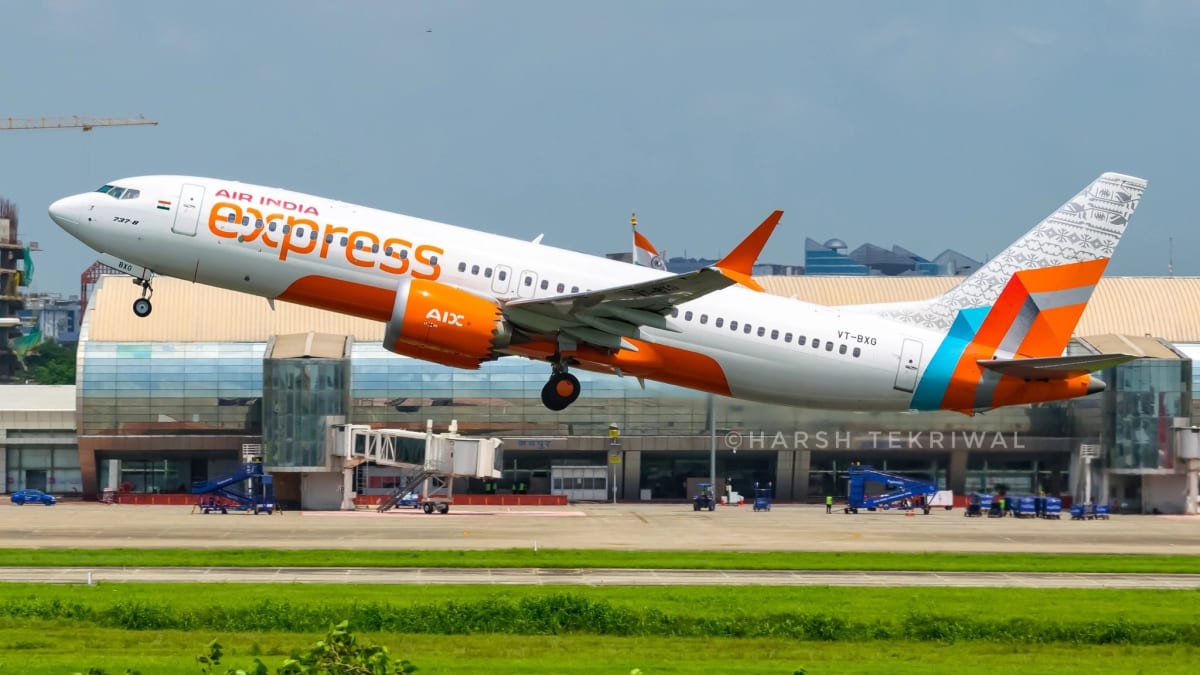
Storm Slams Delhi as Aviation Hub Staggers
Published coverage from local outlets describes a fast-moving storm system that brought thunderstorms, hail and wind gusts near 100 kilometers per hour to the National Capital Region on Wednesday evening, turning already busy evening peaks at Delhi’s main airport into a prolonged period of disruption. The severe weather coincided with high summer travel demand, compounding the impact across domestic and international networks.
Reports indicate that at the height of the storm, visibility and crosswinds around Indira Gandhi International Airport deteriorated enough to force multiple aircraft to abandon landing attempts, hold in stacks or divert to alternative airports. Images and videos shared on social media showed sheets of rain over the terminals and apron areas, with aircraft waiting on taxiways and departure queues barely moving.
The disruption continued into the early hours of May 14 as aircraft, crews and ground-handling operations struggled to reset after the sudden weather shock. Publicly available data and media tallies point to a knock-on effect on early-morning departures, with some flights pushed back by several hours and aircraft rotations across the domestic network thrown off schedule.
Over 500 Flights Delayed and Multiple Diversions Reported
According to recent coverage from Delhi-based media, more than 500 flights at Indira Gandhi International Airport were delayed after the storm, alongside at least 15 flight diversions to other airports in northern and western India. Several additional aircraft were reported to have carried out go-arounds, where pilots discontinue a landing approach and climb away for another attempt, a common procedure in poor weather conditions.
These figures position the event among the more severe weather-related disruptions at Delhi in recent seasons, comparable in scale to dense winter fog episodes that have previously slowed operations. In this case, however, the disruption arrived in the pre-monsoon heat, when passengers are less accustomed to such sudden shutdowns and schedule shocks.
Travelers transiting through Delhi on domestic connections to cities such as Bengaluru, Mumbai, Kolkata and regional centers experienced significant ripple effects. Reports from flight tracking platforms showed extended holding patterns, diversions to airports like Jaipur, Lucknow and Ahmedabad, and turnarounds that required aircraft to reposition back to Delhi once conditions stabilized.
Airlines have been adjusting schedules and reassigning aircraft through the day of May 14 in an attempt to clear backlogs. Publicly available statements point to efforts to prioritize long-haul departures and high-demand domestic sectors, while some lower-frequency services may face retimings as operational teams work through the disruption.
What Travelers Are Experiencing on the Ground
For passengers, the storm translated into long queues at check-in counters, crowded departure halls and busy rebooking desks. Social media posts from travelers at Delhi airport overnight described long stretches with little movement on departure boards, with many flights showing rolling delay estimates as airlines waited for updated weather and slot information.
Published coverage indicates that several diverted flights spent extended periods on the ground at alternative airports while awaiting clearance to return to Delhi or instructions for onward handling. In some cases, travelers remained on board aircraft during these waits, while in others they were taken into transit areas and provided with basic refreshments as airline staff worked to secure new departure windows.
At the same time, arrivals into Delhi were affected by gate and stand shortages as aircraft arrived out of sequence once the weather improved. This created bottlenecks in baggage handling and ground transport, with some passengers reporting prolonged waits for luggage and congestion at taxi and app-based cab pickup points outside the terminals.
The disruption has also affected business travelers and those with onward international connections, including passengers heading to long-haul flights to Europe, North America and East Asia. Missed connections are being handled according to each carrier’s policy, and travelers are being shifted onto later departures where seats are available.
How Airlines and Airport Operators Are Responding
In the immediate aftermath of the storm, airlines serving Delhi issued public travel advisories urging customers to monitor their flight status closely and allow extra time to reach the airport. Low-cost and full-service carriers alike have highlighted that weather disruptions fall outside their direct control but have introduced limited flexibility on change fees and fare differences on select routes to accommodate affected passengers.
Publicly available information from recent advisories in similar weather events suggests that some airlines may offer one-time free date changes for passengers booked to travel during the hours most affected by the storm, subject to seat availability. Others may allow rerouting through alternative hubs within their network, particularly for international itineraries with missed onward connections.
Airport operator updates describe the activation of standard bad-weather procedures, including close coordination with air traffic control, ramp safety checks to assess wind and lightning risk, and temporary pauses in refueling and baggage loading operations while conditions were most severe. Once winds eased and lightning moved away from the airfield, ground operations resumed in stages, contributing to the gradual restoration of departures and arrivals through the morning of May 14.
Observers of India’s aviation sector note that the latest episode follows a series of weather-related disruptions at Delhi, including dense fog events over the past winter and heavy rainfall episodes in recent months. The succession of incidents is prompting renewed debate over schedule resilience, buffer times and infrastructure designed to handle sudden weather changes at the country’s main hub.
Key Advice for Air Travelers Heading to or Through Delhi
For travelers with flights to, from or via Delhi in the coming 24 to 48 hours, published guidance from airlines and aviation advisories converges on several practical steps to reduce stress and uncertainty. First, passengers are strongly encouraged to check their flight status directly with their airline’s app or customer service channels before leaving for the airport, as departure times may continue to shift while airlines work through backlogs.
Second, travelers with tight connections through Delhi may wish to build in additional buffer time or, where possible, opt for earlier feeder flights to safeguard onward international departures. Separate-ticket itineraries are particularly vulnerable to missed connections during disruption, so passengers in this situation may want to consider flexible or refundable options for at least one leg of their journey.
Third, it can be helpful to familiarize oneself with each carrier’s disruption and rebooking policy, especially regarding weather events. Many airlines outline specific rules on meal vouchers, accommodation, free date changes and refund eligibility during irregular operations. Having this information in advance can speed up decision-making at the airport if a flight is significantly delayed or diverted.
Finally, passengers already in Delhi should anticipate longer processing times at security and check-in as crowds build, even after the worst of the weather has passed. Allowing extra time, carrying essential medications and valuables in cabin baggage, and keeping electronic boarding passes and identification readily accessible can all make navigating a prolonged disruption at one of the world’s busiest airports a little easier.