


More news on this day
Kenya Airways has resumed daily flights between Nairobi and Dubai from May 14, 2026, restoring a key aviation corridor for East African leisure travelers, tourists and business passengers heading to the Gulf hub.
Get the latest news straight to your inbox!
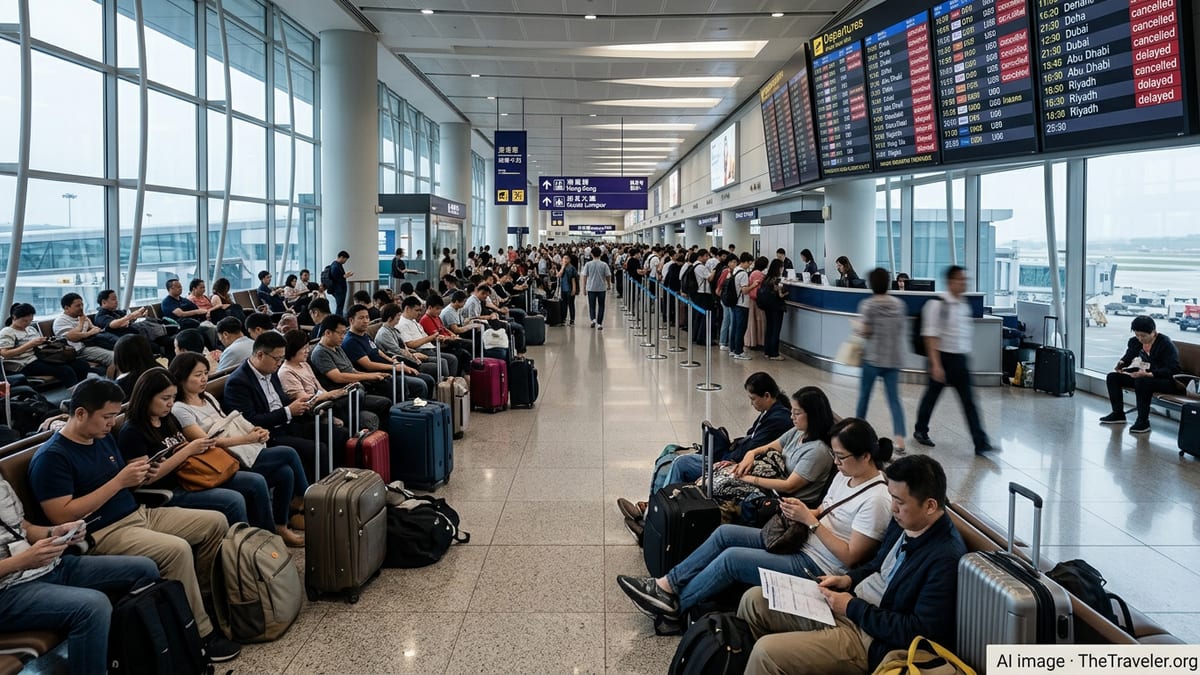
Route Returns After Middle East Conflict Disruptions
Publicly available information shows that the Nairobi–Dubai service was suspended in late February 2026 as airspace restrictions and regional tensions in the Middle East created safety and routing challenges for airlines serving the Gulf. The pause disrupted one of Kenya Airways’ busiest international routes and forced passengers to rely on connections through third countries or alternative carriers.
Reports indicate that the carrier has now reinstated the route with daily services, marking the full reopening of a link that plays an important role for both passenger and cargo movements between Kenya and the United Arab Emirates. The decision follows a gradual stabilization of conditions in the wider region and a partial normalization of air traffic into Dubai.
Kenyan media coverage notes that the shutdown lasted more than two months, during which time Kenya Airways operated limited repatriation and irregular flights to accommodate stranded travelers. The return to a daily schedule signals a shift from temporary contingency operations back to structured commercial service, which is expected to bring greater predictability for the market.
Industry analysts observing the airline’s network strategy point to Dubai’s role as a high-yield route that feeds long-haul connections across Asia, the Middle East and Europe. Restoring frequency on this sector is viewed as central to Kenya Airways’ efforts to stabilize revenues while the carrier continues its broader restructuring program.
Daily Schedule Designed for Connectivity and Convenience
According to published schedule data and booking platforms, Kenya Airways is operating one daily round-trip between Nairobi’s Jomo Kenyatta International Airport and Dubai International Airport, with departure and arrival times designed to support onward connections on both ends. The overnight timing from Nairobi allows travelers to arrive in Dubai early in the morning, aligning with banks of connecting flights to key leisure destinations in Asia and the Indian Ocean.
The return leg is similarly timed to capture inbound connectivity from Europe, Asia and the wider Gulf region into Dubai before continuing to Nairobi. This pattern is consistent with the carrier’s pre-suspension schedule and reflects a strategy aimed at maximizing both point-to-point traffic and transfer passengers using Nairobi as a gateway for East and Central Africa.
Kenya Airways has indicated through publicly available updates that it will maintain the daily pattern while monitoring demand, with the possibility of adding extra frequencies should booking trends justify more capacity. Aviation data providers show that the Nairobi–Dubai corridor is also served by other Gulf-based carriers, creating a competitive market in which schedule convenience and reliability are important differentiators.
Travel platforms tracking fares and availability already list multiple months of daily Kenya Airways operations on the route, suggesting the airline is planning for sustained service rather than a short-lived reinstatement. For frequent travelers, the restoration of a predictable daily option simplifies itinerary planning and reduces the need for circuitous routings through alternative hubs.
Boost for Tourism, Shopping Trips and VFR Travel
The Nairobi–Dubai route has long been popular with leisure travelers from Kenya and the wider East African region, many of whom visit Dubai for short breaks, shopping trips and family visits. Tourism boards and travel agents describe the UAE city as one of the most sought-after international destinations for Kenyan holidaymakers, particularly during school breaks and festive seasons.
With daily Kenya Airways flights back in operation, tour operators expect renewed interest in package deals combining flights with hotel stays, theme park visits and retail experiences. The improved connectivity is likely to support regional tourism flows in both directions, with Dubai residents and expatriates also using Nairobi as a gateway to Kenya’s wildlife reserves, coastal resorts and conference venues.
Travel industry reports highlight that visiting-friends-and-relatives traffic between Kenya and the Gulf has grown steadily over the past decade, driven by a sizable Kenyan workforce in the United Arab Emirates and neighboring states. The resumption of daily services provides an additional option for this segment, which often values direct, overnight flights that minimize time away from work.
Industry observers add that the restored Nairobi–Dubai link complements Kenya’s broader tourism recovery, which has been supported by increased frequencies to other key markets and promotional campaigns targeting high-spending visitors. Easier access from Dubai, a major global hub, effectively enlarges the pool of potential tourists who can reach Kenya with only one stop.
Cargo and Trade Links Regain Momentum
Beyond passenger travel, the Nairobi–Dubai route is a significant conduit for cargo, including horticultural exports, manufactured goods and high-value imports bound for East Africa. Freight sector commentary notes that the temporary suspension forced some shippers to reroute goods through alternative hubs, sometimes at higher cost and with longer transit times.
With Kenya Airways reinstating daily belly cargo capacity on passenger flights, exporters of flowers, fresh produce and perishables are expected to benefit from more reliable access to Dubai’s logistics network. The city functions as a redistribution point for shipments headed to the Gulf Cooperation Council states, wider Middle East and parts of Asia, making frequent service from Nairobi strategically important.
Trade analysts point out that daily frequencies provide flexibility for time-sensitive shipments and help stabilize supply chains that had been under pressure during the hiatus. For small and medium-sized enterprises relying on consistent air freight options, the return of the Kenya Airways service may lower logistical risks and support more predictable delivery schedules.
Publicly available airline fleet information indicates that Kenya Airways operates narrowbody aircraft and, at times, widebody jets on high-demand routes such as Dubai, balancing passenger loads with cargo requirements. As regional trade volumes grow, the combination of daily passenger flights and potential dedicated freighter services into Gulf markets is seen as an important pillar of Kenya’s export strategy.
Regional Aviation Competition and Network Strategy
The restoration of daily Nairobi–Dubai flights also takes place within a highly competitive regional aviation landscape. Gulf carriers, including those based in Dubai, operate multiple daily services to Nairobi, while other African and Middle Eastern airlines offer one-stop itineraries that connect East Africa to global markets through rival hubs.
Analysts following the sector observe that Kenya Airways’ decision to prioritize the resumption of Dubai operations reflects the route’s importance as both a revenue generator and a strategic link within its broader network. Maintaining a presence on such a high-profile corridor helps the airline remain visible in a market where schedule cuts and disruptions have, in recent years, shifted passenger loyalty toward competitors.
Air travel data and recent press coverage suggest that Kenya Airways is simultaneously investing in other long-haul and regional connections, including enhancements to services in Europe, Asia and Southern Africa. The carrier’s approach appears to focus on sustaining key trunk routes such as New York, London and Dubai while fine-tuning secondary destinations based on demand and aircraft availability.
For travelers, the combination of Kenya Airways and competing airlines on the Nairobi–Dubai route increases the range of choices in terms of departure times, cabin products and fare levels. Industry commentators expect this competitive dynamic to keep prices relatively attractive, particularly outside peak holiday periods, while encouraging airlines to maintain service standards in a market that has become central to East Africa’s global connectivity.