


More news on this day
A Delta Air Lines Airbus A321neo operating as Flight DAL2775 from New York to Orlando diverted mid-route following a technical alert in flight, triggering hours of disruption for hundreds of travelers and drawing fresh scrutiny to the reliability of one of the carrier’s newest narrowbody workhorses.
Get the latest news straight to your inbox!
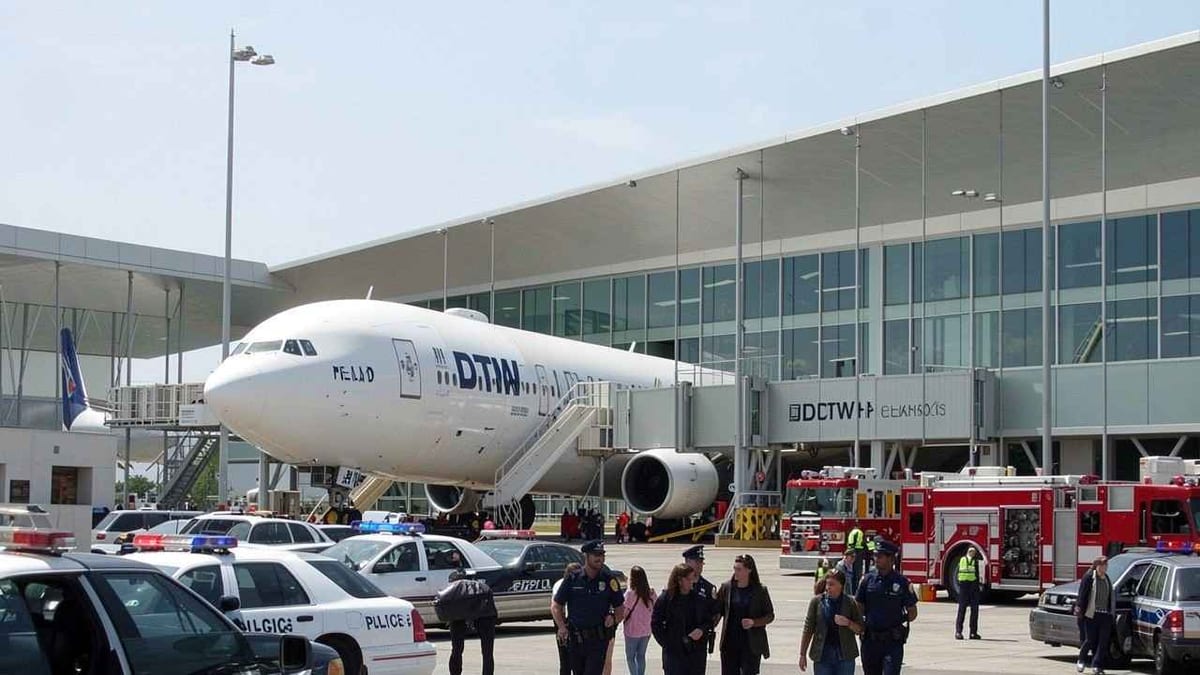
Mid-Air Alert Forces Diversion on Busy Leisure Route
Publicly available flight-tracking data shows that Flight DAL2775 departed John F. Kennedy International Airport on schedule for Orlando International Airport before leveling off and then turning away from its planned route after a technical warning in the cockpit. Instead of continuing south toward central Florida, the Airbus A321neo diverted to an alternate airport, where it landed without reported injuries.
Reports from passenger accounts and aviation enthusiast forums indicate that the alert was related to an onboard systems issue rather than weather or passenger behavior. The crew is understood to have followed established diversion procedures, including halting the climb, assessing the alert, and coordinating with air traffic controllers to secure a priority landing at a suitable airport.
Once on the ground, the aircraft was met by emergency services as a precaution, consistent with standard protocol when an in-flight technical alert is involved. Passengers were eventually deplaned and transported to the terminal, where they faced cascading delays and rebooking challenges on what is already one of the country’s most congested leisure corridors.
The incident unfolded against a backdrop of heavy summer-season traffic into Orlando, a gateway to major theme parks and cruise departures. Even a single diverted aircraft on this route can quickly strain gate availability, staffing and downstream schedules, amplifying the impact beyond the travelers on the affected flight.
Spotlight on the Airbus A321neo Fleet
The Airbus A321neo has become central to Delta’s domestic strategy in recent years, thanks to its fuel efficiency, quieter engines and upgraded passenger cabin. The airline has ordered scores of the type to replace older narrowbody jets and to support growth on high-demand routes where slot and gate constraints make larger single-aisle aircraft particularly valuable.
Industry coverage in recent months has highlighted isolated technical issues affecting A321neo operations, including software-related advisories across the broader A320neo family and heightened attention from regulators to flight-control and avionics reliability. While there is no indication that the DAL2775 diversion is directly linked to those cases, the episode is likely to feed ongoing discussion among passengers and analysts about the resilience of new-generation aircraft as airlines push them into intensive daily use.
Aviation safety specialists generally emphasize that technical alerts such as the one reported on DAL2775 demonstrate the designed-in safety margins of modern aircraft. Systems are configured to flag anomalies well before they escalate, prompting crews to divert out of caution rather than necessity. Diversions can be unsettling for travelers, but are intended to reduce risk by getting an aircraft onto the ground where maintenance teams can inspect and troubleshoot the problem.
Delta’s A321neo fleet is typically subject to strict maintenance and software-update schedules, with airlines required to implement manufacturer and regulator directives within specified timeframes. Any confirmed defect linked to the DAL2775 alert would be expected to feed into that broader maintenance program, either as a local repair or as part of a wider fleet check if patterns emerge.
Passenger Disruption and Rebooking Challenges
The diversion of a fully booked narrowbody aircraft into an unscheduled airport can ripple through the airline’s network for hours, and DAL2775 was no exception. Travelers posting on social platforms and consumer forums described extended waits in terminal areas while airline staff attempted to secure hotel rooms, meal vouchers and replacement itineraries to central Florida.
Public guidance from consumer-rights advocates notes that passenger entitlements after a diversion depend heavily on the cause. When an interruption stems from technical issues within an airline’s control rather than weather or air-traffic restrictions, carriers may provide accommodation, meal support and rebooking at no additional cost. Recent summaries of diversion cases show that travelers increasingly seek formal compensation for long delays or missed connections linked to mechanical problems.
For DAL2775 passengers, the timing of the event compounded the disruption. Diversions late in the day often collide with already tight seat availability on alternative flights, particularly into high-demand leisure hubs like Orlando. Families bound for prepaid vacations, cruise departures or theme-park reservations can face costly knock-on effects when they arrive a day or more behind schedule.
Commentary on traveler forums following the incident reflects growing frustration with irregular operations across the industry. While diversions for technical alerts remain relatively rare compared with the total number of daily flights, they intersect with broader concerns about full aircraft, limited spare capacity and the difficulty of obtaining timely rebooking assistance during peak travel periods.
How Diversions Like DAL2775 Are Managed
Operationally, an in-flight diversion such as that experienced by DAL2775 is governed by detailed playbooks that airlines and crews rehearse regularly. Once a cockpit alert appears, pilots assess the severity, consult checklists and coordinate with dispatch and air traffic control to identify the nearest suitable airport that meets runway-length, weather and emergency-service criteria.
Industry analyses of recent diversion events involving large U.S. carriers describe a consistent pattern: once the aircraft is on the ground, maintenance teams begin diagnostic checks while customer-service staff handle passenger logistics. If the issue is minor and quickly resolved, the same aircraft may continue its journey. If not, travelers are rebooked onto later flights or, in some cases, bussed to their original destination.
Experts note that the economics of diversions are unfavorable for airlines, which must absorb fuel costs, airport fees, crew scheduling complications and customer-care expenses. As a result, carriers have a strong incentive to prevent technical issues before departure through rigorous preventive maintenance and real-time monitoring of aircraft health data streamed from the fleet.
In the case of DAL2775, public information suggests that the decision to divert was taken relatively early into the flight, reducing fuel burn and allowing time for ground teams to prepare for the unscheduled arrival. Even so, the disruption underscores how quickly a single technical message in the cockpit can cascade into a complex operational and customer-service challenge.
Traveler Takeaways After the DAL2775 Disruption
For passengers planning trips on Delta’s A321neo services, the DAL2775 diversion offers several practical lessons. Travel advisors often recommend padding important itineraries by avoiding tight same-day connections to cruises, tours or events, especially when flying into busy hubs like Orlando where afternoon thunderstorms and congested airspace can compound any technical delay.
Consumer advocates also encourage travelers to familiarize themselves with airline policies on diversions, delays and hotel accommodations. Keeping essential items such as medications, a change of clothes and key documents in carry-on bags can soften the impact of an unexpected overnight stay at an intermediate airport, while enrollment in airline apps and text alerts can speed up rebooking when a flight is interrupted.
Despite the disruption, safety specialists stress that events like DAL2775 are a sign of systems functioning as intended, with conservative decision-making by crews and dispatchers. As airlines continue to integrate advanced aircraft such as the Airbus A321neo into their fleets, occasional technical alerts and precautionary diversions are expected to remain part of the safety landscape, even as reliability data improves over time.
With investigations into the exact cause of the DAL2775 alert still ongoing, attention is likely to focus on whether the event reveals any broader patterns for the A321neo fleet or simply represents an isolated technical anomaly. In either case, the experience of the passengers en route to Orlando illustrates the very real human and logistical consequences that follow when a cockpit screen lights up and an otherwise routine flight abruptly changes course.