

More news on this day
Delta Air Lines passengers are heading into the 2026 summer travel season with fresh memories of last year’s widespread disruptions, and many are changing when and how they book tickets in an effort to sidestep delays.
Get the latest news straight to your inbox!
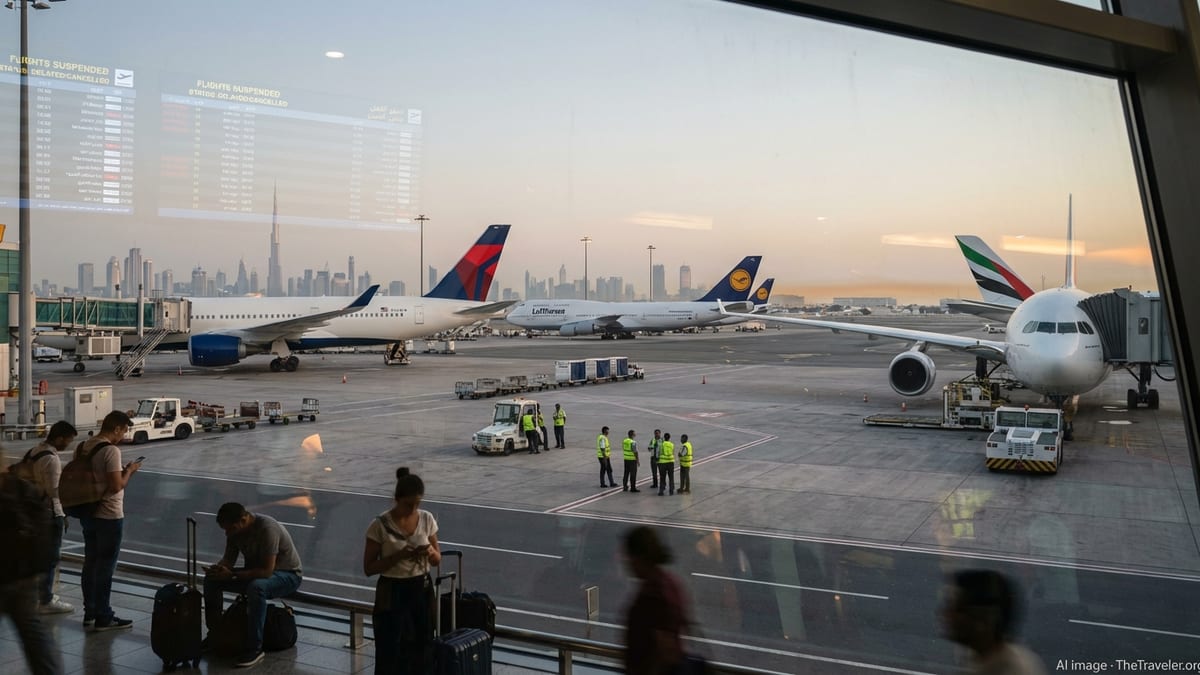
Summer travel demand stays strong as reliability fears linger
Publicly available financial filings and earnings commentary indicate that demand for Delta’s peak summer schedule remains robust, helped by resilient leisure travelers and steady premium bookings. At the same time, the airline is operating one of its largest international summer programs to date, which increases both choice and complexity across its network.
Government on time performance data shows that Delta has generally ranked among the more reliable large U.S. carriers, with on time arrival rates in the mid 80 percent range as recently as mid 2024. Even so, travelers vividly recall the July 2024 technology outage tied to a third party software issue, when Delta cancelled more than a thousand flights and struggled for days to re accommodate stranded passengers.
The combination of record demand, fuller schedules and the memory of high impact disruptions is shaping how repeat customers think about their risk this summer. Instead of assuming that a historic reliability record will carry them through, many are now building extra margin into their trips at the booking stage.
Industry analysts note that this shift is occurring across major U.S. airlines, but is particularly visible among Delta’s loyalty members, who tend to fly frequently and follow operational trends closely.
Earlier departures and longer layovers gain favor
Operational statistics and historical delay patterns continue to show that flights leaving early in the day are less likely to be significantly delayed than afternoon and evening departures. As the day progresses, storms, air traffic control constraints and late arriving aircraft all contribute to a growing backlog, which can ripple through tightly timed hub operations.
Travel coverage and consumer advisories increasingly highlight this pattern, and Delta customers appear to be responding. Online booking data from travel search tools and anecdotal reporting suggest stronger demand for first wave departures from major Delta hubs such as Atlanta, Detroit and Minneapolis, even when those early flights are slightly more expensive or less convenient.
Passengers connecting through Delta hubs are also adjusting their tolerance for short layovers. Instead of choosing the tightest legal connection to minimize overall travel time, more flyers are intentionally picking itineraries with an extra hour or more between flights. The goal is to create a personal buffer against minor inbound delays that might otherwise cause a missed connection and an unplanned overnight stay.
Travel experts say this behavior marks a shift from pre pandemic norms, when many frequent flyers optimized for speed and mileage earning first. In the current environment, schedule resilience is being treated as a core part of the value equation.
Booking windows stretch as travelers prioritize flexibility
Historical pricing analyses from major fare tracking tools show that the best time to book domestic summer trips is often one to three months before departure, with longer lead times recommended for popular routes in June, July and August. After several volatile summers, travelers are increasingly heeding that guidance for Delta flights and locking in itineraries earlier.
At the same time, a rising share of Delta passengers appear to be using flexible booking features to manage uncertainty. The airline’s elimination of most domestic change fees, combined with the U.S. Transportation Department’s 24 hour refund rule for tickets purchased directly from carriers, gives customers more room to adjust plans if schedules shift or prices move.
Consumer finance and travel columns report that savvy flyers are booking Delta itineraries once they see a reasonable fare, then monitoring prices and schedules in the weeks that follow. If a better timed early morning option appears or a connection with a wider layover opens up at a similar price, they can rebook without a penalty, especially when traveling on main cabin or higher fare classes.
This approach effectively decouples the decision to secure a seat from the final choice of flight times, and it rewards travelers who are willing to watch their reservations closely during the run up to departure.
Choosing hubs and routes with track records in mind
Delta’s large hub network gives customers multiple ways to reach popular summer destinations, but not all routings carry the same delay profile. Analysis of federal performance reports and independent aviation trackers shows that some airports experience more frequent weather and congestion impacts, particularly during afternoon thunderstorms and peak bank periods.
In response, a growing number of Delta passengers are looking beyond price and total duration when comparing options. Booking patterns tracked by industry data firms point to rising interest in routings that connect through hubs with stronger recent on time records during summer months, even if the itineraries involve slightly longer distances.
Travel media also notes increased consumer attention to aircraft type and schedule padding. Some travelers are favoring Delta routes that use larger mainline jets instead of regional partners, or flights with a modest amount of planned block time built in, on the theory that these services may recover more quickly from minor disruptions.
While no route or hub can fully insulate passengers from storms or air traffic control initiatives, these booking choices reflect an effort to stack the odds in favor of an on schedule arrival, especially for cruises, tours and events that leave little margin for error.
Data driven strategies reshape expectations for summer flying
The widespread availability of live delay maps, airline performance dashboards and crowd sourced reviews is giving Delta passengers more information than ever before when they decide how to book. Many of the emerging strategies that travelers are using for this summer, such as favoring first departures, adding layover buffer and booking earlier with flexible fares, are grounded in multi year data rather than one off anecdotes.
For Delta, this shift in behavior may subtly influence how peak summer traffic is distributed across the day and across its hubs. A stronger tilt toward morning departures could intensify demand for the earliest waves of flights, while leaving more seats to fill on midday and late evening services, particularly on leisure heavy routes.
For passengers, the new habits represent a recalibration of expectations after several turbulent seasons. Instead of assuming that delays are simply an unavoidable part of summer travel, more Delta customers are treating reliability as something they can partially manage through smarter booking decisions, even if they cannot eliminate risk entirely.
As another busy season approaches, how these evolving booking patterns interact with airline operations, weather and air traffic constraints will help determine whether the summer of 2026 feels smoother than the summers that pushed many travelers to rethink their approach in the first place.