

More news on this day
A United Airlines Boeing 777-200 operating a transatlantic flight from San Francisco to Paris diverted to Calgary on May 14 2026 after the captain reportedly became medically incapacitated, prompting an unscheduled landing and an extensive delay for hundreds of passengers.
Get the latest news straight to your inbox!
Transatlantic Flight Diverted to Calgary
Publicly available flight tracking data and passenger accounts indicate that the incident involved United Airlines flight 990, which departed San Francisco International Airport on the evening of May 14 bound for Paris Charles de Gaulle. Around three and a half hours into the journey, the flight turned northeast and diverted to Calgary International Airport in Alberta, Canada.
Passengers posting about the experience described an in-flight announcement advising that the aircraft would be making a medical diversion due to a situation involving a member of the flight crew. The widebody aircraft continued to Calgary, where it landed without further incident and taxied to a remote stand so that medical personnel could meet the flight.
Available flight data for United’s Boeing 777-200 fleet show that the aircraft type commonly operates long haul services over the North Atlantic, giving crews multiple diversion options across Canada and the northern United States. Calgary, positioned roughly along the track between the U.S. West Coast and Europe, serves as a practical alternate when a mid-route medical issue arises.
There have been no official detailed public statements about the exact timing of the captain’s incapacitation or the specific medical condition, but online accounts consistently describe it as a serious event requiring immediate medical attention on the ground.
Captain Incapacitation and Cockpit Procedures
Passenger descriptions of the diversion attribute the emergency landing to the captain becoming incapacitated during the cruise portion of the flight. Commercial aircraft are staffed with at least two pilots precisely to provide redundancy in such situations, and airlines prepare flight crews through recurrent training on how to manage a sudden loss of pilot capability.
A standard cockpit response in the event of pilot incapacitation typically includes securing the affected crewmember’s seat, transferring full control to the remaining pilot, and requesting assistance from any additional qualified crew if available. The operating pilot would then coordinate with air traffic services to arrange a diversion to the nearest suitable airport, considering runway length, weather, terrain, and medical facilities.
Industry safety materials highlight that while such events are relatively rare compared with the volume of global flights each day, they are a recognized risk covered by regulatory requirements and airline operating manuals. United, like other major carriers, operates multi-crew procedures designed to keep the aircraft under full control even if one pilot is unable to continue their duties.
The safe arrival of the Boeing 777 in Calgary, as described by passengers, suggests that these established contingency plans were effectively applied, with the remaining flight deck crew coordinating navigation, communication, and the descent and landing sequence.
Passenger Experience and Operational Disruption
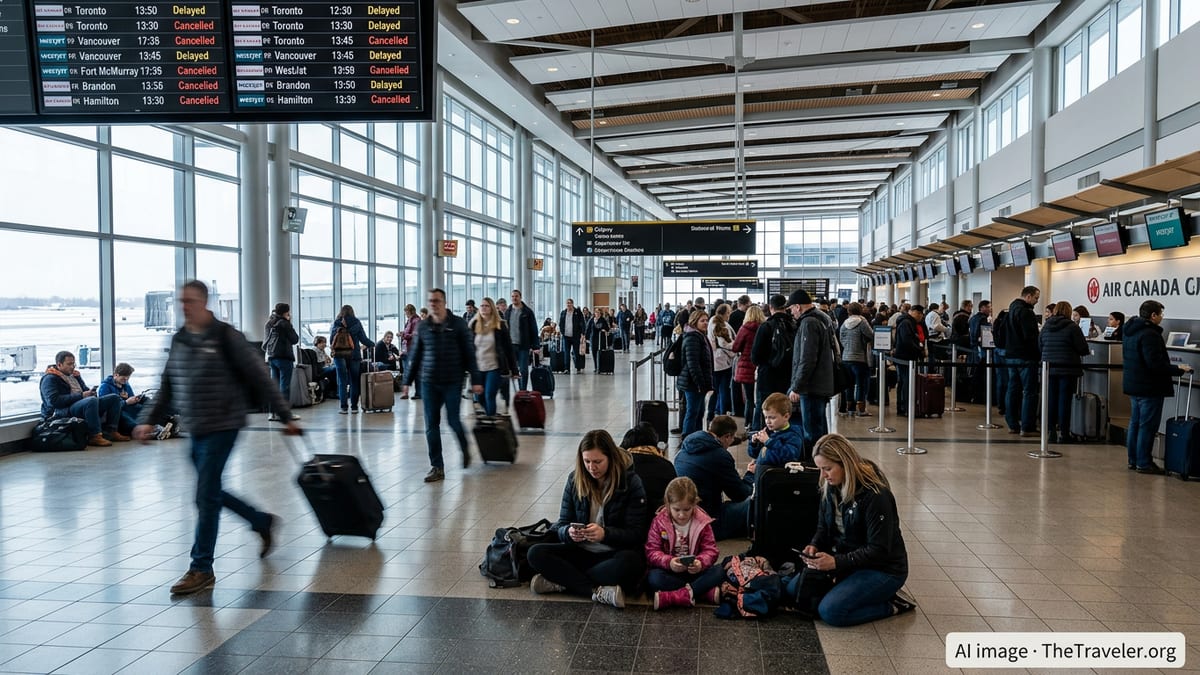
Accounts shared by travelers onboard indicate that the diversion led to an extended interruption to their journeys. After landing in Calgary, passengers reported a prolonged wait on the ground as airport medical teams attended to the captain and the airline arranged onward travel options.
Some travelers described receiving limited information during the initial phase of the diversion, a common challenge in rapidly evolving in-flight situations where crews are primarily focused on flight safety and operational tasks. Later in the journey, more details emerged, and passengers expressed concern for the captain’s wellbeing while also noting the disruption to connections and onward plans in Europe.
Large international diversions can create complex logistical challenges for airlines, particularly late in the day when aircraft and crews are already tightly scheduled. Rebooking several hundred passengers from a long haul service often requires a mix of hotel accommodation, meal vouchers, and placement onto later departures or partner airline flights once the aircraft’s status and crew availability are clarified.
Social media and online forum posts from those onboard reflected both frustration at the resulting delays and an overall recognition that a medical emergency involving a pilot requires prioritizing health and safety over schedule reliability.
Safety Context for United and Long Haul Operations
The Calgary diversion occurred against a backdrop of heightened public attention on major U.S. airlines following a series of widely reported aviation incidents in 2026. Recent coverage has focused on technical issues, runway events, and other operational disruptions, prompting renewed public interest in how carriers manage risk on long haul flights.
In this case, reports indicate that the Boeing 777 remained structurally and mechanically sound throughout the event, with the issue confined to the medical condition of a flight crew member. Aviation safety analysts generally distinguish between aircraft system failures and medical or passenger-related events, although both can prompt emergency landings and media interest.
United operates one of the world’s largest fleets of Boeing 777 aircraft on intercontinental routes linking the United States with Europe, Asia, and the Pacific. The aircraft type is valued by airlines for its range and capacity, and it is routinely dispatched over remote and oceanic routes where diversion planning is a critical part of flight preparation.
Medical diversions, while disruptive and costly, are widely considered evidence of safety systems functioning as intended. When crews decide to divert, they do so to ensure timely medical care and to reduce risk on board, even if the aircraft itself is capable of continuing to its original destination.
Ongoing Review and Next Steps
According to publicly available information, the Calgary event will be documented within standard aviation occurrence reporting systems, which collect data on medical diversions, crew health issues, and other in-flight irregularities. Such reports are used by airlines and regulators to monitor patterns and refine medical fitness assessments, scheduling policies, and training.
Any subsequent internal review by the airline would typically look at how the crew managed the diversion, the support provided to passengers on the ground, and the communication timeline from the initial onset of the incident through to the final resolution of travel arrangements. Lessons learned from these episodes often feed into updated guidance for flight and ground staff.
For travelers, the incident serves as a reminder of the extensive contingency planning that underpins modern long haul aviation. Even in the rare event that a pilot becomes incapacitated far from the nearest major hub, procedures, equipment, and training are designed to ensure that another qualified pilot can safely complete the flight to an alternate airport.
As of the latest publicly available reports, no detailed medical updates on the affected captain have been released, and the focus among passengers recounting the event remains on both concern for the crew member and the unusual overnight disruption that turned a routine San Francisco to Paris journey into an unexpected stopover in western Canada.