

More news on this day
Global tensions and supply bottlenecks are tightening jet fuel markets just as peak summer travel approaches, raising questions about whether fuel shortages could disrupt long‑awaited holiday flights.
Get the latest news straight to your inbox!
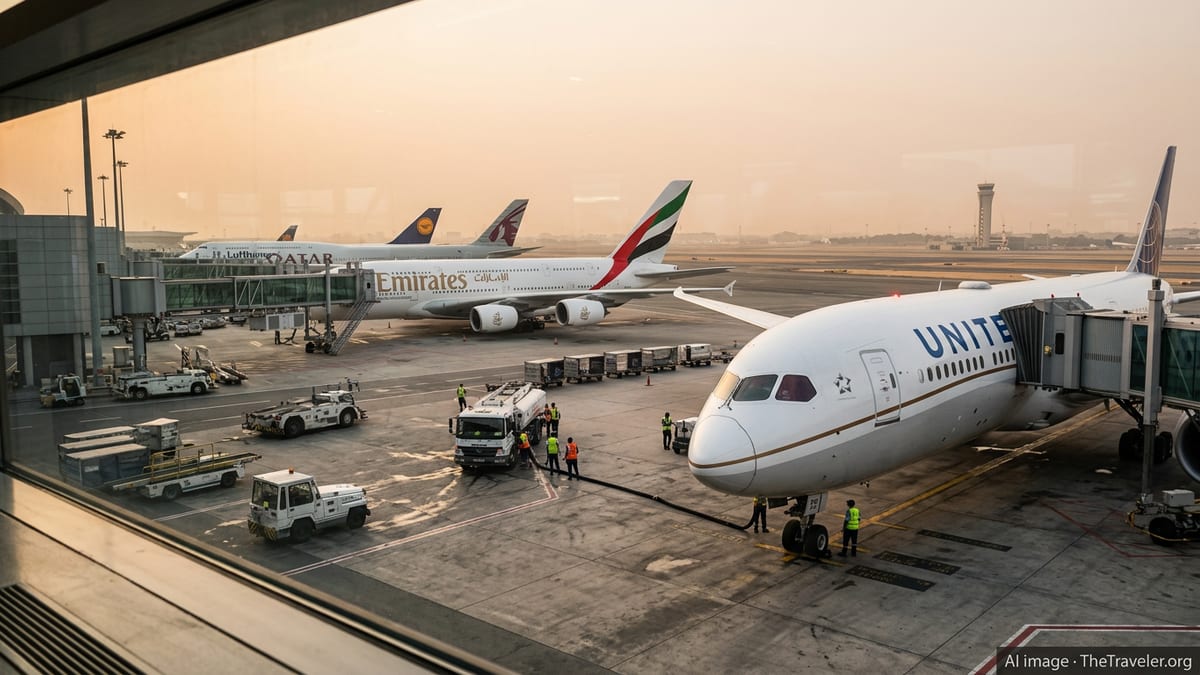
Why Jet Fuel Is Under Pressure This Summer
Jet fuel is refined from crude oil, and the current crunch is closely linked to broader energy market turmoil. Recent conflicts affecting exports from the Persian Gulf and disruptions to shipping through key chokepoints have reduced the flow of crude and refined products worldwide. Industry analyses indicate that refineries in several regions are producing less jet fuel or paying more for the kerosene they need, which is feeding through to airlines in the form of higher costs and tighter supply.
Publicly available energy data shows that overall jet fuel inventories in major markets such as North America remain relatively comfortable in aggregate, but the cushion has thinned compared with typical pre‑pandemic years. Some tracking services report that U.S. jet fuel stocks are equivalent to only a few weeks of normal demand, while European and Asian storage has fallen toward levels that analysts describe as critical during peak travel periods.
The result is an unusual combination of record or near‑record demand for air travel and a fuel system operating with much less slack. Industry outlooks from aviation groups highlight jet fuel as one of the largest and most volatile components of airline costs for 2024 and 2025, noting that even modest shifts in supply can translate quickly into higher fares or trimmed schedules.
In Europe, regulators have moved to expand the range of fuels that can be used in commercial aviation, including authorizing certain U.S. Jet A products alongside the traditional Jet A‑1. According to published coverage, this change is aimed at diversifying supply as the key summer season nears, although it also introduces operational adjustments for airlines, such as managing different freezing points and handling rules.
Where Shortages Are Already Being Felt
While there is no uniform, global jet fuel shortage, regional problems have been mounting. Reports from Asia describe particularly sharp constraints in countries such as Vietnam and Myanmar, where airlines have reduced schedules because reliable fuel deliveries could not be guaranteed. Some foreign carriers serving those markets have added intermediate refueling stops outside the affected countries, lengthening flight times and increasing complexity.
In parts of Europe, aviation and energy analysts warn that major hubs are watching stock levels closely. Industry commentary cited in European media has suggested that, without additional supply, certain airports could see tight rationing during the busiest weeks of July and August. Steps such as tapping strategic reserves, adjusting pipeline flows and drawing more on U.S. exports are being considered to reduce that risk.
Canada has also seen localized effects. Regional news coverage describes clusters of flight cancellations and schedule reductions at smaller airports, with high fuel costs and supply uncertainty among the factors behind airlines’ decisions. Even where physical shortages are not confirmed, the prospect of paying sharply higher spot prices for jet fuel has led some carriers to scale back marginal routes.
The situation is different in the United States, where national jet fuel inventories remain higher than in some other regions. However, domestic airlines are tightly interconnected with global networks. Aircraft that operate long‑haul routes into fuel‑constrained regions may need to modify routings, tank more fuel at U.S. gateways or accept payload limits, and those ripple effects can still be felt by U.S. passengers.
How Airlines Are Responding Behind the Scenes
Airlines have several tools to manage jet fuel volatility, and many of those are now in active use. Public financial disclosures and industry reports show carriers increasing their use of fuel price hedging, adjusting capacity on fuel‑intensive routes and prioritizing newer, more efficient aircraft where possible. Some airlines are trimming frequencies on less profitable services or swapping to smaller jets in order to preserve fuel for core routes.
Network planners are also revisiting routings to avoid areas where fuel prices have spiked or supply is uncertain. In some cases, that means adding extra stops for refueling or shifting connections to airports with stronger logistics and storage. These changes can slightly lengthen journey times or reduce schedule flexibility, especially on long‑haul trips connecting North America, Europe and Asia.
Several major carriers have indicated through public statements and investor briefings that they expect fuel to remain a significant cost headwind this year. Industry associations forecast that fuel will account for a larger share of airline operating expenses compared with the years just before the pandemic, with sustainable aviation fuel mandates in some regions adding further cost pressure even as they help decarbonize the sector.
For travelers, one of the most visible impacts may be on ticket prices rather than outright cancellations. Analysts note that when fuel costs rise persistently, airlines tend to try to recover the difference through higher base fares and surcharges, especially on routes where demand is strong and competition is limited.
What This Means for Your Summer Holiday Plans
For most travelers in North America and Western Europe, summer holidays are still expected to go ahead, but with a narrower margin for disruption. Aviation forecasts for 2026 anticipate passenger numbers that are at or above 2019 levels on many leisure routes, meaning that flights are heavily booked well in advance. If fuel supply tightens suddenly at a particular airport, airlines will have fewer empty seats on alternative departures to accommodate affected passengers.
Industry guidance suggests that the greatest vulnerability is likely on longer, fuel‑intensive routes and in regions already reporting constraints. Travelers heading to or transiting through certain parts of Asia or smaller secondary airports may face a higher chance of schedule changes as airlines juggle aircraft, crews and fuel availability. Short‑haul routes between major hubs with strong fuel infrastructure are likely to be more resilient.
Travel insurers and consumer advocates point out that, from a passenger’s perspective, the cause of a disruption matters less than the practical response. Policies and airline contracts of carriage typically treat fuel‑related schedule changes in the same way as other operational disruptions, with rebooking options and, in some cases, refunds. However, compensation rules vary widely by country and carrier, and some disruptions may fall into gray areas that are not clearly covered.
Even if your own flight operates as planned, jet fuel costs can shape the broader travel environment. Higher operating expenses may nudge airlines to cut peripheral routes to smaller vacation destinations, reduce late‑night or early‑morning frequencies, or pull back from experimental seasonal services that would otherwise provide extra options during the peak months.
Practical Steps Travelers Can Take Now
Given the fluid situation, travelers have more influence than they might think in reducing the risk of fuel‑related disruption. Booking early is one of the most widely recommended strategies in current travel advice, as it secures a seat on core, high‑demand flights that airlines are least likely to cut. Nonstop services through large hubs with established fuel infrastructure may be preferable to complex itineraries with tight connections at smaller airports.
Flexible planning is also valuable. Choosing tickets that allow changes for a modest fee, or using fare classes and travel dates that can be adjusted without heavy penalties, can make it easier to adapt if schedules shift. Monitoring airline apps and notifications in the days leading up to departure is essential this summer, since many carriers now push real‑time updates on aircraft changes, delays and fuel‑related rerouting.
Travel experts recommend building extra time into itineraries that involve cruises, tours or events with fixed start dates. Arriving at your destination a day early reduces exposure to any cascading delays from fuel constraints or other operational issues. Where possible, selecting flights earlier in the day can offer more same‑day rebooking options if something goes wrong.
Finally, travelers may wish to review both airline and insurance policies closely, paying particular attention to how schedule changes are treated and what evidence is required to file a claim. As jet fuel markets remain tight and global aviation operates at near full capacity, understanding these details can make the difference between a stressful disruption and a manageable change of plans.