


More news on this day
Delta Air Lines is alerting customers to continued disruption across its network this summer, as a mix of high demand, weather constraints, schedule cuts and operational pressures fuels another season of elevated flight cancellations and last-minute changes.
Get the latest news straight to your inbox!
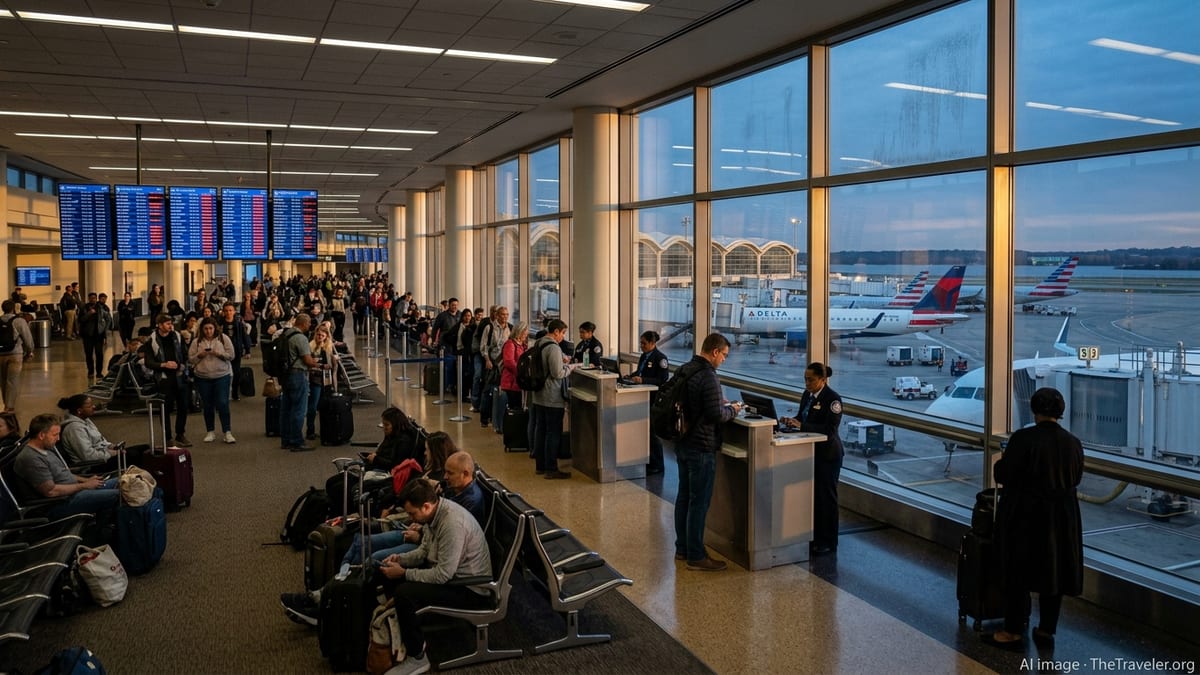
Operational strains persist into peak 2026 summer season
Publicly available schedule data and recent advisories indicate that Delta is heading into the heart of the 2026 summer season with a stressed operation and thinner margins for recovery when problems arise. Industry schedule trackers show that the airline has already pared back parts of its Northern summer 2026 program, including the removal of more than a dozen domestic and Mexico routes compared with previous filings, an adjustment that analysts view as an effort to rein in an overstretched network while demand remains strong.
At the same time, Delta is promoting what it describes as its largest transatlantic schedule yet, with hundreds of weekly flights to nearly 30 European destinations through late October 2026. The combination of record long haul flying and targeted reductions on shorter routes suggests a network strategy that prioritizes high revenue international services, while accepting a smaller domestic footprint and less redundancy when irregular operations strike.
These pressures are emerging against a backdrop of recent disruption. Aviation data shared in consumer forums during May and June highlighted multiple days when Delta approached or exceeded 200 cancellations systemwide, often without major nationwide weather events. Customers posting their experiences described repeated last minute equipment changes, crew availability issues and rolling delays that rippled across several hubs.
Travelers have also reported clusters of cancellations at key airports such as New York and Atlanta on days of localized thunderstorms, where high load factors and tight schedules left limited options for reaccommodation. With summer demand remaining elevated and aircraft operating near full utilization, each localized disruption can quickly cascade across the broader network.
Weather, heat and congestion compound New York area risks
Delta is signaling particular concern around the New York market, where a mix of summer thunderstorms, extreme heat and airspace congestion has already prompted multiple travel waivers. A July bulletin to travel agents cited high temperatures and operational constraints at New York LaGuardia, warning that flights to, from or through the airport could be affected and outlining flexible rebooking and refund policies when Delta cancels a flight and no suitable alternative is available.
Alongside the LaGuardia bulletin, Delta’s public advisory pages continue to be updated with weather alerts for the broader New York City region, reminding customers to check flight status frequently and consider using one time notifications through the airline’s app or email. These advisories typically allow affected travelers to move their trips to dates before or after the worst of the forecast weather without change fees, provided they meet specific ticketing conditions and travel windows.
Social media and passenger forums show that customers flying from New York John F. Kennedy International Airport have recently received pre emptive messages warning of potential cancellations on days with forecast storms or poor air quality. In some cases, long haul services such as New York to London have been canceled and reprotected a day later. While that approach can help the operation recover more predictably, it leaves passengers facing missed connections, lost hotel nights and altered vacation plans at the height of the summer rush.
Travel analysts note that New York’s constrained airspace, limited runway capacity and strict slot controls leave carriers with little flexibility when weather or traffic management initiatives reduce arrival and departure rates. As a result, customers flying through the region on summer weekends are being urged to build in longer connection times and consider earlier departures where possible.
Schedule cuts and targeted suspensions reshape the network
Beyond day of operations, Delta has been reshaping its longer term summer plan in ways that will be felt by travelers across North America and on select international routes. Schedule comparison data published by specialist aviation outlets shows that the carrier has removed at least 13 domestic and Mexico routes from its Northern summer 2026 schedule since initial filings, reducing nonstop options from certain secondary cities and leisure markets.
Delta has also extended a pause on service to Tel Aviv from New York JFK and Atlanta through early September 2026 and delayed the launch of planned Boston flights, citing security and operational considerations. Affected flights are being systematically canceled, with customers notified through the Fly Delta app and the contact details in their bookings as the changes are processed. Travelers on these routes are being offered rebooking options or refunds, depending on their itineraries and preferences.
In addition, Delta’s intercontinental filings show a series of adjustments in frequencies and aircraft types on routes to Europe, Latin America and Asia for the April to October summer window. Some routes are receiving more capacity as part of the airline’s effort to build on strong transatlantic demand, while others see modest reductions intended to free up crews and aircraft. Industry observers interpret these moves as an attempt to balance revenue opportunities with the need for greater operational resilience after several disruptive summers.
For customers, the net effect is a network that may look robust on headline routes but offers fewer backup flights in the event of cancellations. With fewer daily frequencies on some city pairs, a single aircraft or crew issue can leave travelers with limited same day alternatives, especially on peak Fridays, Sundays and holiday periods.
Policy updates and traveler rights when flights are canceled
As cancellations persist, Delta has updated key sections of its contract of carriage for U.S. customers, clarifying how it handles significantly changed or canceled flights. The latest version, revised in early July 2026, states that when a flight is canceled, moved to depart more than three hours earlier, arrives more than three hours later, or causes a missed connection, Delta will, in specific circumstances, cancel the remaining ticket and refund the unused portion and certain ancillary fees in the original form of payment if the customer does not accept alternative arrangements.
Consumer advocates point out that this language aligns more closely with evolving regulatory expectations and public scrutiny around airline disruptions. Federal transportation agencies have been pressing carriers to make refund rights clearer and more automatic when flights are significantly changed or canceled for reasons within the airline’s control. Delta also continues to publish travel waivers tied to weather events and other disruptions, allowing many customers to change their plans without incurring standard change fees when conditions meet the waiver criteria.
Travel experts advise passengers to familiarize themselves with these rules before departure. In practice, customers affected by cancellations are often offered automated rebooking options via the app or website first, with the ability to request a refund if new flights offered are unsuitable or if no reasonable alternative is available. Because summer flights are heavily booked, travelers may find that reaccommodation pushes their trips back by a day or more, especially on routes with limited daily service.
Passengers are also being encouraged to keep contact information in their reservations up to date, enable push notifications in the airline app, and monitor flight status closely in the 24 hours leading up to departure. These steps can shorten reaction time if a flight is canceled, allowing customers to secure scarce seats on alternative services or adjust hotel and ground transport bookings more quickly.
How travelers can prepare for another volatile summer
With Delta’s own communications and external reporting pointing to an unsettled summer ahead, frequent travelers are focusing on practical strategies to reduce risk. One commonly suggested approach is to book the earliest feasible departure of the day, when aircraft and crews are often in place and weather disruption has not yet compounded across the network. Earlier flights can offer more same day recovery options if a cancellation occurs.
Another recommendation is to allow longer connection windows, particularly when transiting busy hubs such as Atlanta, New York, Detroit or Minneapolis during afternoon and evening peaks. While tight connections may look convenient, they leave little margin for delay if inbound flights are held for weather or if ground congestion slows turns on the ramp. Building in an extra hour between flights can make the difference between arriving the same day or facing an overnight stay.
Some travelers are also revisiting whether to check bags on short leisure trips, given that irregular operations increase the risk of mishandled luggage. Carry on only travel, where feasible within size limits, can make it easier to switch to alternative flights or routings at short notice. For longer international journeys where checked baggage is unavoidable, tagging valuables and packing a change of clothes in a cabin bag can help soften the impact of delays.
As the 2026 peak season continues, Delta customers are being urged to assume that cancellations and significant schedule changes remain a possibility throughout the summer. By monitoring advisories, understanding their rights and building flexibility into their plans, travelers can better navigate a period in which the airline industry is still working to restore the reliability many passengers once took for granted.