


More news on this day
The United States has renewed and sharpened its travel warnings for Americans in the Middle East, advising increased caution and, in some countries, urging people to leave while commercial routes remain available as regional tensions and the risk of wider conflict continue to grow.
Get the latest news straight to your inbox!
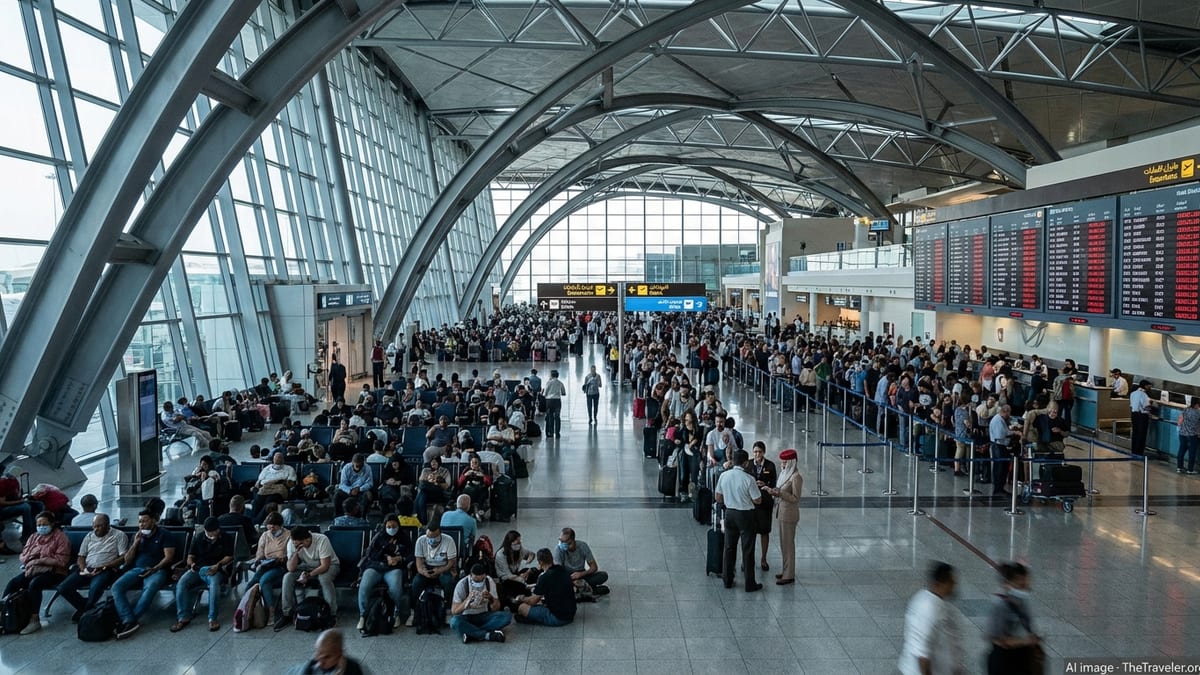
Heightened Alerts Follow Months of Escalating Risk
The latest security messaging builds on a Worldwide Caution first circulated in March 2026, which urged Americans abroad, and particularly those in the Middle East, to exercise increased vigilance. Subsequent communications and advisory updates have continued that theme, reflecting what publicly available information describes as a complex and fast-moving security environment.
Public travel-advisory information shows that the United States has maintained elevated warning levels across much of the region. A series of notices in late winter and spring referenced the onset of hostilities involving Iran and the possibility of retaliatory attacks on American interests, describing a risk landscape that spans terrorism, missile and drone strikes, civil unrest and disruptions to air and maritime travel.
In early June, a security alert focusing specifically on the Middle East reiterated that Americans in the region should exercise increased caution and closely monitor local and international news. That message underscored that existing country-specific advisories for many Gulf and Levant states remained at Level 3, meaning travelers are urged to reconsider travel, while several conflict-affected countries remained at the highest warning level.
According to publicly available commentary by members of Congress and independent policy analysts, the renewed alerts are part of a broader push to encourage Americans to reassess nonessential trips and, for those already in higher-risk locations, to think through contingency plans should the security situation deteriorate further.
Country Advisories Raised Across the Gulf and Levant
Recent updates to individual country advisories illustrate how the regional outlook has shifted. Notices for Bahrain, Israel and the West Bank, Jordan, Kuwait, Oman, Qatar, Saudi Arabia and the United Arab Emirates emphasize that travelers should reconsider nonessential visits due to the potential for attacks on U.S. and partner facilities, as well as broader instability tied to the confrontation with Iran.
In several Gulf states, including Saudi Arabia and the United Arab Emirates, the United States has ordered the departure of nonemergency government personnel and their family members in recent months. Publicly available advisory text cites the threat of armed conflict, missile and drone activity, and the possibility of rapid escalation that could affect airports, energy infrastructure and urban centers.
Some of the starkest warnings apply to countries already facing protracted conflict or political breakdown. Iran, Iraq, Lebanon, Syria, Gaza and Yemen remain under Level 4 advisories, indicating that Americans are urged not to travel at all. The available guidance highlights a combination of terrorism, kidnapping, armed clashes and the limited capacity of consular staff to assist in an emergency, particularly where U.S. personnel have been drawn down.
For destinations that remain open to tourism but are geographically close to active conflict zones, such as parts of the Gulf, the advisories stress that attacks could occur with little or no warning and might target locations frequented by foreigners, including hotels, shopping centers and transportation hubs.
Air and Sea Routes Under Pressure
The renewed U.S. warnings also draw attention to risks beyond immediate physical security, including the reliability of air and sea links in and out of the region. Security alerts and aviation notices describe periodic airspace closures, flight diversions and reduced schedules affecting key hubs that many Americans rely on for transit.
Airlines operating to and from Israel and some Gulf and Levant capitals have already adjusted routes and timetables in response to missile and drone activity as well as military operations. Publicly available summaries of these changes indicate that further disruptions are possible if tensions escalate or if additional airspace restrictions are introduced with little advance notice.
Maritime advisories for the Red Sea, Persian Gulf, Strait of Hormuz and Gulf of Oman, issued by U.S. maritime authorities in coordination with international partners, point to ongoing threats to commercial shipping from state and nonstate actors. Those notices reference concerns about vessel attacks, boarding incidents and electronic interference affecting navigation systems, all of which could have knock-on effects for cruise itineraries and regional ferry services used by some travelers.
The combination of potential flight cancellations and maritime disruptions has led travel-risk analysts to advise that Americans in the Middle East build additional flexibility into their plans, including extra time for connections and a clear understanding of overland alternatives should primary routes be suspended.
What the Updated Guidance Means for Travelers
For U.S. travelers, the practical impact of the renewed Middle East warnings is uneven and highly dependent on destination. Some popular transit and business hubs remain accessible, but with a strong recommendation to reconsider nonessential trips and to be prepared for sudden changes in local security posture. Other locations are flagged as unsuitable for tourism altogether under current conditions.
Public guidance encourages Americans who nonetheless proceed with travel to review their itineraries carefully, enroll in government notification programs where available, and maintain updated contact details so they can receive security alerts if the situation evolves. Travelers are also urged to keep copies of key documents, confirm that their insurance covers political and security-related disruptions, and identify more than one route out of the country they are visiting.
Travel industry observers note that tour operators, airlines and cruise lines are revisiting their own risk assessments for the region in light of the stepped-up U.S. messaging. Some have quietly adjusted schedules, rerouted vessels away from higher-risk waters or paused itineraries that would bring passengers close to conflict zones, while keeping other core routes open to meet continued demand.
For Americans considering new bookings to Middle Eastern destinations, the reissued warnings are likely to factor into decision-making about timing, routing and trip purpose. Analysts tracking reservation data suggest that leisure demand is softening for destinations perceived as closer to potential flashpoints, while corporate and essential travel continues but with enhanced security planning.
Balancing Caution With Long-Term Regional Links
While the tone of the latest advisories is more urgent than it was before the most recent round of tensions, public information from U.S. and allied sources also underscores that the warnings are not blanket prohibitions on all travel throughout the region. Instead, they are framed as risk-based guidance intended to help citizens make informed decisions in an environment where threats and restrictions can shift quickly.
Analysts of the Middle East point out that the region remains a critical hub for global aviation, energy production, trade and religious tourism. Even as security alerts intensify, many governments continue to facilitate essential movement for business, diplomacy, logistics and humanitarian work, relying on layered security measures and coordination between local authorities and international carriers.
For now, the reissued U.S. warning serves as a clear signal that Americans with ties to the Middle East should stay informed and be ready to adapt plans. With commercial routes still operating in many places but subject to change, the emphasis of current guidance is on preparation, situational awareness and a realistic appraisal of personal risk tolerance rather than on immediate, universal evacuation.
How the advisory landscape evolves over the coming weeks will depend largely on developments in the confrontation involving Iran and on the wider regional response. Travel-security specialists indicate that any significant escalation or de-escalation would likely be reflected quickly in further updates, making continued attention to official advisories and reputable news coverage essential for anyone traveling to or through the Middle East.