


More news on this day
Dense fog at several major airports over recent days has disrupted flights, left aircraft and crews out of position, and forced travelers into last-minute itinerary changes, highlighting the continuing vulnerability of global air travel to low-visibility conditions.
Get the latest news straight to your inbox!
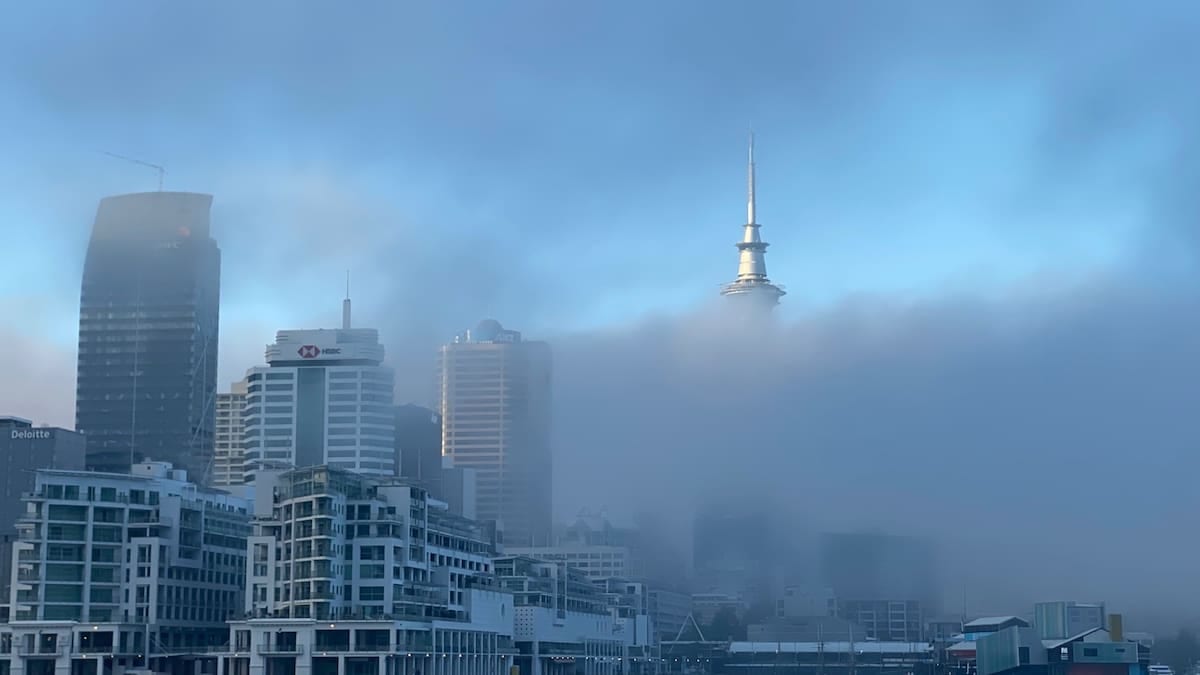
Low visibility slows operations at key international gateways
At Johannesburg’s OR Tambo International Airport, one of Africa’s busiest aviation hubs, morning operations on Monday were significantly affected as a thick blanket of fog reduced visibility on and around the runways. Publicly available information indicates that arrivals and departures were slowed for several hours while traffic management measures were put in place and aircraft waited for conditions to improve.
The operational impact extended beyond simple delays. When visibility drops below defined minima, aircraft must increase spacing on approach and departure, runway occupancy times lengthen, and ground movements become more constrained. The combined effect reduces the number of flights that can safely arrive and depart in any given hour, creating a backlog that can take much of the day to clear.
Reports from Johannesburg indicate that, once the fog began to lift and visibility returned to acceptable levels, airlines faced the secondary challenge of repositioning aircraft and crews. Travelers whose early morning flights were delayed often found downstream connections affected, especially on regional routes that rely on tight schedules and limited spare capacity.
Aviation observers note that these kinds of disruptions are particularly impactful during peak travel periods, when load factors are high and rebooking options are limited. Even a brief low-visibility event can push already busy schedules beyond their limits, leaving passengers with fewer alternatives and longer waits.
Unusual summer fog disrupts holiday traffic in Mallorca
Dense fog has not been limited to winter-prone locations. In Palma de Mallorca, a popular Mediterranean holiday gateway, a rare bout of summer fog last week caused early-morning delays at the island’s main airport. According to published coverage, limited visibility forced air traffic controllers to slow arrivals and departures, with knock-on delays affecting flights throughout the day.
For leisure travelers heading into or out of Mallorca during the peak July holiday season, the timing was particularly challenging. Early-morning flights are often structured to maximize aircraft utilization, feeding a wave of inbound and outbound services across Europe. When those initial operations are disrupted, subsequent rotations can be pushed back, leading to late arrivals at resort destinations and missed connections on return journeys.
Airport operator communications cited in local media show that, while only a portion of the day’s total flight program was directly affected, morning fog was sufficient to create queues at security checkpoints, longer waits at departure gates, and congested apron areas. Travelers reported extended periods on board aircraft waiting for takeoff slots as the airport worked through the backlog.
Weather specialists point out that advection fog over warm coastal waters is not unknown in summer, but episodes dense enough to impede operations at Mediterranean airports are relatively uncommon. That rarity can make them harder for airlines and passengers to anticipate, compared with more predictable winter fog seasons in northern Europe or along frequently affected Atlantic corridors.
How fog triggers cascading disruption across airline networks
While each fog event is local, the disruption it creates can quickly ripple across regional and global networks. When low visibility forces an airport to reduce arrivals and departures, airlines often resort to a mix of delaying, rerouting, or canceling flights to stay within reduced capacity limits and to preserve safety margins.
Morning fog is especially disruptive because it coincides with the first wave of departures and inbound connections. Aircraft scheduled to operate multiple segments during the day can be held on the ground for hours, eroding the time buffers built into schedules. Once those buffers are exhausted, even modest additional disruptions elsewhere in the network can translate into missed crew duty limits, aircraft out of position, and extended delays for flights that were never directly exposed to poor weather.
In some cases, flights divert rather than hold in extended patterns when destination visibility falls below required minima. Diversions allow aircraft to land safely at alternate airports but leave passengers and baggage in locations not designed to handle them, complicating recovery efforts and straining hotel and ground transport capacity. Airlines must then decide whether to reposition aircraft back to the original destination once conditions improve or to rework schedules around their new locations.
Industry analysis frequently notes that fog-related disruptions also carry financial consequences. Extra fuel burn during holding patterns, crew overtime, passenger care obligations and the opportunity cost of displaced aircraft all add up. As carriers continue to rebuild capacity and manage tight margins, unplanned weather events such as dense fog remain an unwelcome variable.
Technology helps, but fog remains a stubborn constraint
Modern airports and airlines have invested heavily in equipment and procedures designed to mitigate the impact of low visibility. Instrument Landing Systems, advanced runway lighting, surface movement radar, and satellite-based navigation all support operations when visual cues are limited. Many large airports are certified for low-visibility operations that allow landings and takeoffs at visibility levels that would have grounded traffic in earlier decades.
Yet these tools have limits. Each runway configuration has defined minima for visibility and cloud ceiling, and operations must cease or be significantly curtailed when conditions fall below those thresholds. Even when individual aircraft and crews are certified for the lowest visibility categories, ground infrastructure, air traffic control workload, and the need to maintain safe separation often require conservative capacity reductions during dense fog episodes.
Smaller airports, particularly those in coastal or mountainous regions where fog is common, may lack the full suite of low-visibility systems available at major hubs. Travelers heading to such destinations can be more exposed to cancellations or diversions, especially when only one runway is available or when terrain and approach paths leave little room for procedural flexibility.
Ongoing research in areas such as enhanced vision systems, real-time runway condition monitoring and improved fog forecasting may gradually reduce the operational impact of low visibility. For now, however, the events of recent days at airports in Africa and Europe underscore that dense fog remains one of the most stubborn constraints on reliable flight operations.
What travelers can do when fog disrupts their plans
For passengers caught up in fog-related disruptions, options depend heavily on timing, route, and airline policy. Travel experts often recommend booking early-morning departures on the first leg of a journey, but when those flights coincide with fog, the usual reliability advantage can diminish. In such circumstances, flexibility and quick access to information become essential.
Publicly available guidance from airlines and aviation agencies stresses the importance of monitoring flight status across multiple channels, including mobile apps and airport display boards. When delays begin to mount, travelers who rebook early are more likely to secure scarce seats on later services, while those who wait may find options dwindling as aircraft and crews reach their legal operating limits.
Passenger rights vary by jurisdiction and ticket type, particularly when weather is involved. In some regions, travelers may be entitled to assistance such as meals or hotel vouchers during extended delays, while in others compensation is more limited when disruptions are classified as outside an airline’s control. Reading fare rules and local regulations in advance can help set realistic expectations if dense fog or other weather issues affect a trip.
For now, as recent events have shown, fog remains a low-tech challenge in a high-tech industry. Even as airlines refine schedules and invest in better forecasting and navigation tools, episodes of dense, persistent fog will continue to test the resilience of global aviation and the patience of travelers in busy seasons.